Preparing your experience, please wait…


K

Clinical reviews
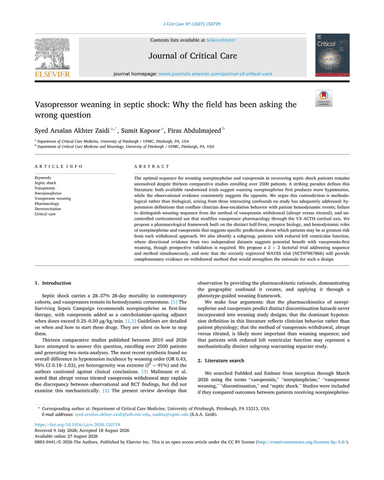
VASOPRESSOR WEANING IN SEPTIC SHOCK: WHY THE FIELD HAS BEEN ASKING THE WRONG QUESTION
Department of Critical Care Medicine, University of Pittsburgh / UPMC
PDF20278 pages1.8 MB
Despite numerous studies involving over 2500 patients, the optimal approach to weaning vasopressors in septic shock remains unclear. The authors argue that the discrepancies in findings are due to methodological issues rather than biological differences. They propose a pharmacological framework that considers the distinct properties of norepinephrine and vasopressin, suggesting that certain patient subgroups may benefit from specific weaning strategies. The article aims to clarify the confusion surrounding vasopressor weaning and provide insights for clinical practice.
No account needed
Ask this resource
Answers from this document onlyMore like this
Resources from the same specialty and type. Curated links will replace these when added.
Clinical Resources
Documents that extend or complement this resource.
Approach to Acute Abdominal Pain: Practical Algorithms
Same clinical topic · Emergency Medicine
PERSONALISED FLUID THERAPY IN SEPTIC SHOCK
Same clinical topic · Emergency Medicine
RIGHT VENTRICULAR - PULMONARY ARTERIAL UNCOUPLING CHARACTERIZES SEVERITY IN ARDS SUBPHENOTYPES A PROSPECTIVE PILOT STUDY
Same clinical topic · Emergency Medicine
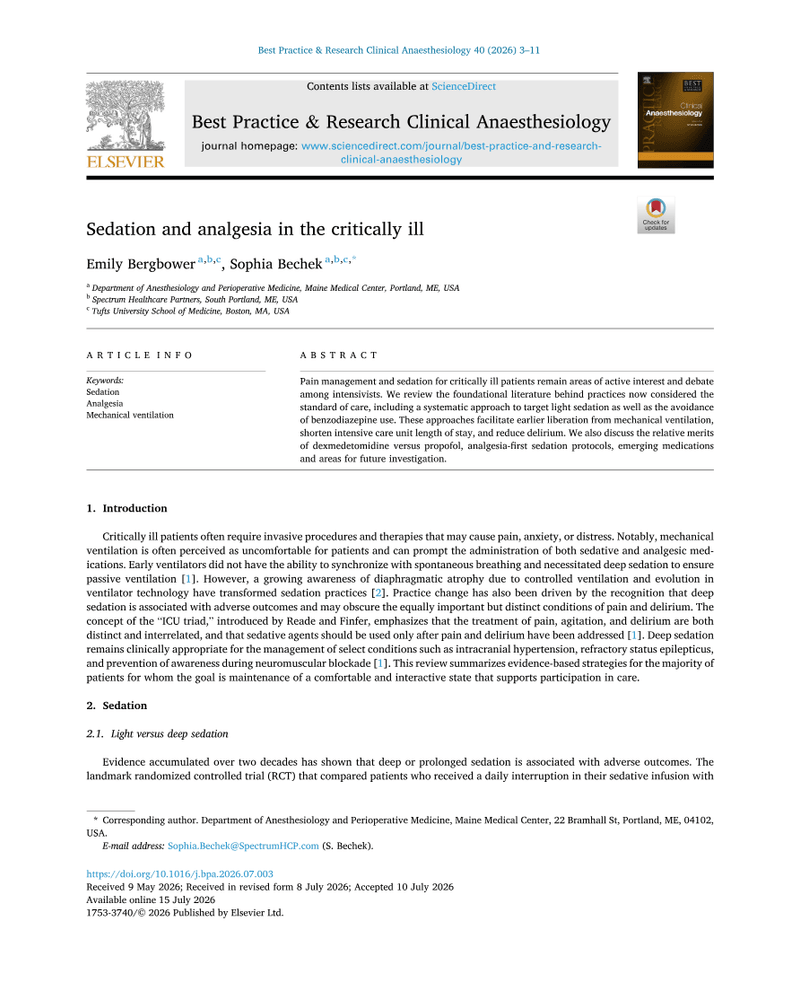
SEDATION AND ANALGESIA IN THE CRITICALLY ILL
Same clinical topic · Emergency Medicine
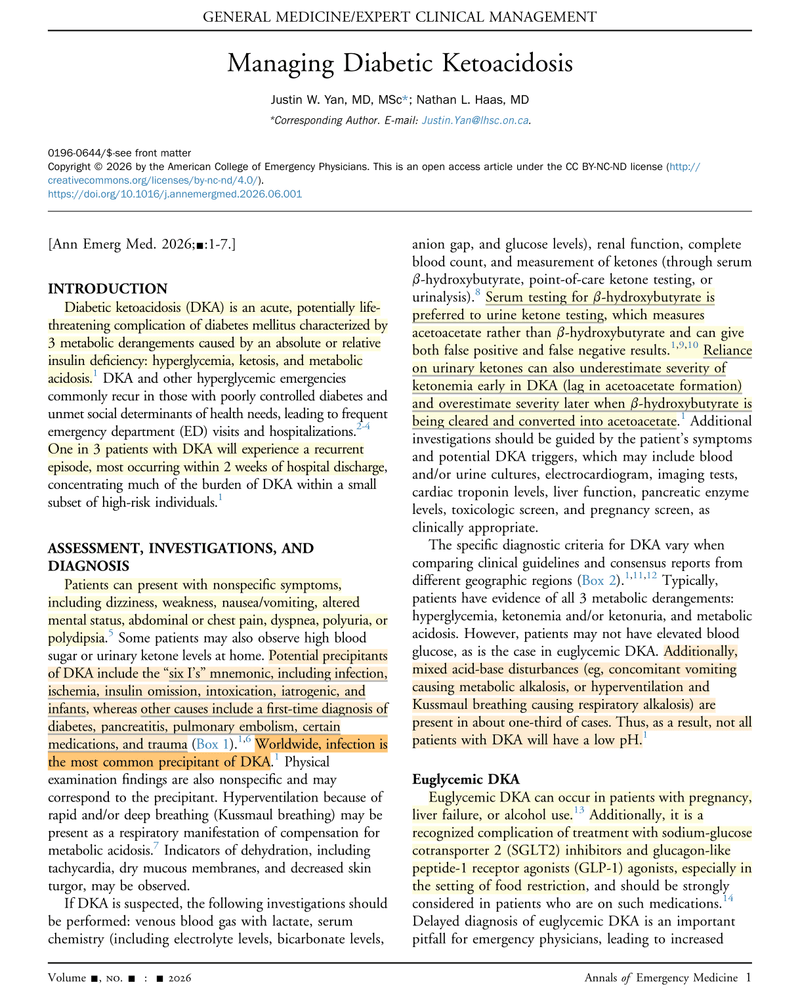
TREATMENT AND MONITORING
Same clinical topic · Emergency Medicine
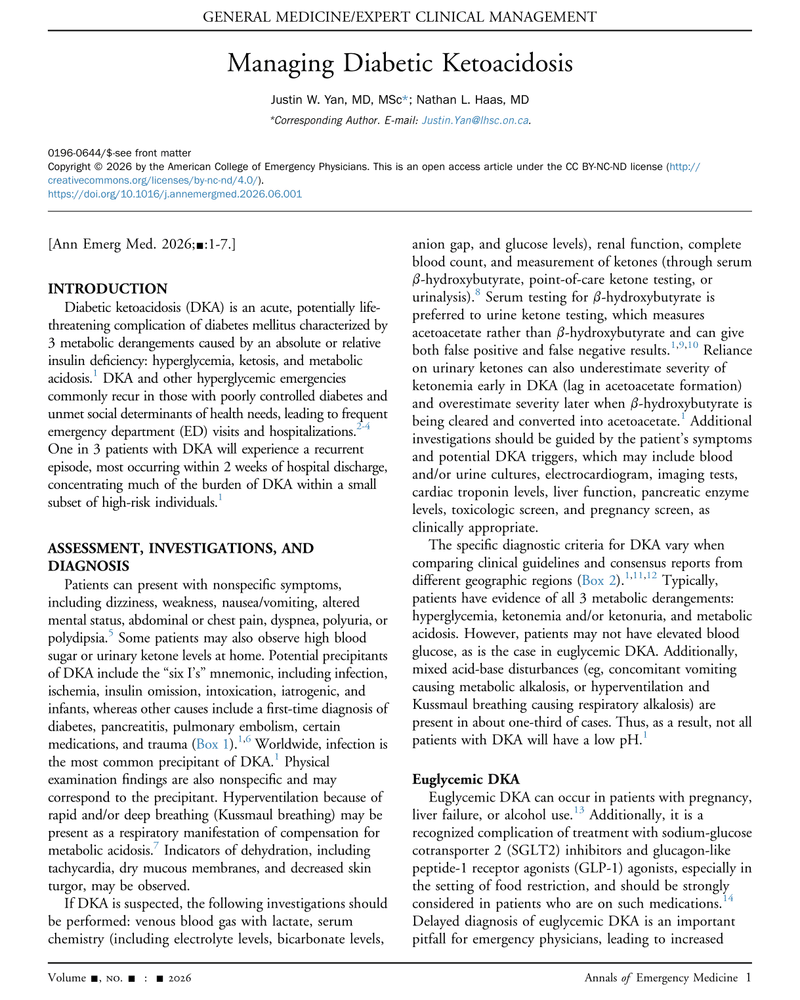
Managing Diabetic Ketoacidosis
Same clinical topic · Emergency Medicine
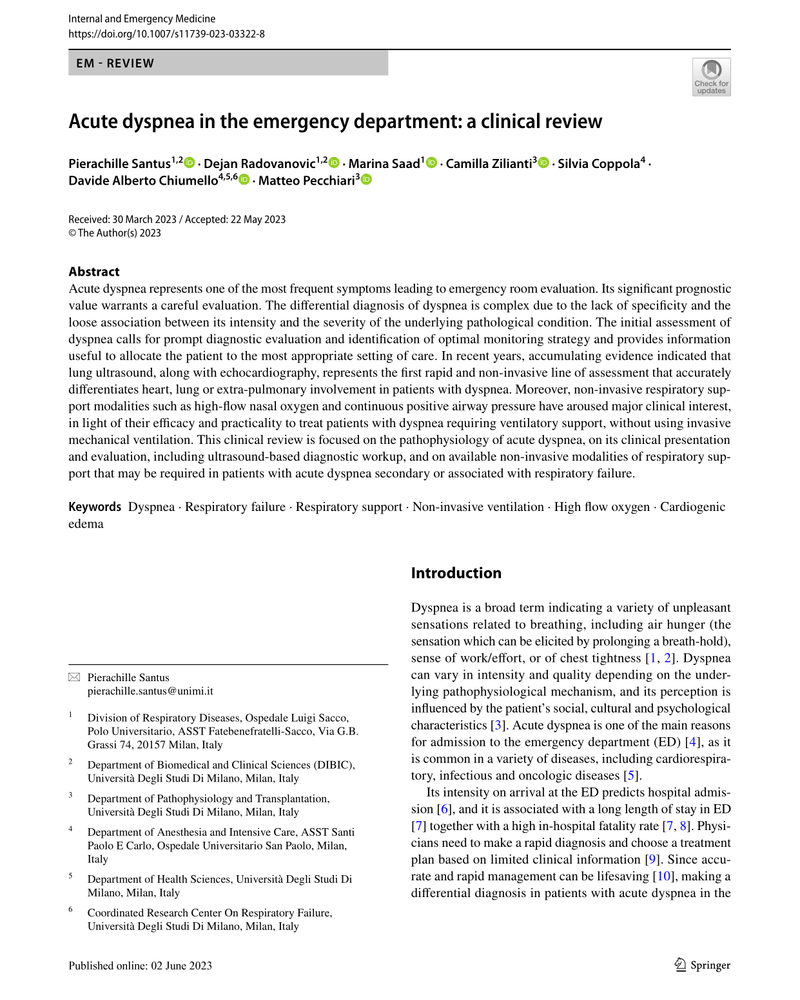
ACUTE DYSPNEA IN THE EMERGENCY DEPARTMENT: A CLINICAL REVIEW
Same clinical topic · Emergency Medicine
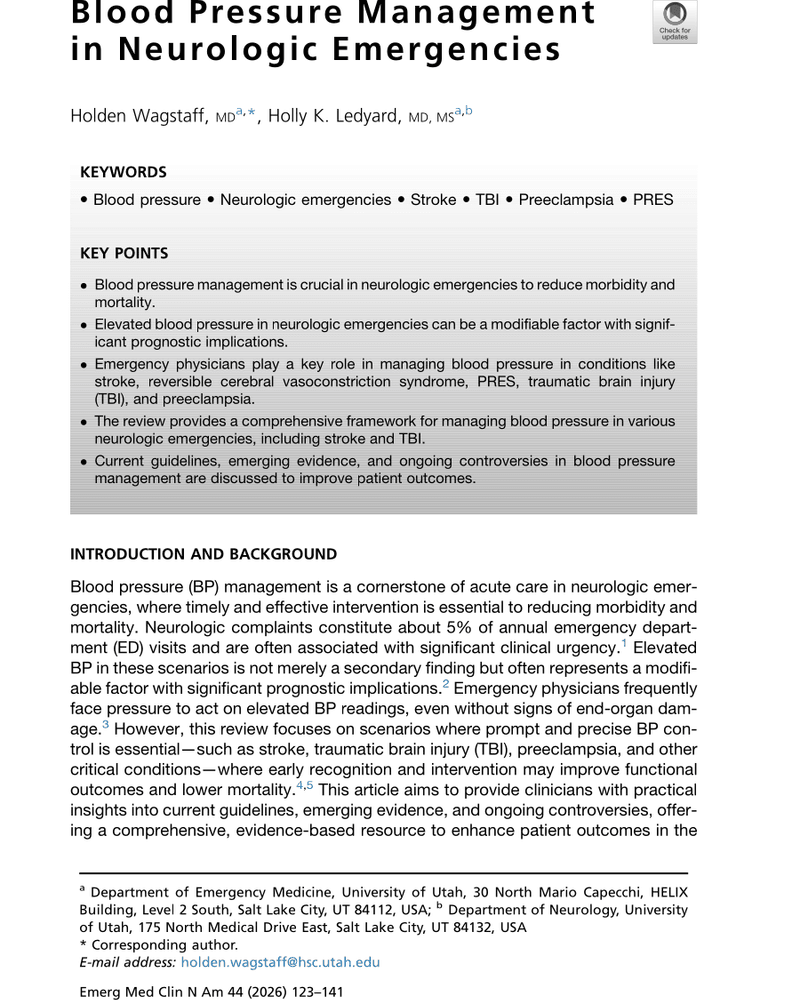
BLOOD PRESSURE MANAGEMENT IN NEUROLOGIC EMERGENCIES
Same clinical topic · Emergency Medicine
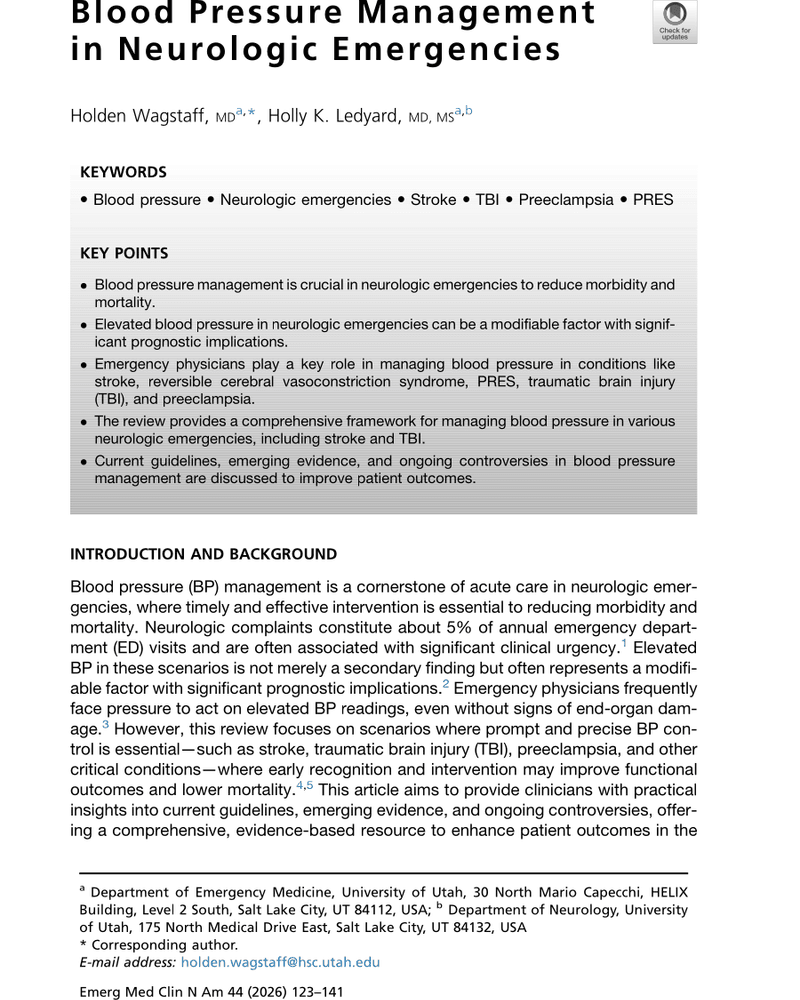
BLOOD PRESSURE MANAGEMENT IN NEUROLOGIC EMERGENCIES
Same clinical topic · Emergency Medicine