Preparing your experience, please wait…


K

Clinical reviews
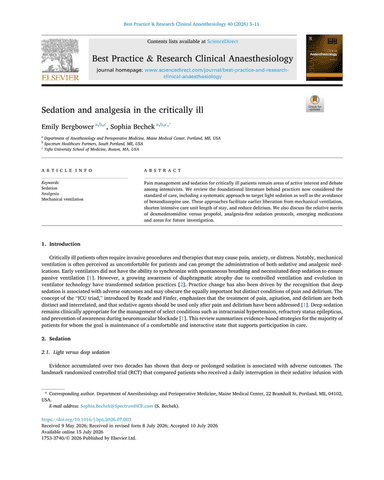
SEDATION AND ANALGESIA IN THE CRITICALLY ILL
Maine Medical Center, Tufts University School of Medicine
PDF20269 pages458 KB
The article provides a comprehensive review of sedation and analgesia practices in critically ill patients, highlighting the evolution of these practices in response to emerging evidence. It discusses the standard of care, including the systematic approach to light sedation and the avoidance of benzodiazepines, which can lead to better patient outcomes such as reduced ICU length of stay and lower rates of delirium. The authors also explore the relative merits of different sedative agents like dexmedetomidine and propofol, as well as emerging medications and future research directions.
No account needed
Ask this resource
Answers from this document onlyMore like this
Resources from the same specialty and type. Curated links will replace these when added.
Clinical Resources
Documents that extend or complement this resource.
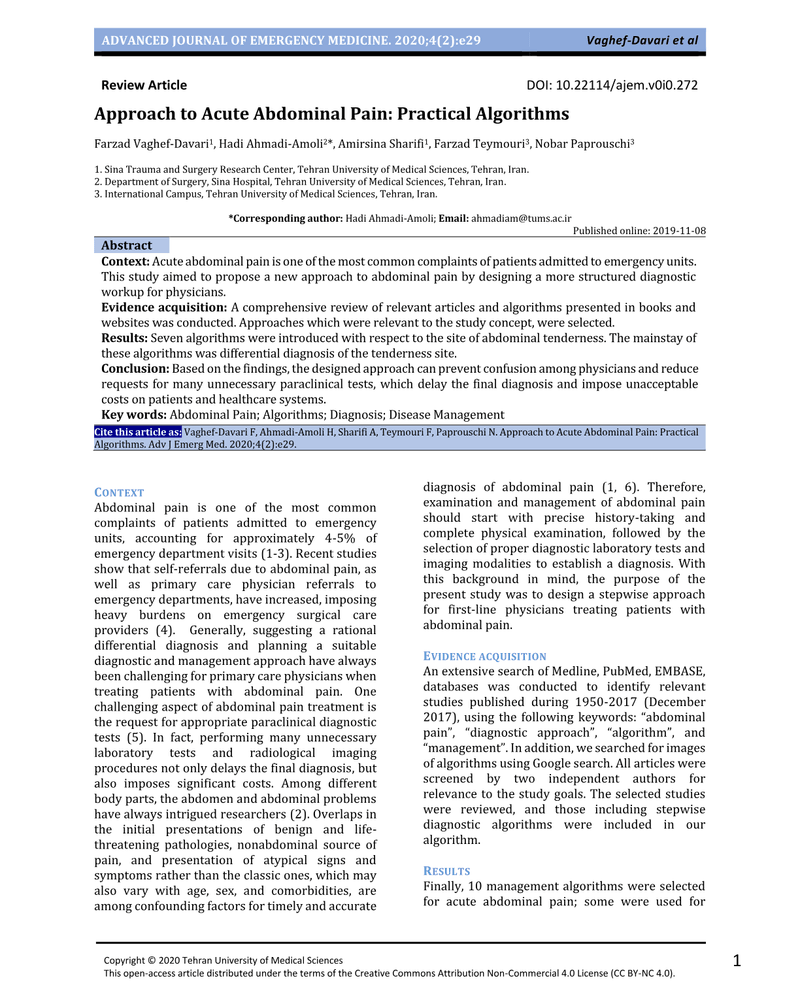
Approach to Acute Abdominal Pain: Practical Algorithms
Same clinical topic · Emergency Medicine
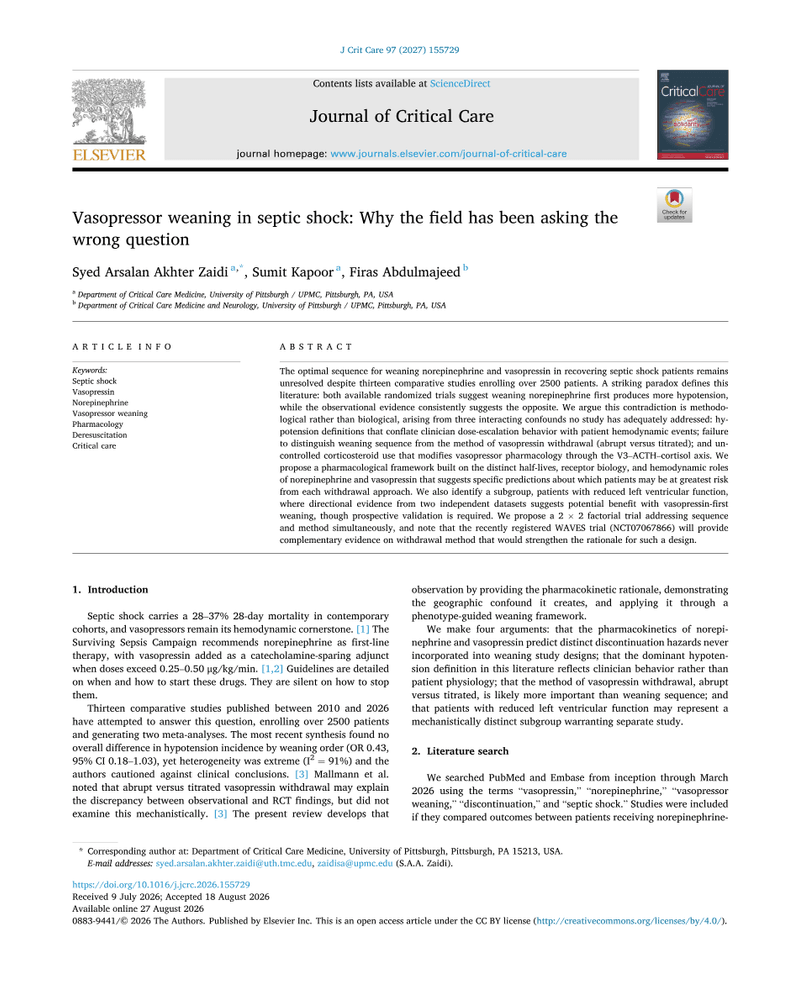
VASOPRESSOR WEANING IN SEPTIC SHOCK: WHY THE FIELD HAS BEEN ASKING THE WRONG QUESTION
Same clinical topic · Emergency Medicine
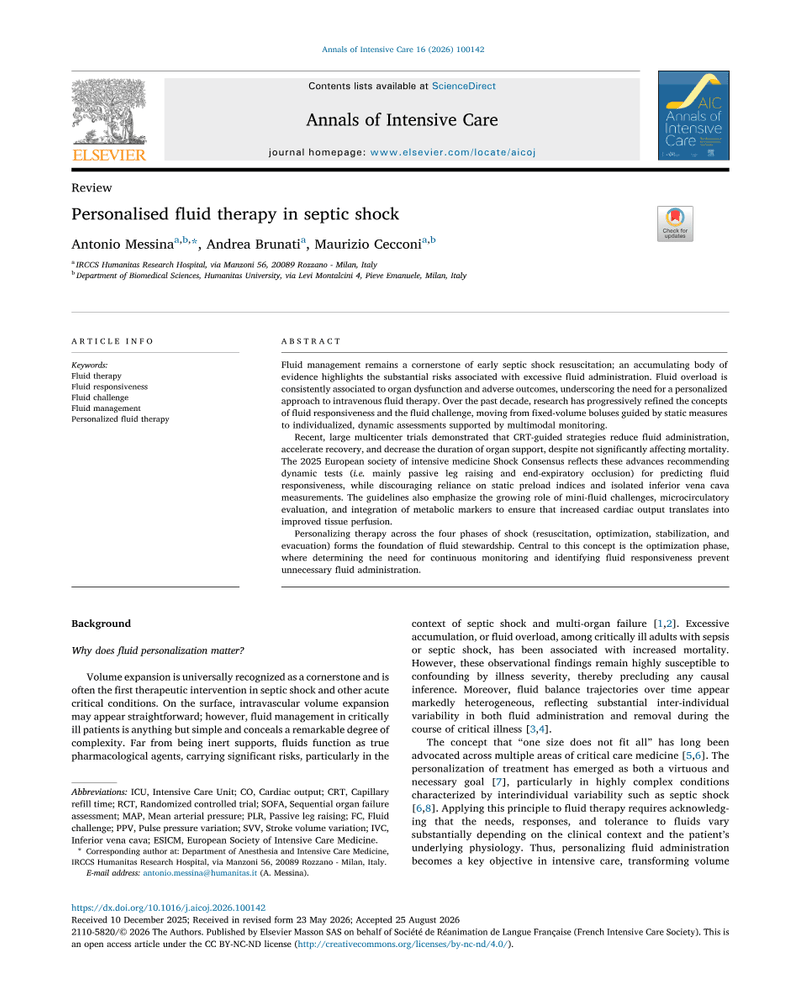
PERSONALISED FLUID THERAPY IN SEPTIC SHOCK
Same clinical topic · Emergency Medicine
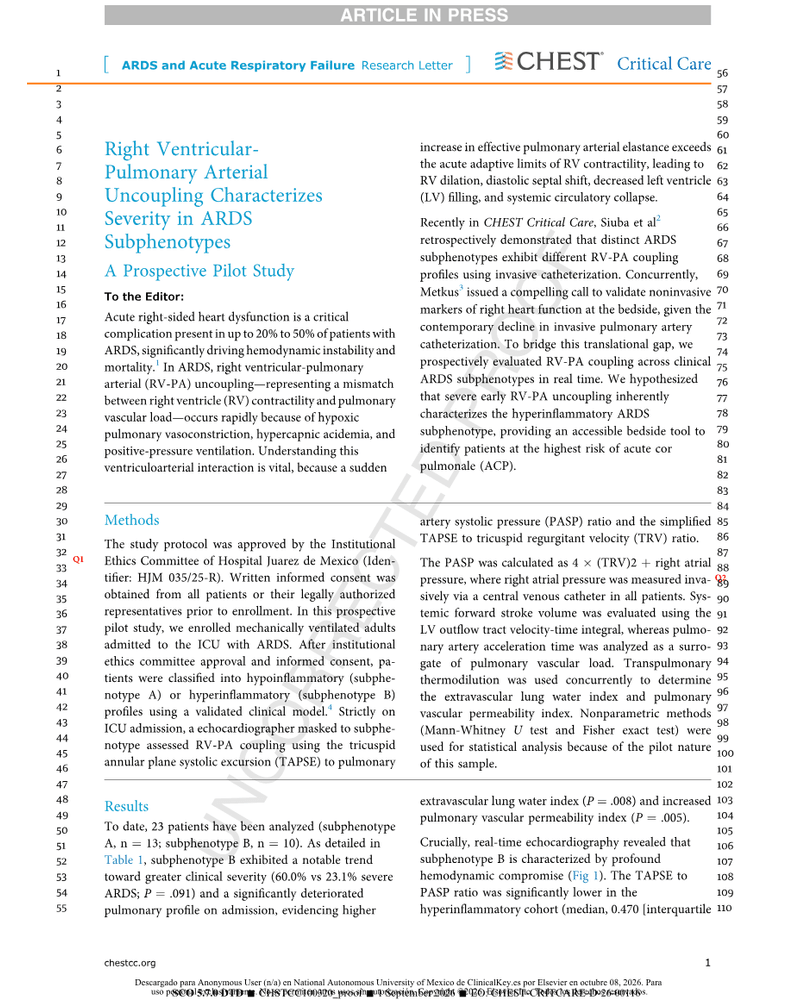
RIGHT VENTRICULAR - PULMONARY ARTERIAL UNCOUPLING CHARACTERIZES SEVERITY IN ARDS SUBPHENOTYPES A PROSPECTIVE PILOT STUDY
Same clinical topic · Emergency Medicine
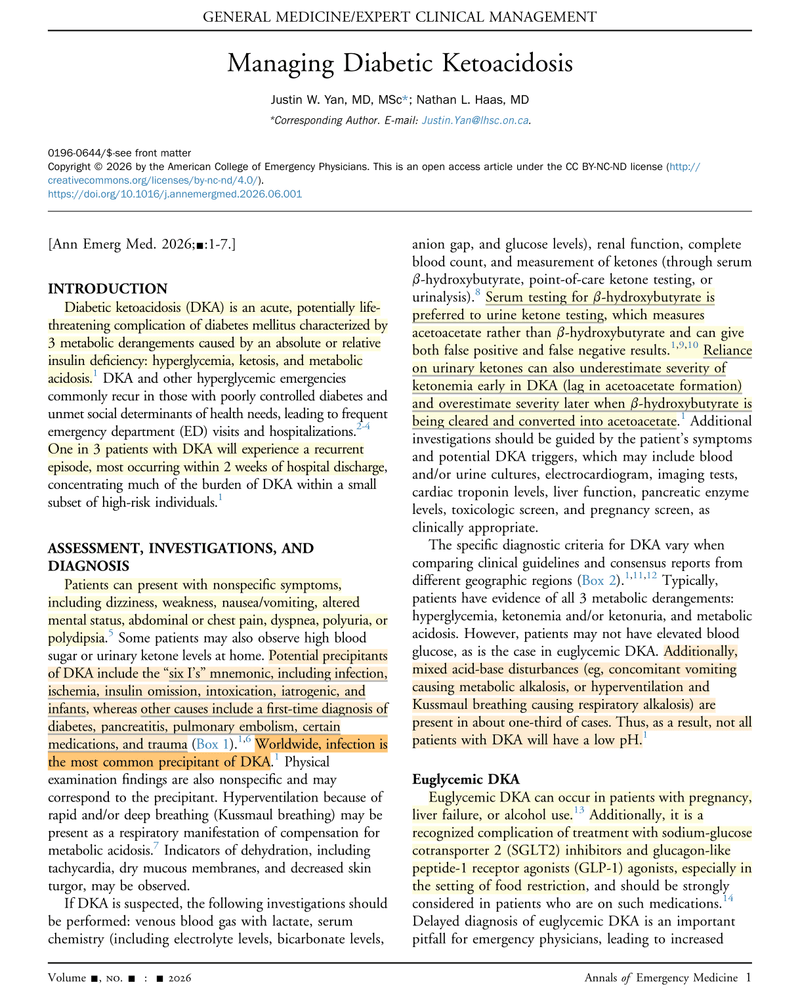
TREATMENT AND MONITORING
Same clinical topic · Emergency Medicine
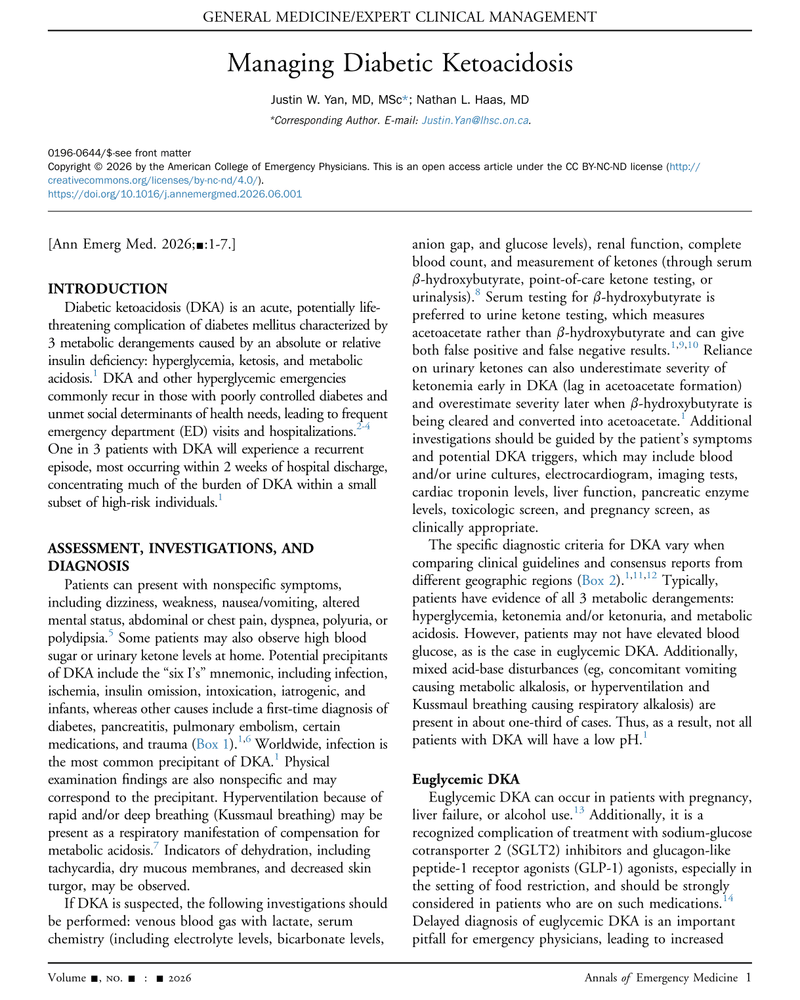
Managing Diabetic Ketoacidosis
Same clinical topic · Emergency Medicine
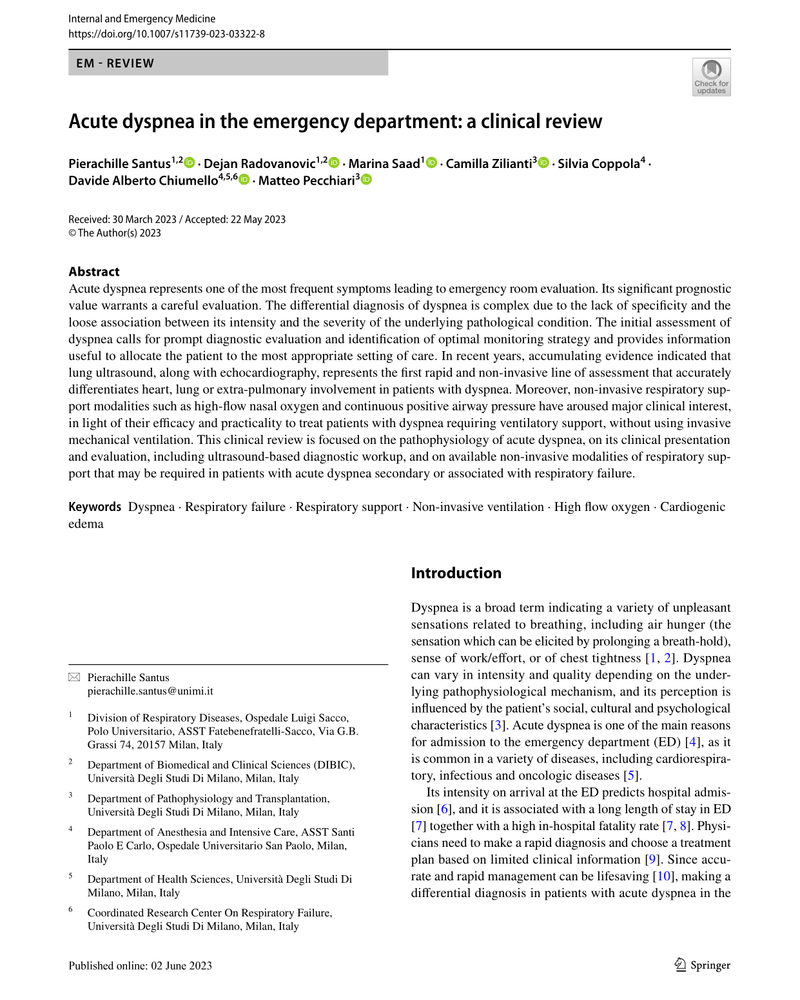
ACUTE DYSPNEA IN THE EMERGENCY DEPARTMENT: A CLINICAL REVIEW
Same clinical topic · Emergency Medicine
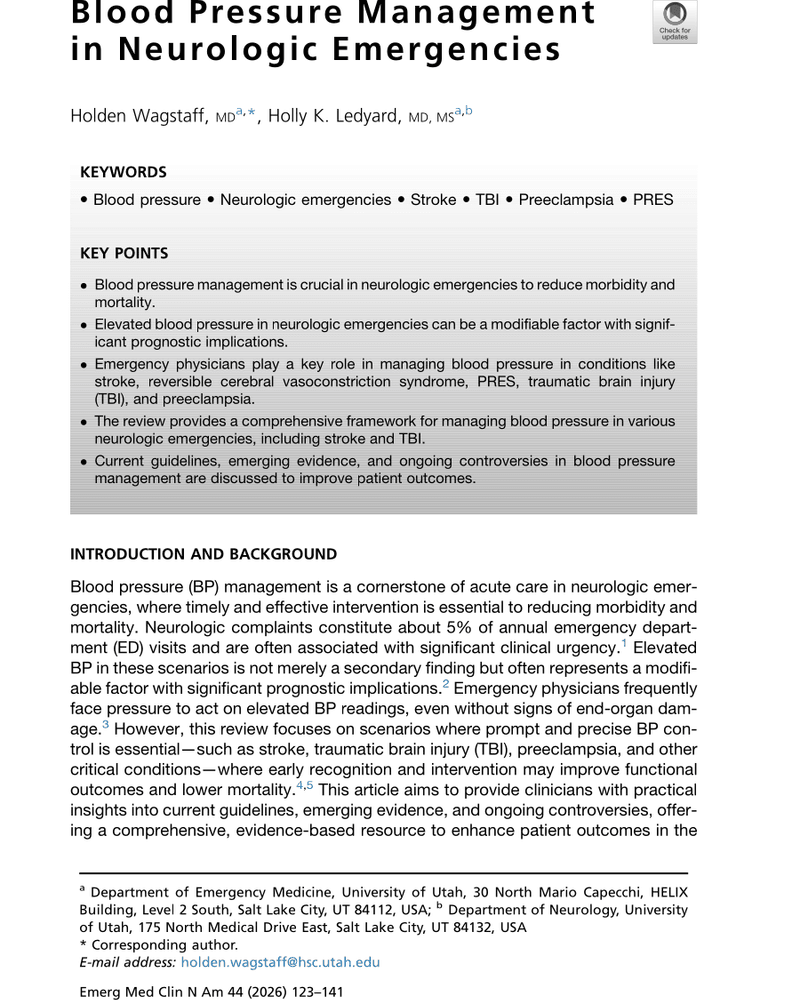
BLOOD PRESSURE MANAGEMENT IN NEUROLOGIC EMERGENCIES
Same clinical topic · Emergency Medicine
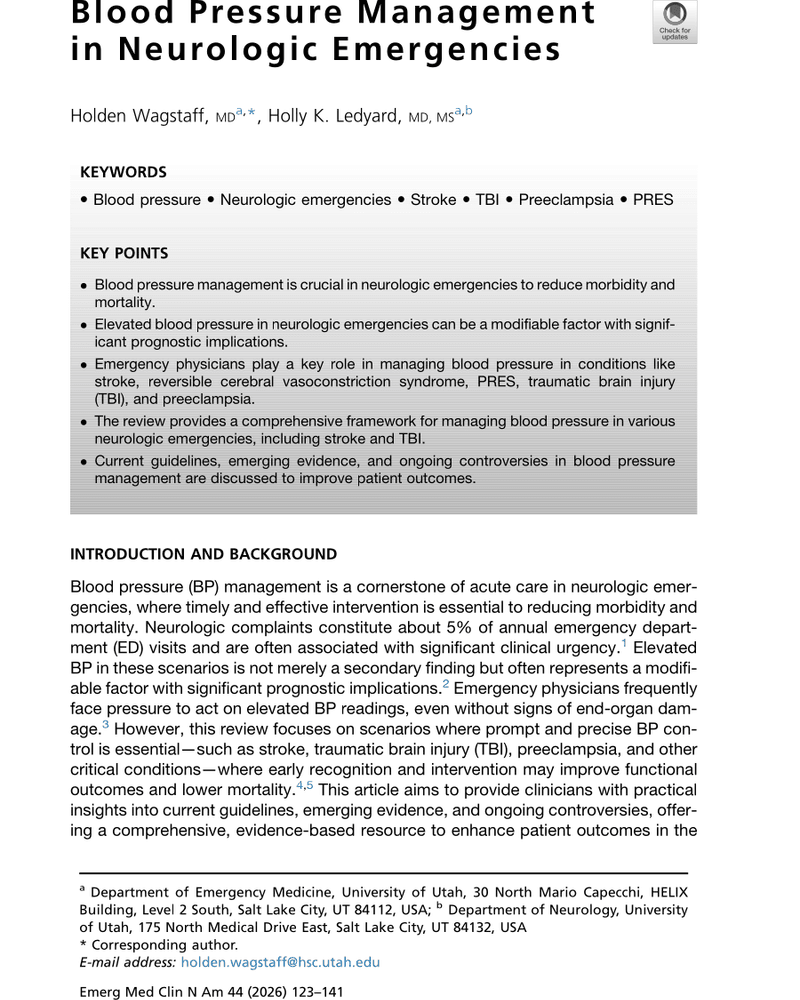
BLOOD PRESSURE MANAGEMENT IN NEUROLOGIC EMERGENCIES
Same clinical topic · Emergency Medicine