Please wait while we open this resource.


K

Clinical reviews
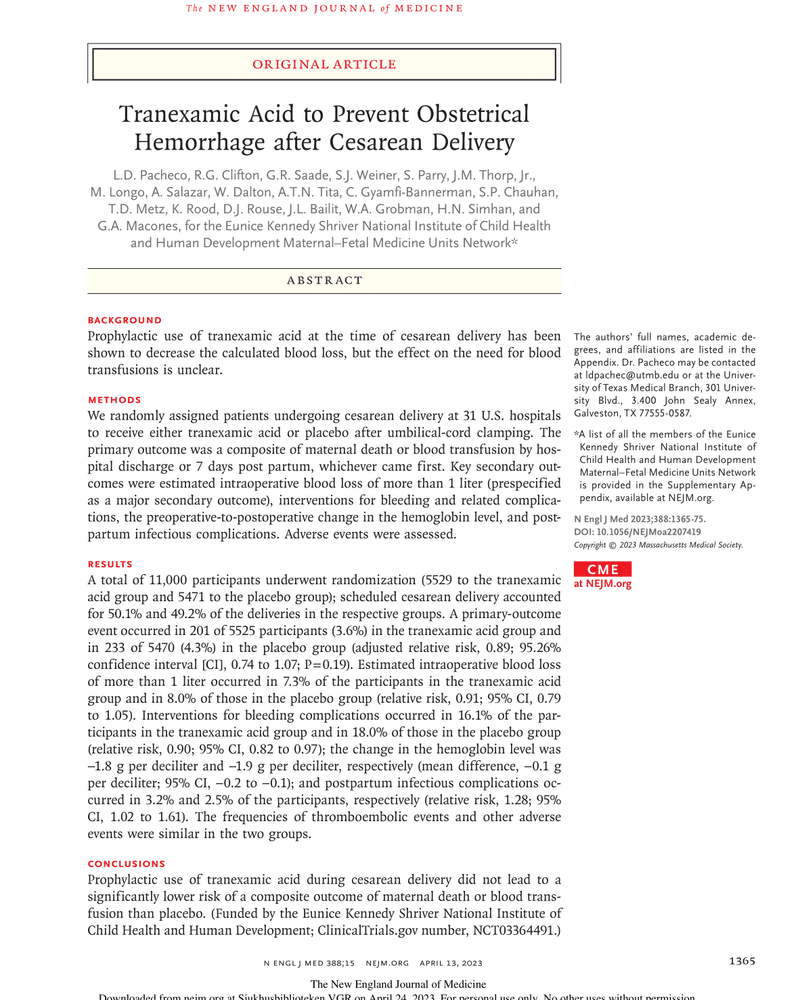
TRANEXAMIC ACID TO PREVENT OBSTETRICAL HEMORRHAGE AFTER CESAREAN DELIVERY
Eunice Kennedy Shriver National Institute of Child Health and Human Development Maternal–Fetal Medicine Units Network
PDF202311 pages500 KB
The study randomly assigned patients undergoing cesarean delivery at 31 U.S. hospitals to receive either tranexamic acid or a placebo after umbilical-cord clamping. The primary outcome measured was a composite of maternal death or blood transfusion by hospital discharge or 7 days postpartum. Secondary outcomes included estimated intraoperative blood loss and complications related to bleeding. The findings suggest that tranexamic acid may reduce blood loss during cesarean deliveries without significant differences in major safety outcomes.
Sign in to open
Ask this resource
Answers use this document only.
Your first question is free.
More like this
Resources from the same specialty and type. Curated links will replace these when added.
Clinical Resources
Documents that extend or complement this resource.
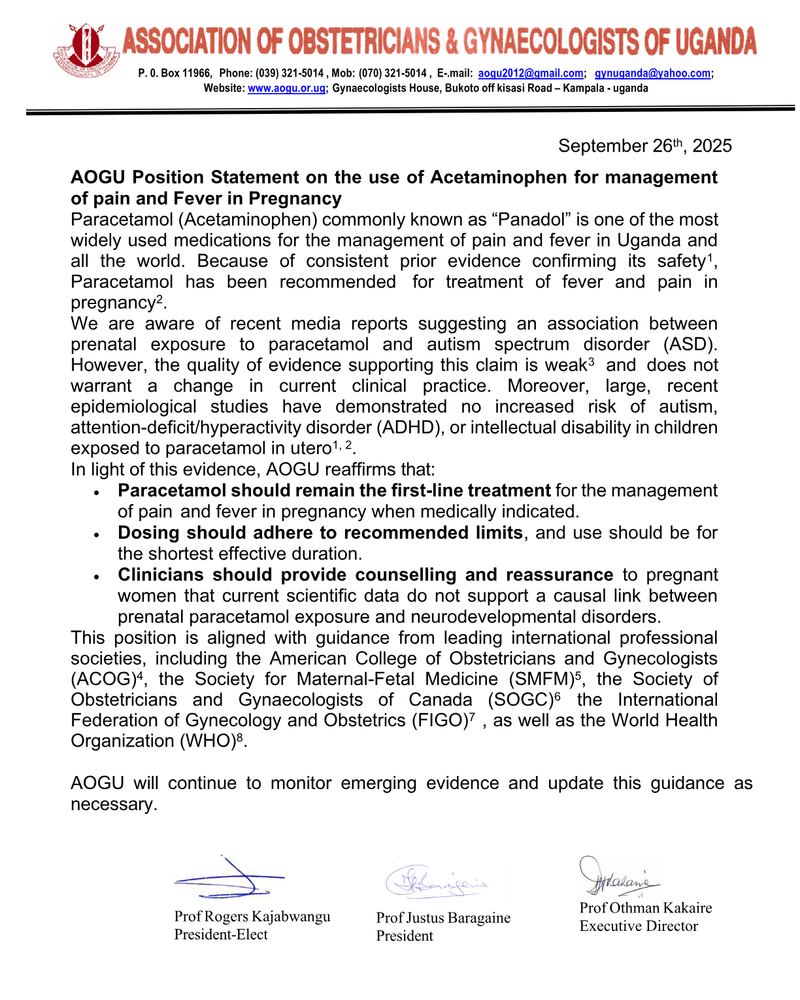
AOGU Position Statement on Acetaminophen Use in Pregnancy
Same clinical topic · Obstetrics and Gynecology
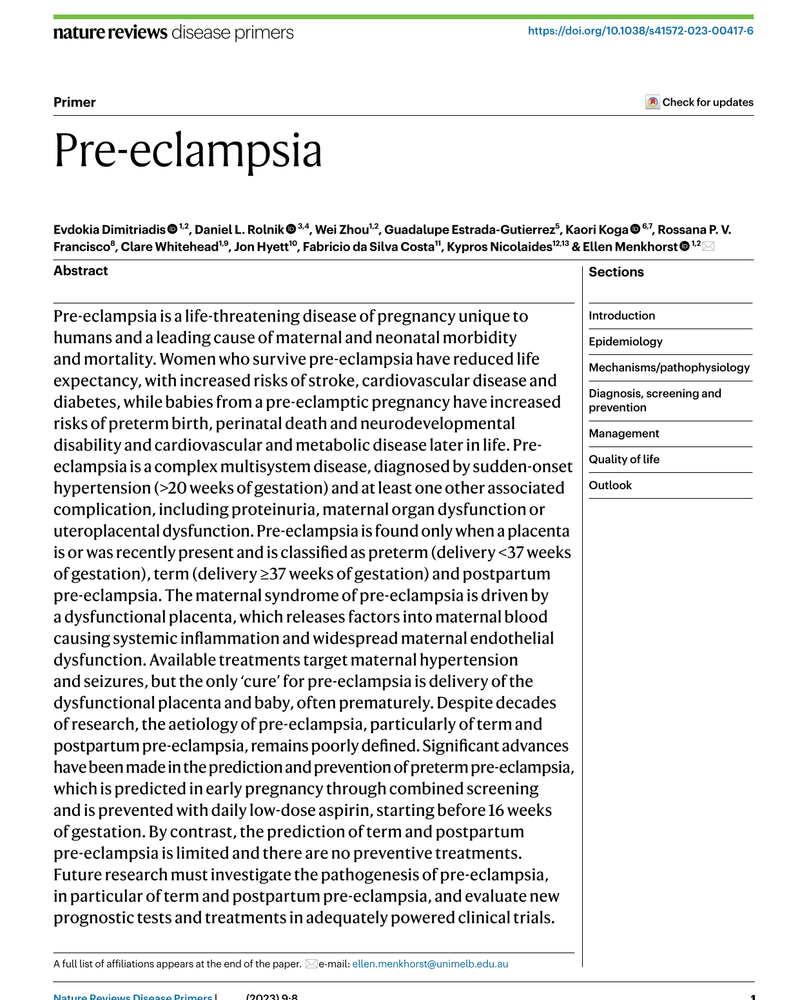
PRE-ECLAMPSIA
Same clinical topic · Obstetrics and Gynecology
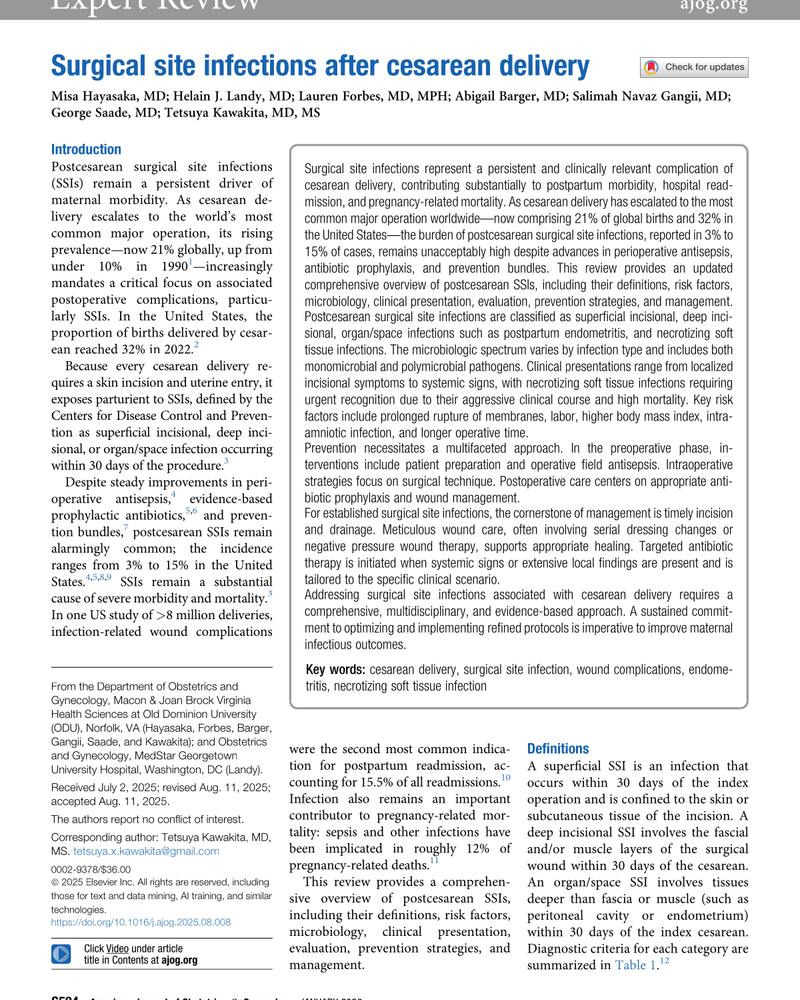
SURGICAL SITE INFECTIONS AFTER CESAREAN DELIVERY
Same clinical topic · Obstetrics and Gynecology
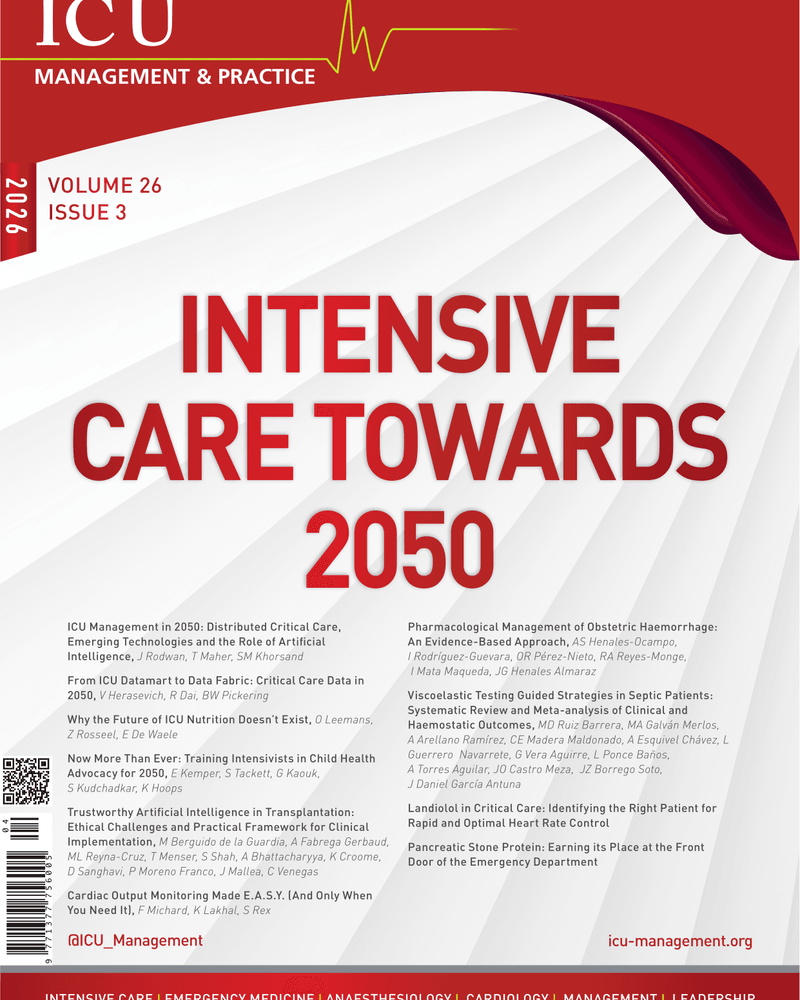
PHARMACOLOGICAL MANAGEMENT OF OBSTETRIC HAEMORRHAGE: AN EVIDENCE-BASED APPROACH
Same clinical topic · Obstetrics and Gynecology
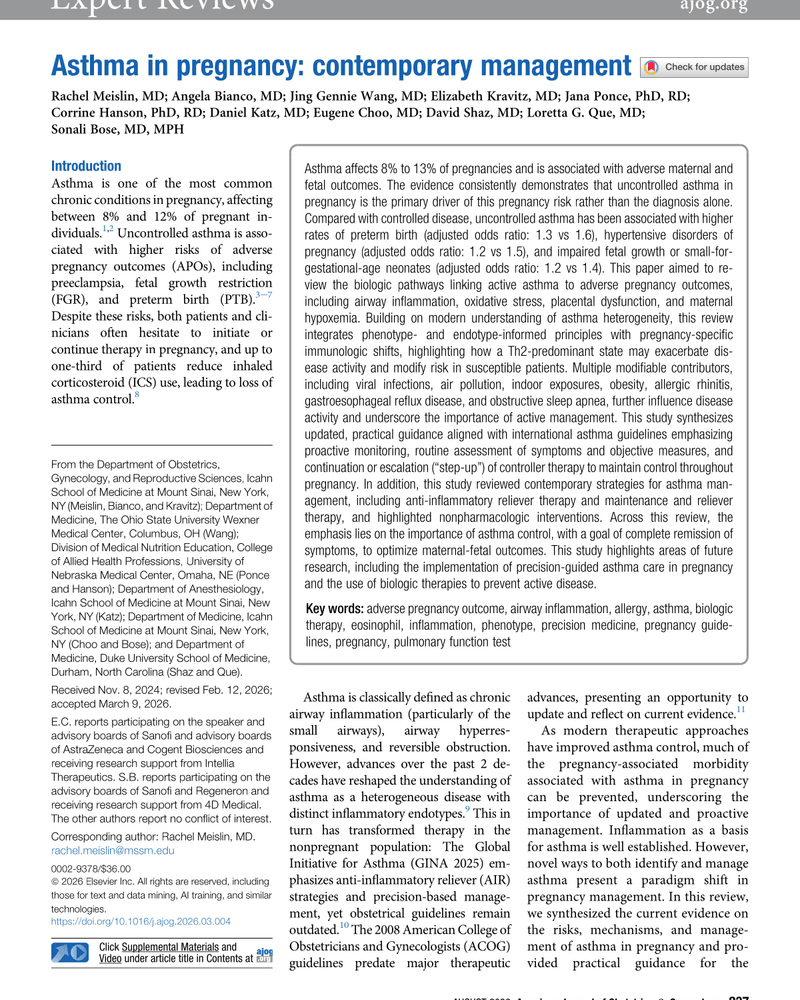
ASTHMA IN PREGNANCY: CONTEMPORARY MANAGEMENT
Same clinical topic · Obstetrics and Gynecology
MANAGEMENT OF POSTPARTUM HYPERTENSIVE DISORDERS OF PREGNANCY
Same clinical topic · Obstetrics and Gynecology
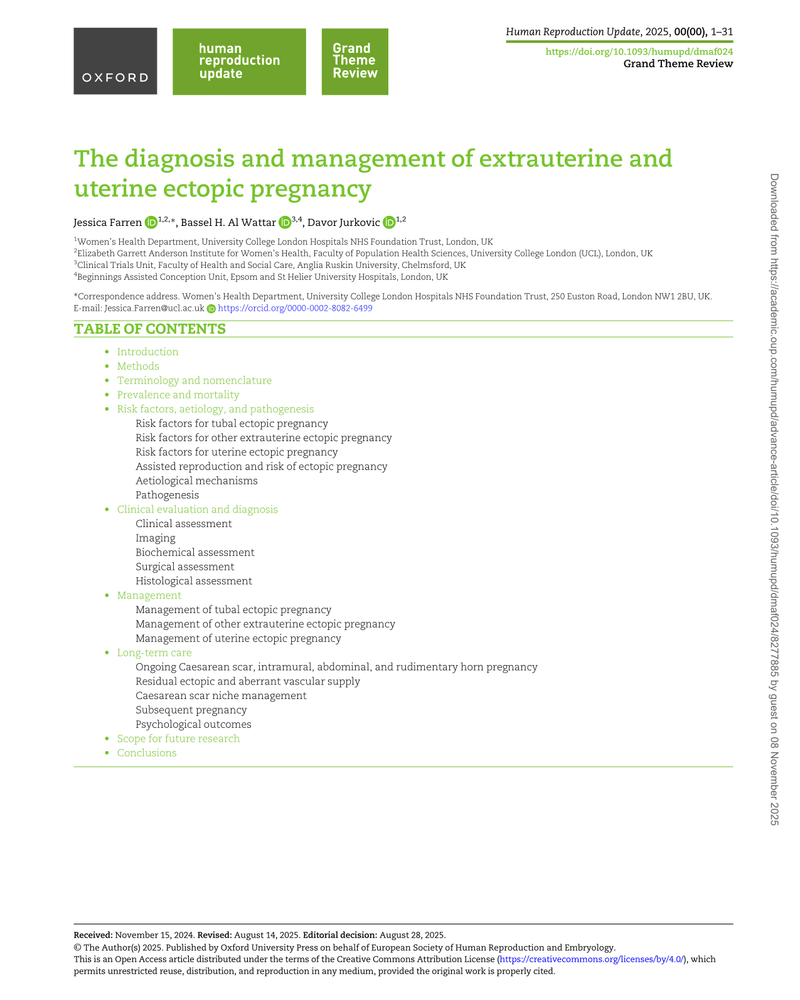
THE DIAGNOSIS AND MANAGEMENT OF EXTRAUTERINE AND UTERINE ECTOPIC PREGNANCY
Same clinical topic · Obstetrics and Gynecology
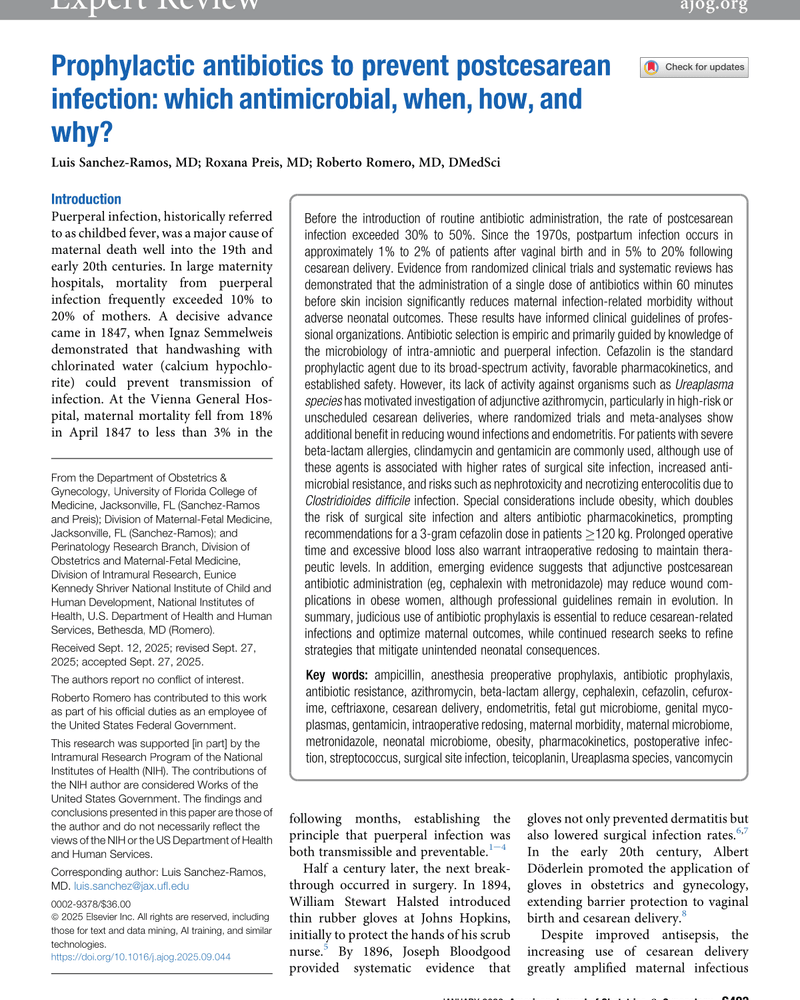
PROPHYLACTIC ANTIBIOTICS TO PREVENT POSTCESAREAN INFECTION: WHY? WHICH ANTIMICROBIAL, WHEN, HOW
Same clinical topic · Obstetrics and Gynecology
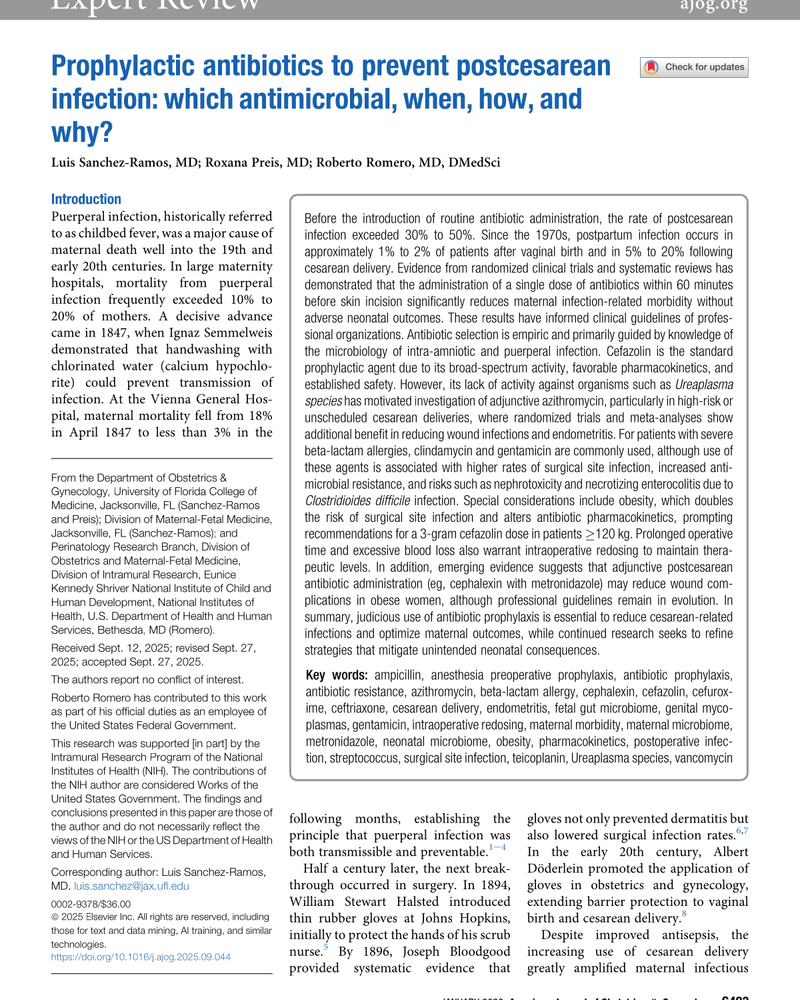
PROPHYLACTIC ANTIBIOTICS TO PREVENT POSTCESAREAN INFECTION: WHY? WHICH ANTIMICROBIAL, WHEN, HOW
Same clinical topic · Obstetrics and Gynecology