Please wait while we open this resource.


K

Clinical notes
The Law, Medicine and Ethics
Forensic Medicine
PPTX23 pages1.0 MB
The document outlines the five cardinal principles of medical ethics—confidentiality, autonomy, justice, beneficence, and non‑maleficence—and relates them to forensic practice. It discusses the legal duties of care, negligence, and the standards of proof required in criminal and civil cases. Specific challenges such as dual loyalty, informed consent, and the role of the forensic pathologist as an expert witness are examined. The text also emphasizes the qualities of trustworthiness, compassion, and sound judgment required of ethical doctors. Finally, it connects ethical conduct to broader health policy and resource allocation issues.
Sign in to open
Ask this resource
Answers use this document only.
Your first question is free.
More like this
Resources from the same specialty and type. Curated links will replace these when added.
Clinical Resources
Documents that extend or complement this resource.
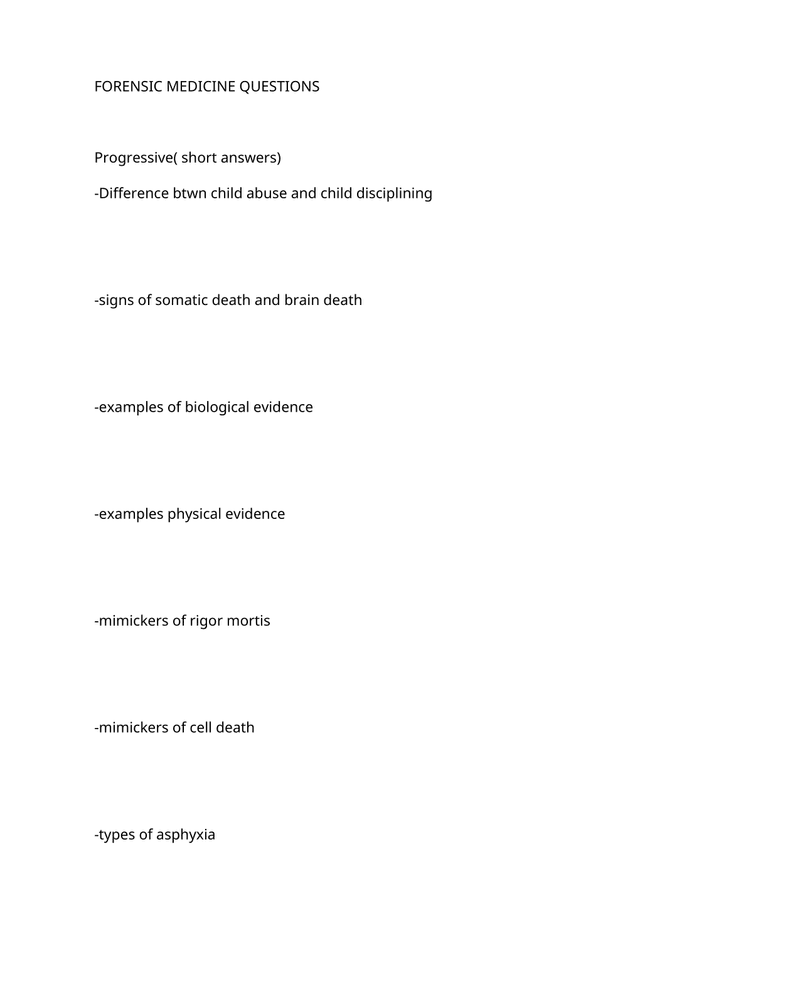
FORENSIC MEDICINE
Same clinical topic · Forensic Medicine
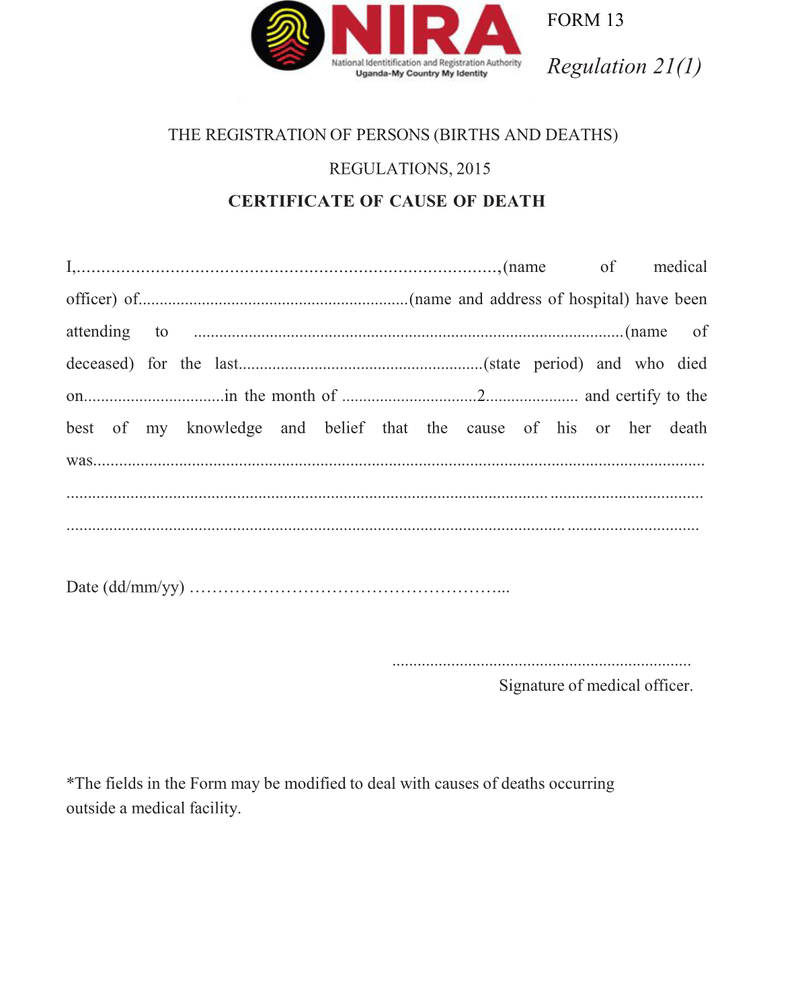
Certificate of Cause of Death Form
Same clinical topic · Forensic Medicine
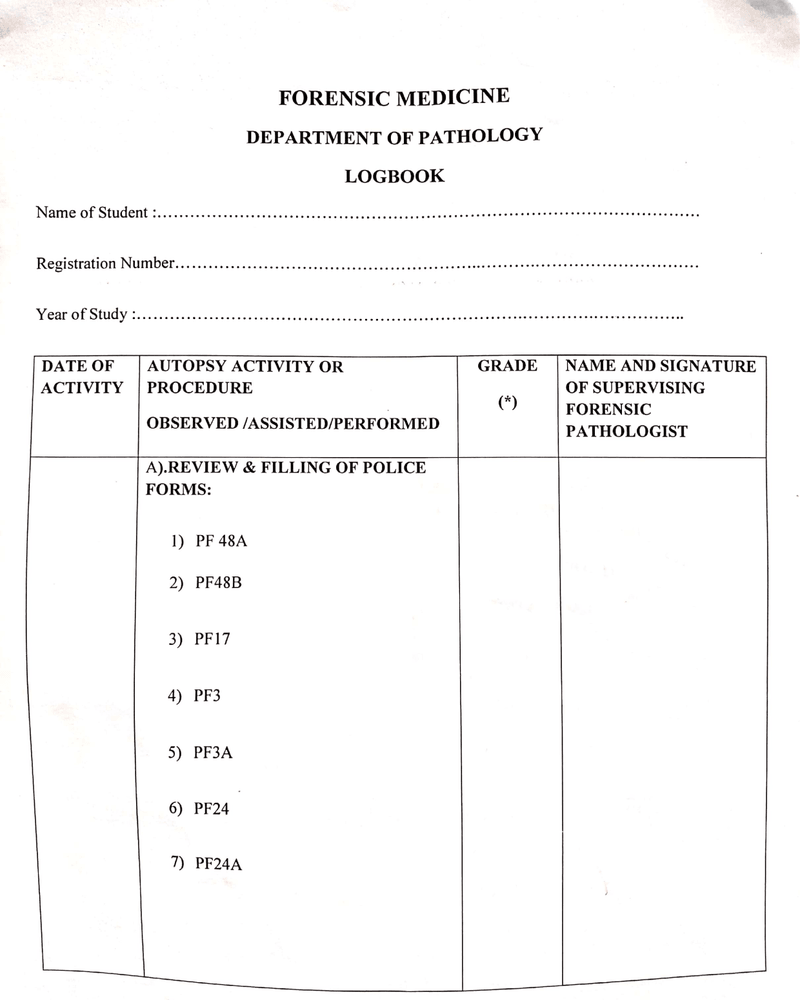
FORENSIC MEDICINE LOGBOOK
Same specialty · Forensic Medicine
Sexual Assault, Anogenital Injuries and FGM
Same specialty · Forensic Medicine
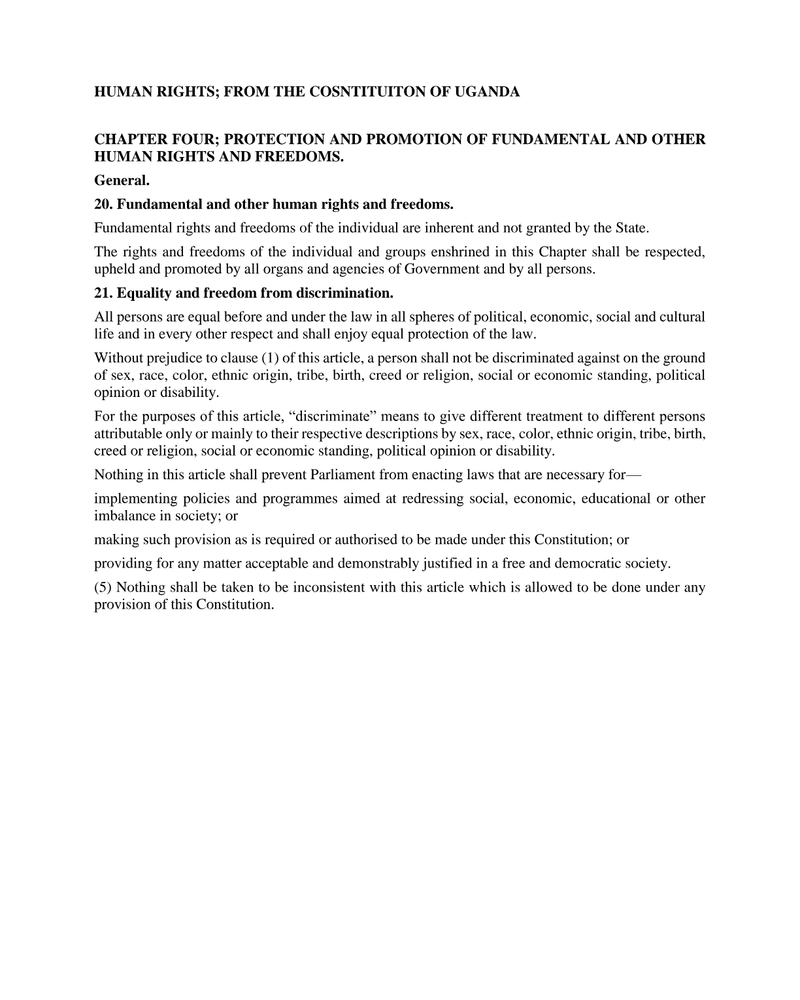
Human Rights in the Ugandan Constitution
Same specialty · Forensic Medicine
ATLAS OF DERMATOLOGICAL CONDITIONS IN POPULATIONS OF AFRICAN ANCESTRY
Same resource type · Dermatology
DIABETES MELLITUS
Same resource type · Endocrinology

dermatology-secrets-6nbsped-9780323673235 compress
Same resource type · Dermatology
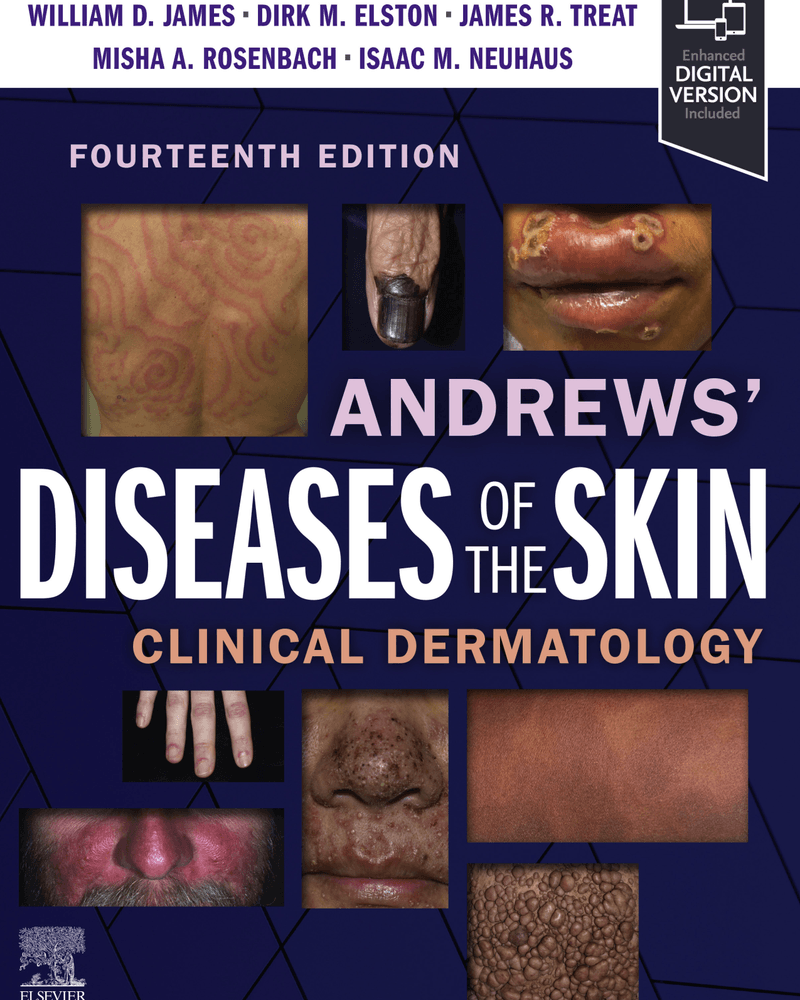
Andrews' Diseases of the Skin Clinical Dermatology 14th Edition
Same resource type · Dermatology