Please wait while we open this resource.


K

Clinical reviews
RECENT ADVANCES IN ICU: Acute kidney injury
Medical University Innsbruck, University Hospital Münster, Royal Surrey Hospital Foundation Trust, University of Surrey
PDF20234 pages917 KB
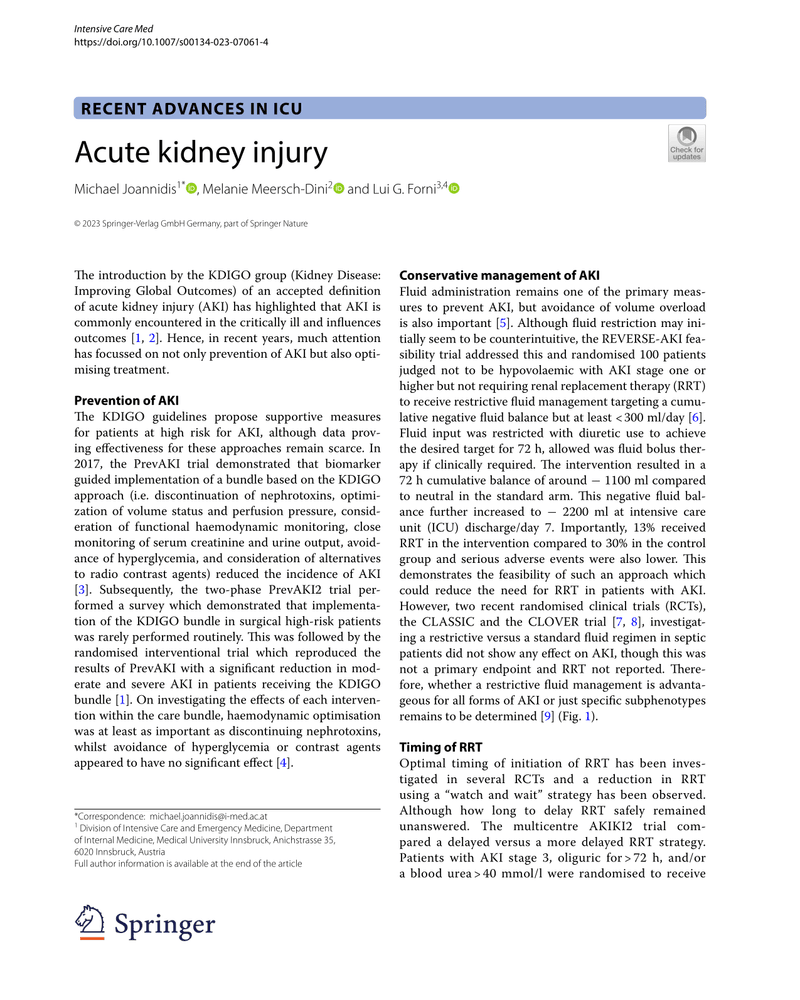
The introduction by the KDIGO group has established a definition of acute kidney injury (AKI), which is frequently encountered in critically ill patients and significantly affects outcomes. The document reviews various strategies for preventing AKI, including the implementation of a care bundle based on KDIGO guidelines. It highlights the importance of optimizing hemodynamic status and discusses the role of artificial intelligence in early prediction of AKI, while also cautioning about the limitations of current predictive models.
Sign in to open
Ask this resource
Answers use this document only.
Your first question is free.
More like this
Resources from the same specialty and type. Curated links will replace these when added.
Clinical Resources
Documents that extend or complement this resource.
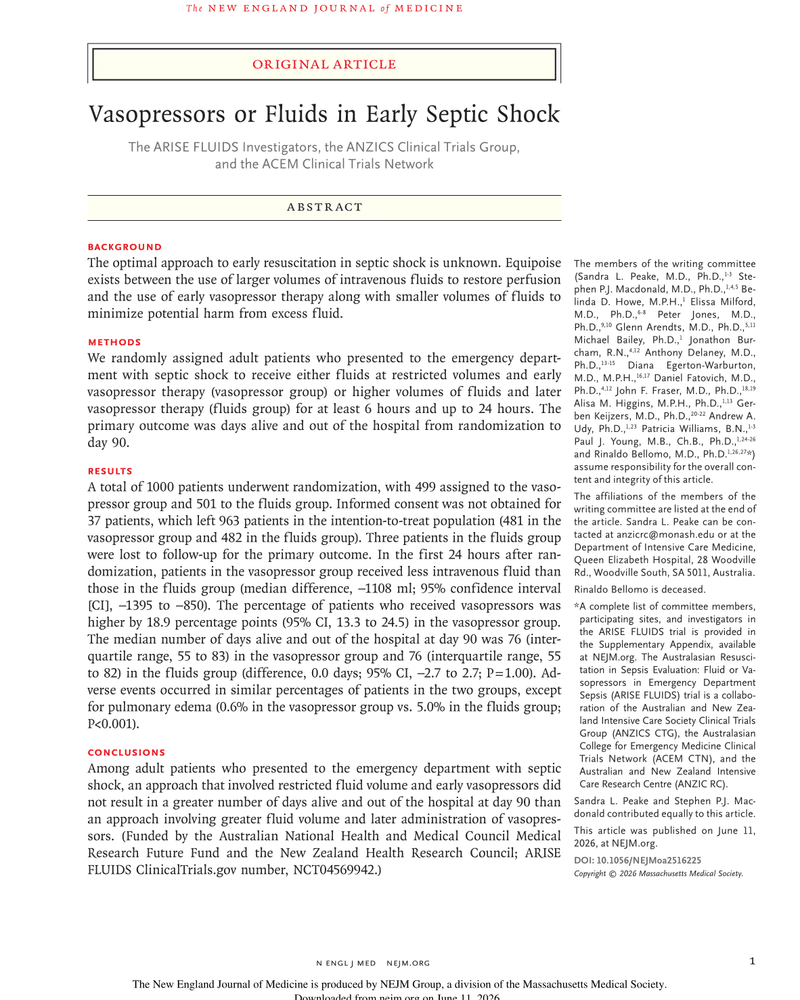
VASOPRESSORS OR FLUIDS IN EARLY SEPTIC SHOCK
Same clinical topic · Critical Care Medicine
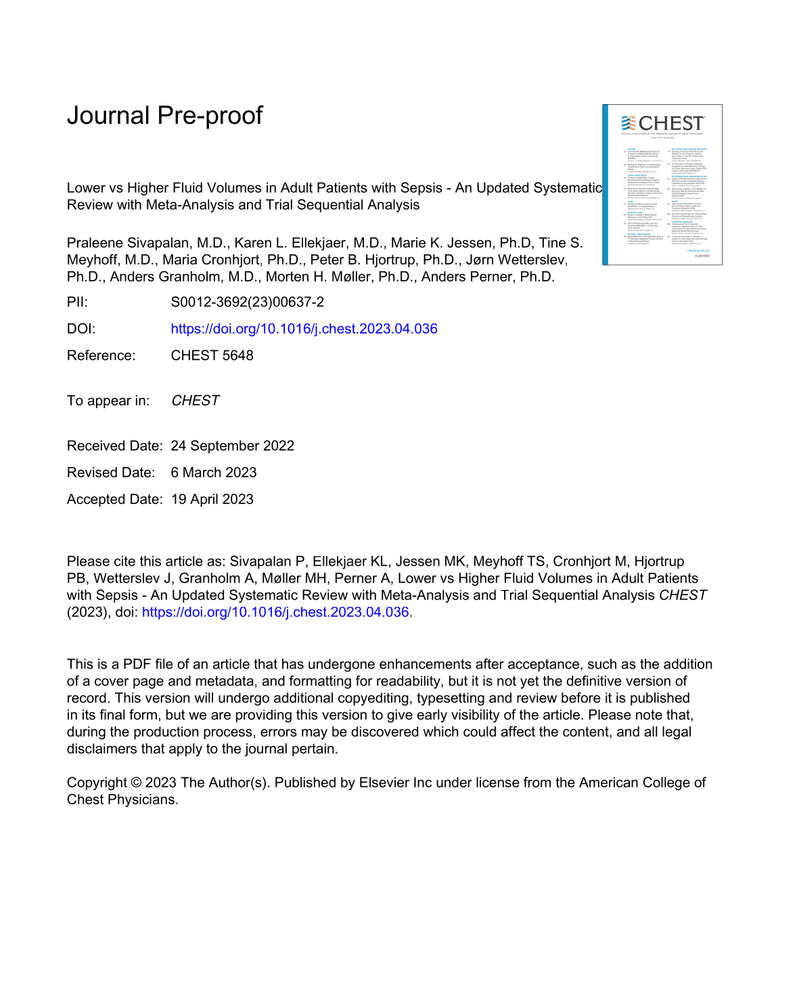
LOWER VS HIGHER FLUID VOLUMES IN ADULT PATIENTS WITH SEPSIS - AN UPDATED SYSTEMATIC REVIEW WITH META-ANALYSIS AND TRIAL SEQUENTIAL ANALYSIS
Same clinical topic · Critical Care Medicine
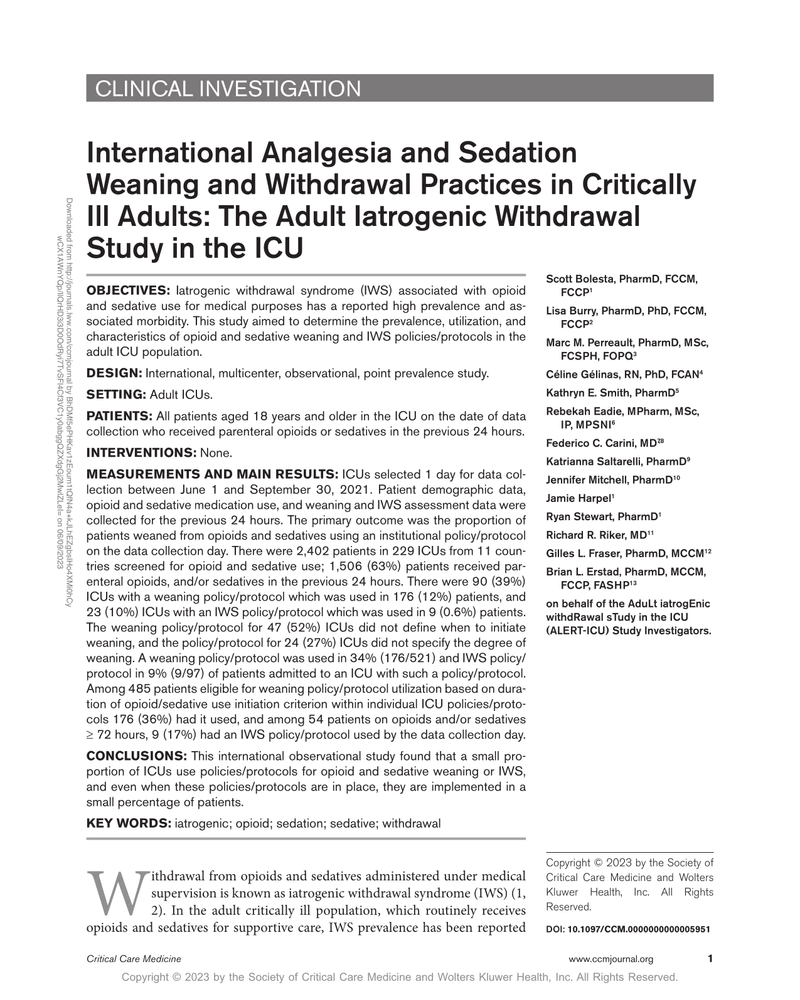
INTERNATIONAL ANALGESIA AND SEDATION WEANING AND WITHDRAWAL PRACTICES IN CRITICALLY ILL ADULTS: THE ADULT IATROGENIC WITHDRAWAL STUDY IN THE ICU
Same clinical topic · Critical Care Medicine
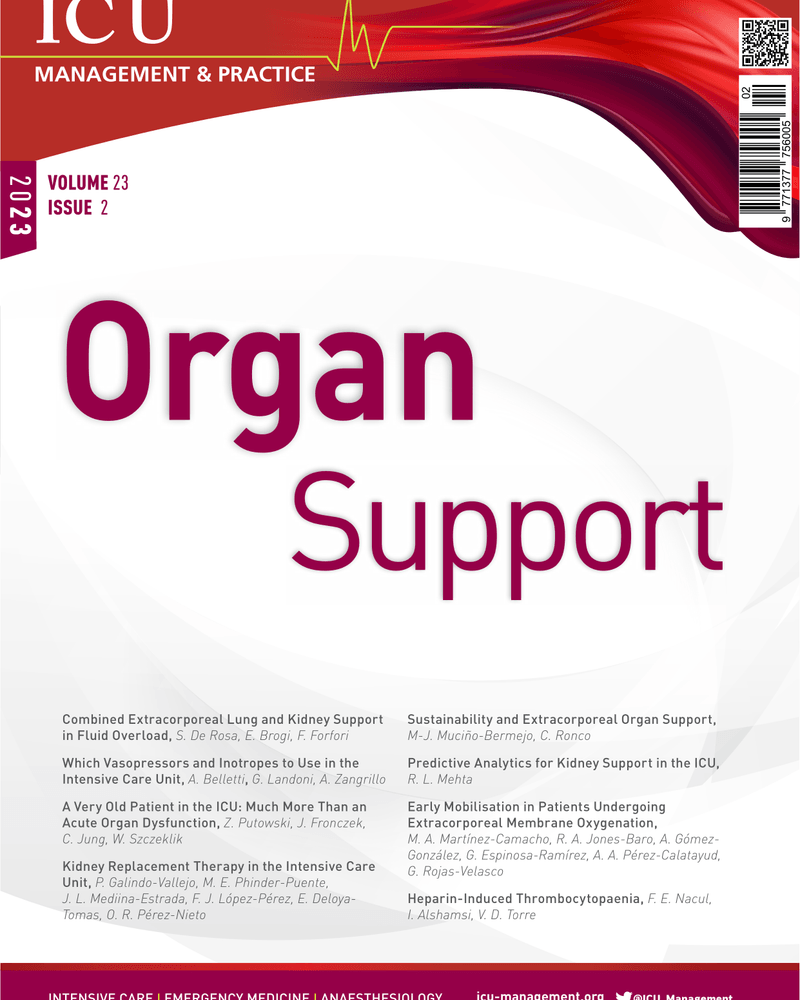
HEPARIN-INDUCED THROMBOCYTOPAENIA
Same clinical topic · Critical Care Medicine
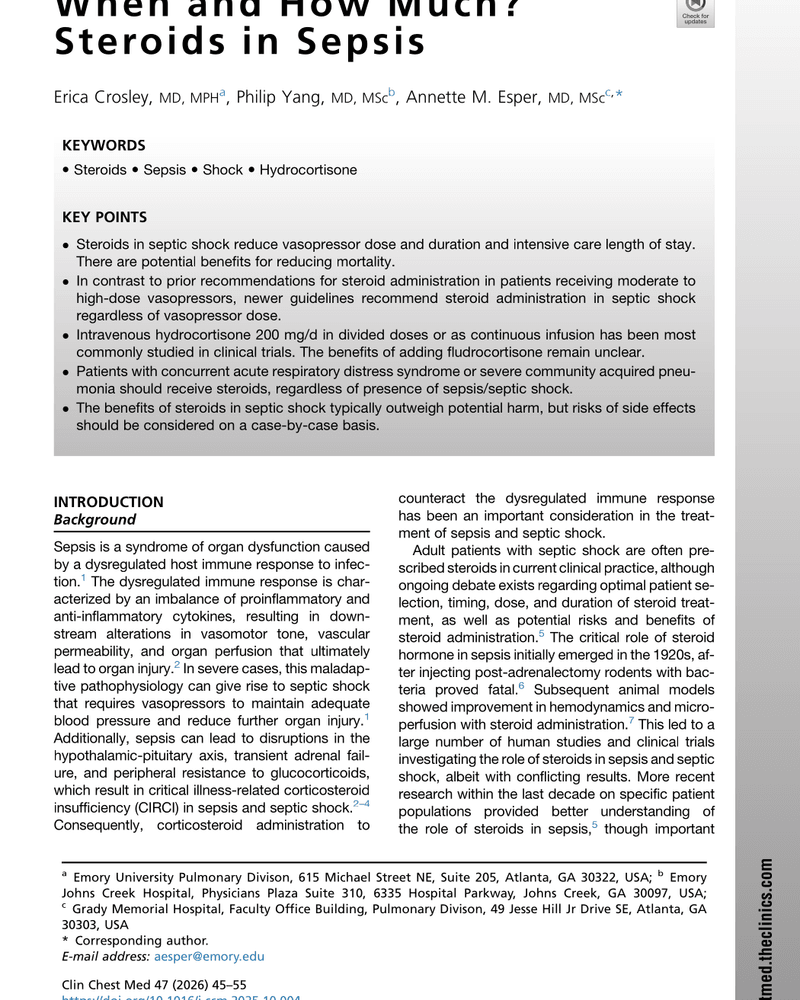
WHEN AND HOW MUCH? STEROIDS IN SEPSIS
Same clinical topic · Critical Care Medicine
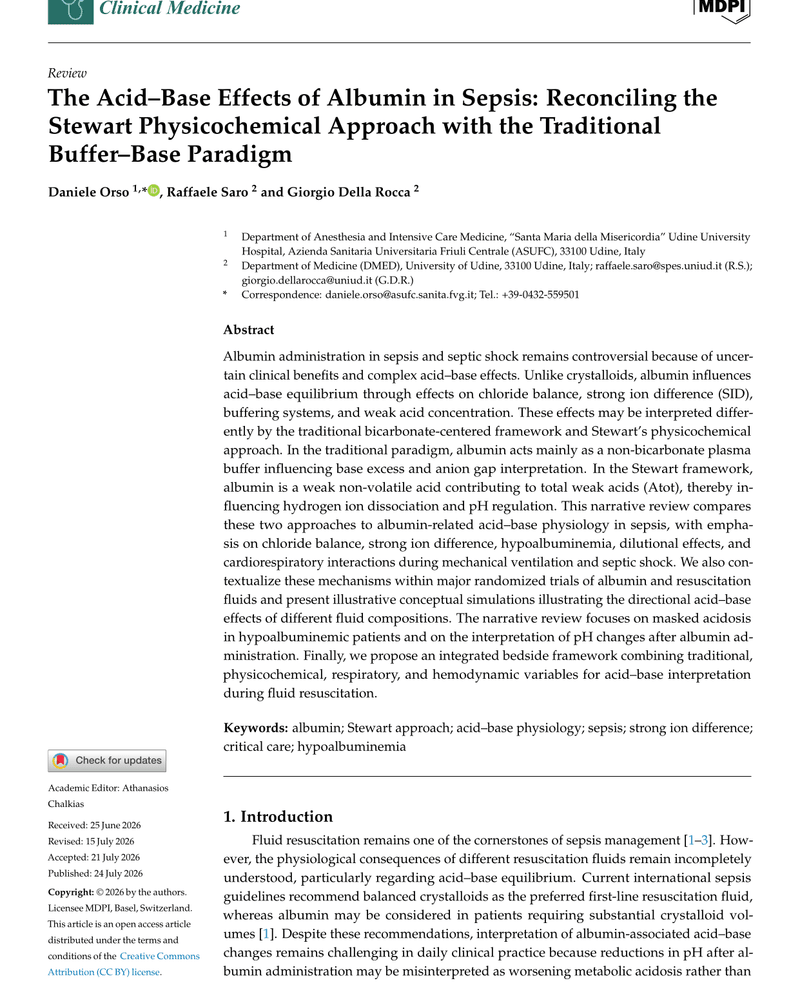
THE ACID-BASE EFFECTS OF ALBUMIN IN SEPSIS: RECONCILING THE STEWART PHYSICOCHEMICAL APPROACH WITH THE TRADITIONAL BUFFER-BASE PARADIGM
Same clinical topic · Critical Care Medicine
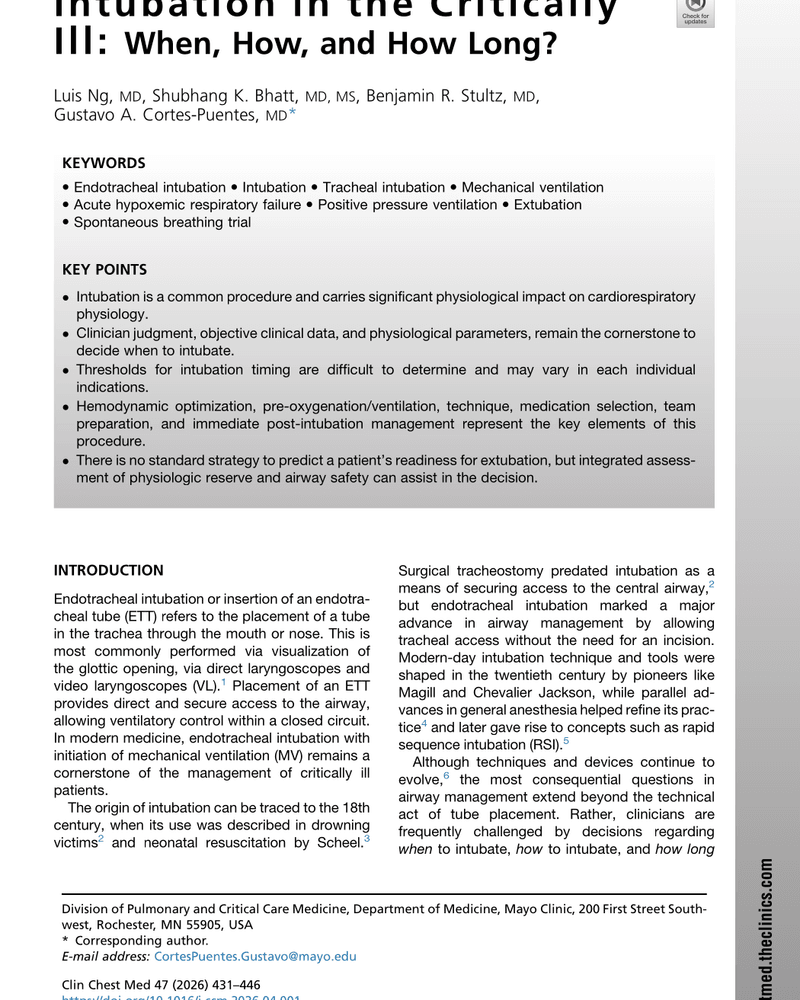
Intubation in the Critically Ill: When, How, and How Long?
Same clinical topic · Critical Care Medicine
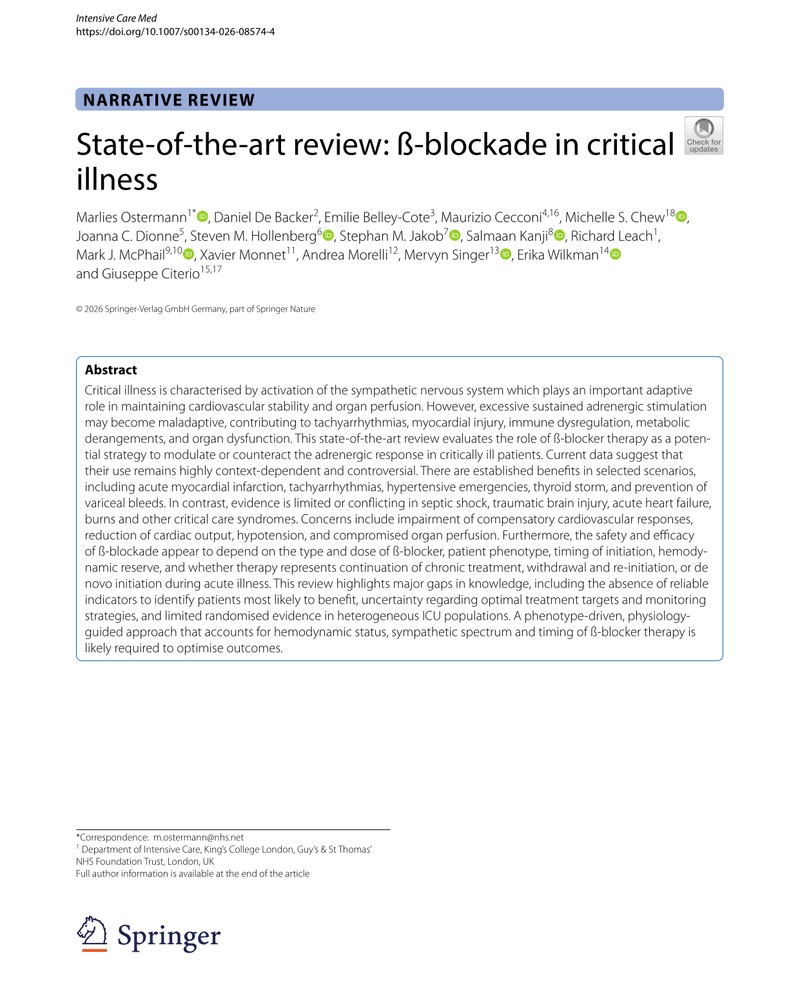
STATE - OF - THE - ART REVIEW: ß - BLOCKADE IN CRITICAL ILLNESS
Same clinical topic · Critical Care Medicine
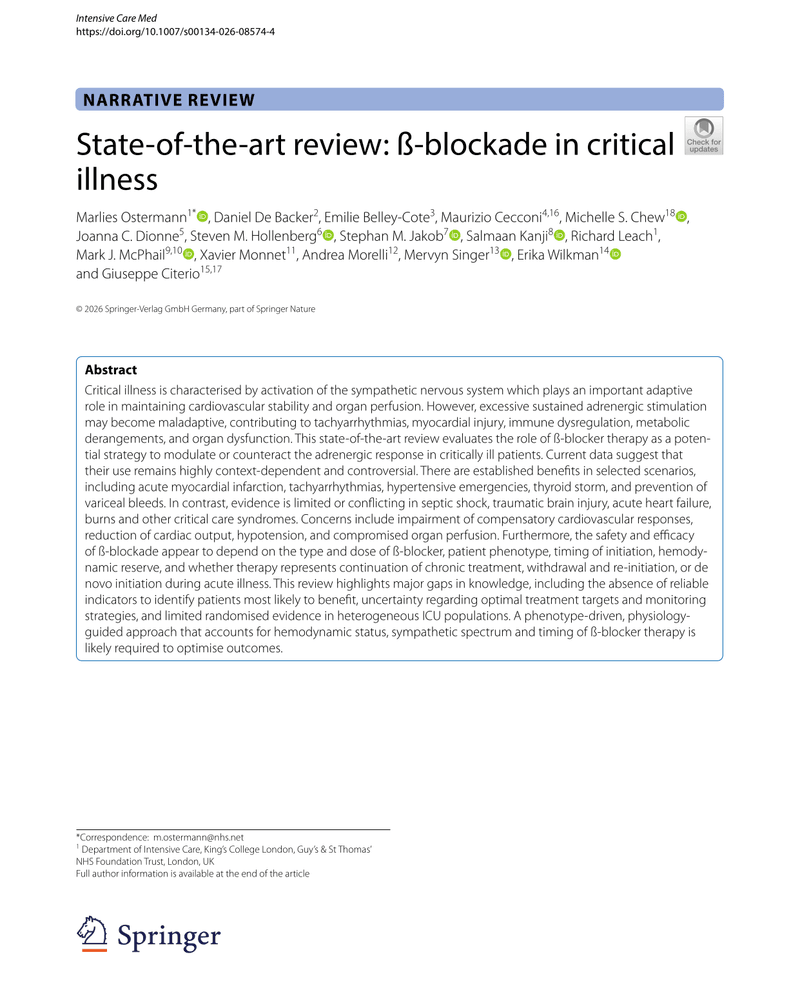
STATE - OF - THE - ART REVIEW: ß - BLOCKADE IN CRITICAL ILLNESS
Same clinical topic · Critical Care Medicine