Preparing your experience, please wait…


K

Clinical reviews
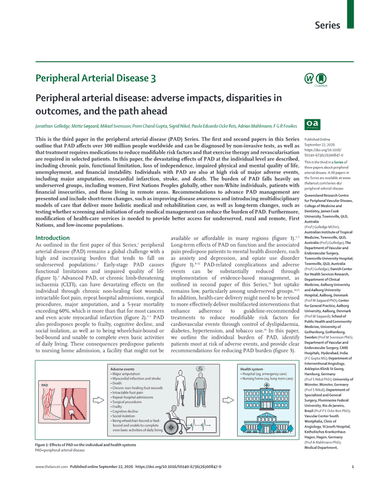
PERIPHERAL ARTERIAL DISEASE: ADVERSE IMPACTS, DISPARITIES IN OUTCOMES, AND THE PATH AHEAD
Queensland Research Centre for Peripheral Vascular Disease, College of Medicine and Dentistry, James Cook University, Townsville, QLD 4811, Australia
PDF202614 pages300 KB
The paper is part of a series on peripheral arterial disease (PAD) and emphasizes that PAD affects over 300 million people globally. It outlines the devastating individual impacts of PAD, including chronic pain and loss of independence, and identifies high-risk groups that are disproportionately affected. The authors propose recommendations for improving PAD management, including enhancing disease awareness and implementing multidisciplinary care models. The document also stresses the need for long-term changes in healthcare services to better serve underserved populations.
No account needed
Ask this resource
Answers from this document onlyMore like this
Resources from the same specialty and type. Curated links will replace these when added.
Clinical Resources
Documents that extend or complement this resource.
OPTIMAL DIURETIC STRATEGIES IN HEART FAILURE
Same clinical topic · Cardiology
ARRHYTHMIC SYNCOPE: FROM DIAGNOSIS TO MANAGEMENT
Same clinical topic · Cardiology
DIRECT ORAL ANTICOAGULANTS IN PRIMARY AND SECONDARY PREVENTION OF THROMBOTIC EVENTS: 2026 ACC SCIENTIFIC STATEMENT
Same clinical topic · Cardiology
PULSED FIELD ABLATION VS STANDARD RADIOFREQUENCY ABLATION FOR TYPICAL ATRIAL FLUTTER
Same clinical topic · Cardiology
BEYOND THE 4 PILLARS
Same clinical topic · Cardiology
SURVIVAL AFTER INITIAL STRESS TESTING VS ANATOMIC TESTING IN SUSPECTED CORONARY ARTERY DISEASE
Same clinical topic · Cardiology
MOBITZ TYPE II SECOND-DEGREE ATRIOVENTRICULAR BLOCK: A COMMONLY OVERDIAGNOSED AND MISINTERPRETED ARRHYTHMIA
Same clinical topic · Cardiology
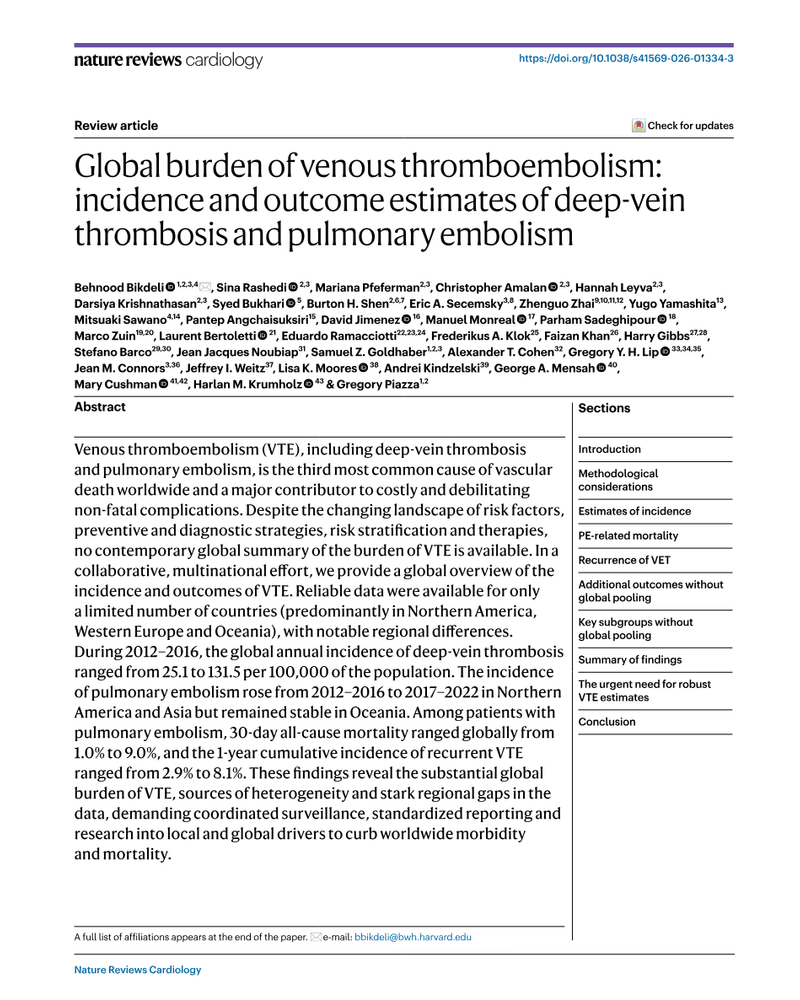
GLOBAL BURDEN OF VENOUS THROMBOEMBOLISM: INCIDENCE AND OUTCOME ESTIMATES OF DEEP-VEIN THROMBOSIS AND PULMONARY EMBOLISM
Same clinical topic · Cardiology
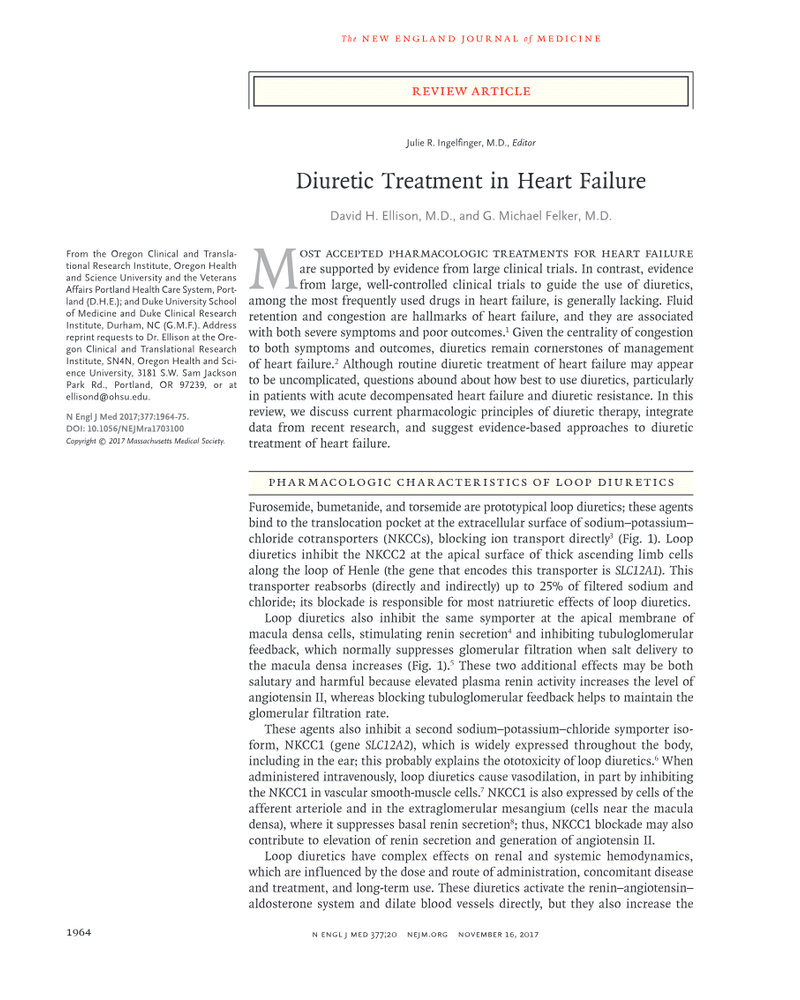
DIURETIC TREATMENT IN HEART FAILURE
Same clinical topic · Cardiology