Preparing your experience, please wait…


K

Clinical reviews
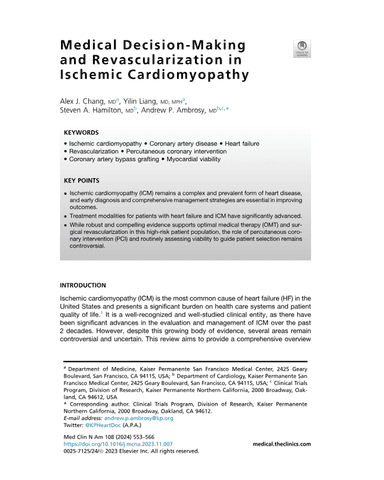
MEDICAL DECISION-MAKING AND REVASCULARIZATION IN ISCHEMIC CARDIOMYOPATHY
Kaiser Permanente San Francisco Medical Center
PDF14 pages448 KB
Ischemic cardiomyopathy (ICM) is the leading cause of heart failure in the United States, significantly impacting healthcare systems and patient quality of life. The document discusses advances in the evaluation and management of ICM over the past two decades, highlighting areas of controversy and uncertainty. It emphasizes the importance of early ischemic evaluation in patients with new-onset heart failure with reduced ejection fraction (HFrEF) and reviews treatment modalities that have evolved to improve patient outcomes.
No account needed
Ask this resource
Answers from this document onlyMore like this
Resources from the same specialty and type. Curated links will replace these when added.
Clinical Resources
Documents that extend or complement this resource.
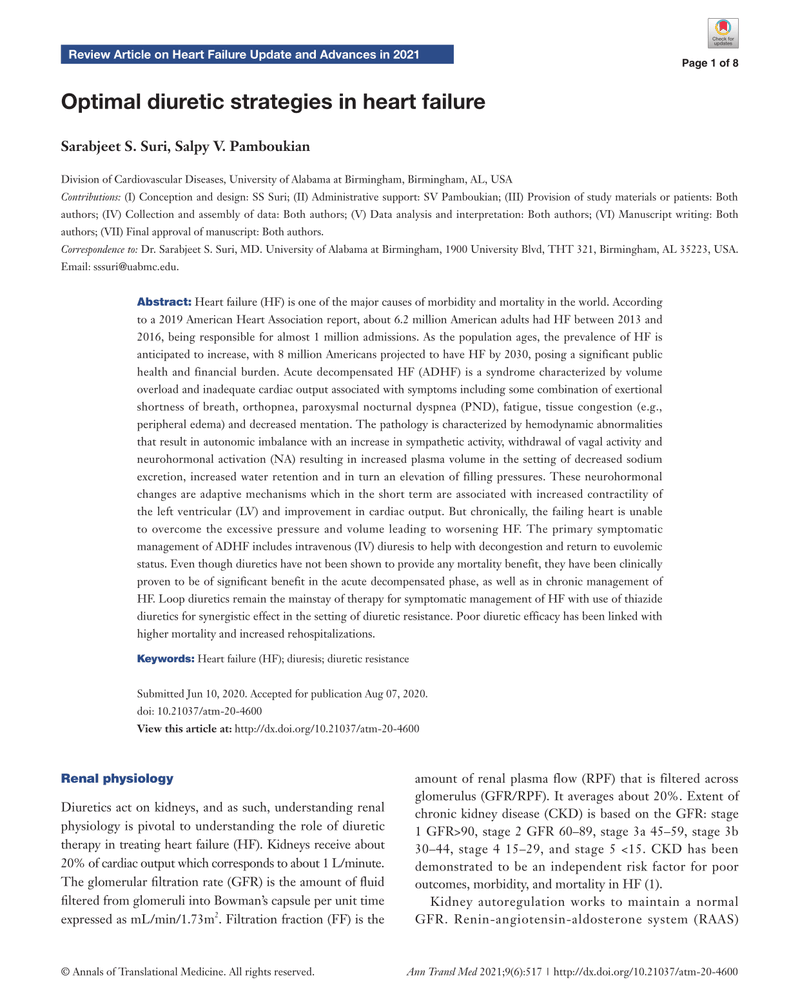
OPTIMAL DIURETIC STRATEGIES IN HEART FAILURE
Same clinical topic · Cardiology
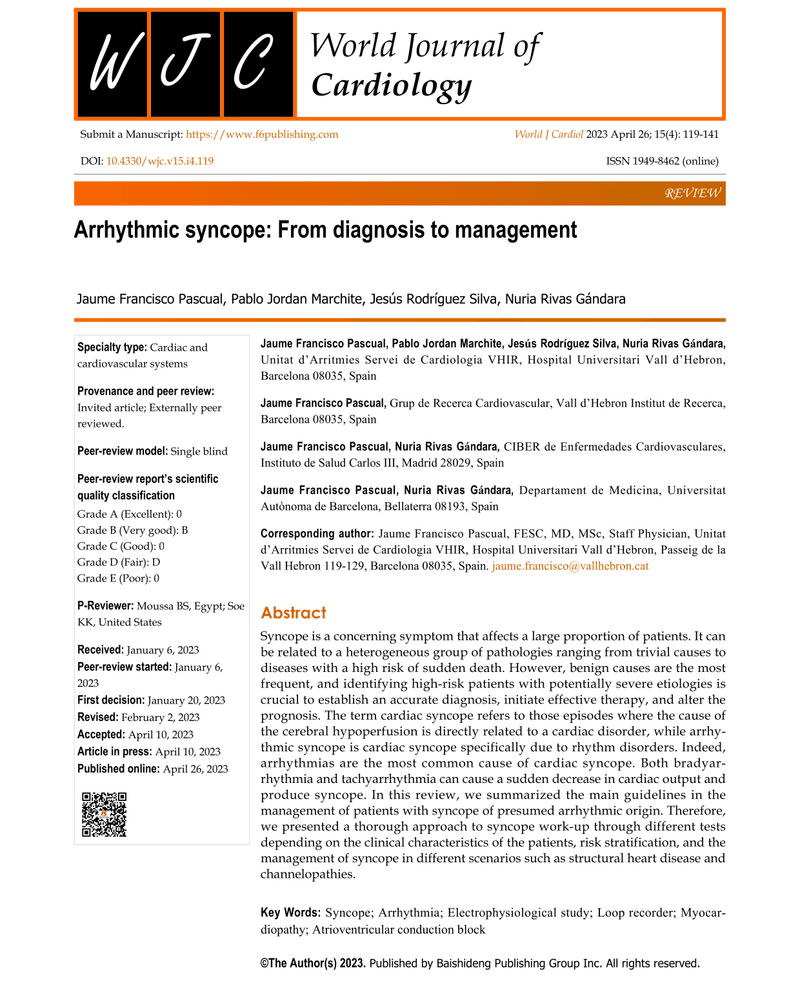
ARRHYTHMIC SYNCOPE: FROM DIAGNOSIS TO MANAGEMENT
Same clinical topic · Cardiology

DIRECT ORAL ANTICOAGULANTS IN PRIMARY AND SECONDARY PREVENTION OF THROMBOTIC EVENTS: 2026 ACC SCIENTIFIC STATEMENT
Same clinical topic · Cardiology
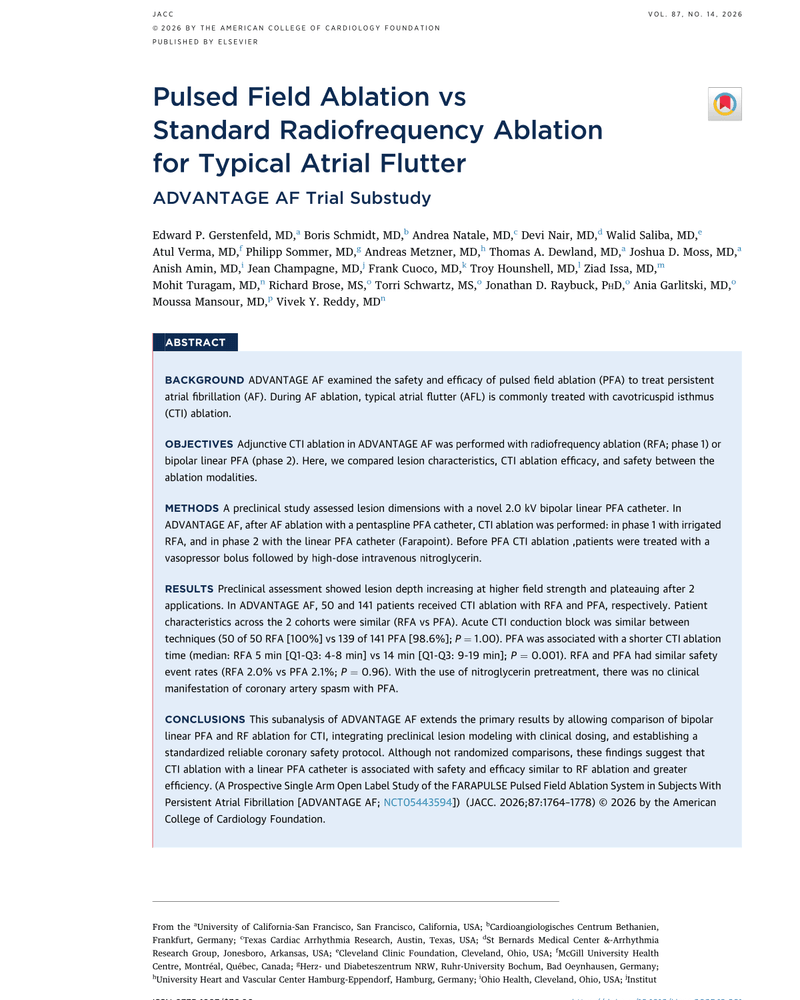
PULSED FIELD ABLATION VS STANDARD RADIOFREQUENCY ABLATION FOR TYPICAL ATRIAL FLUTTER
Same clinical topic · Cardiology
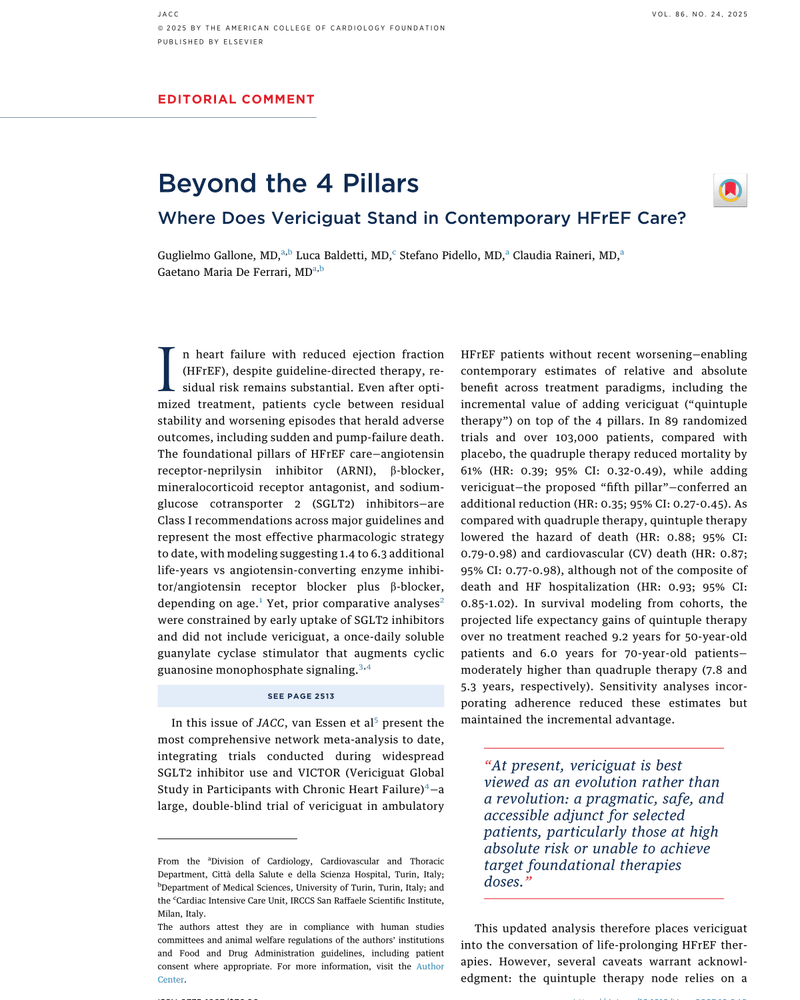
BEYOND THE 4 PILLARS
Same clinical topic · Cardiology
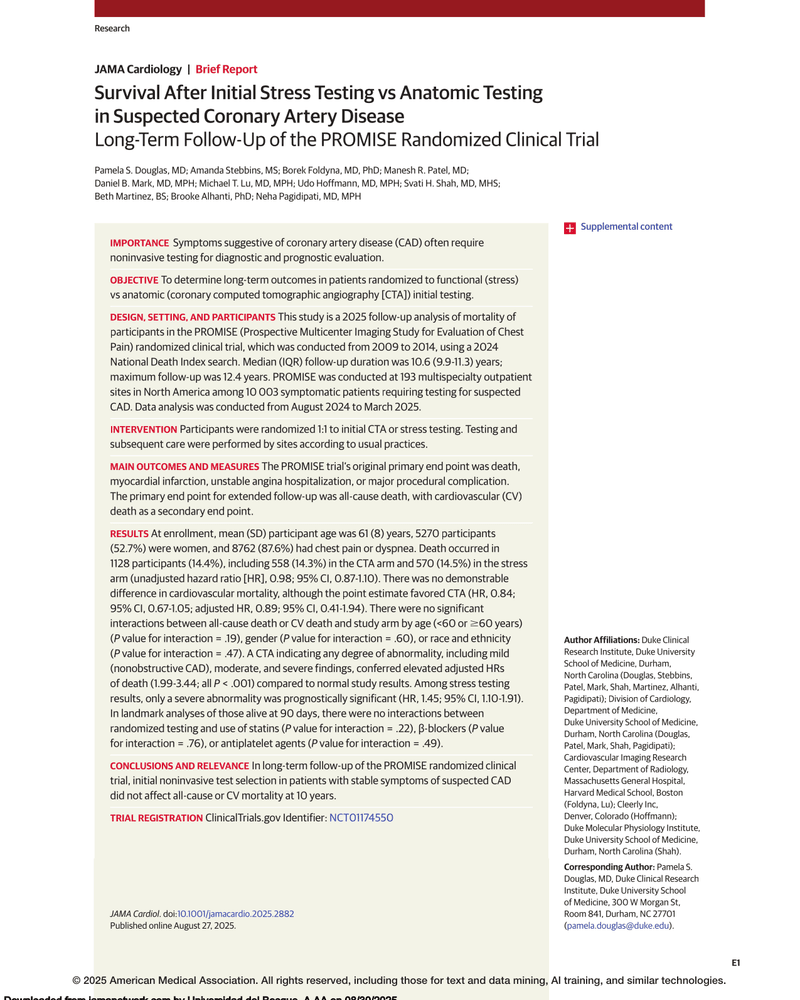
SURVIVAL AFTER INITIAL STRESS TESTING VS ANATOMIC TESTING IN SUSPECTED CORONARY ARTERY DISEASE
Same clinical topic · Cardiology
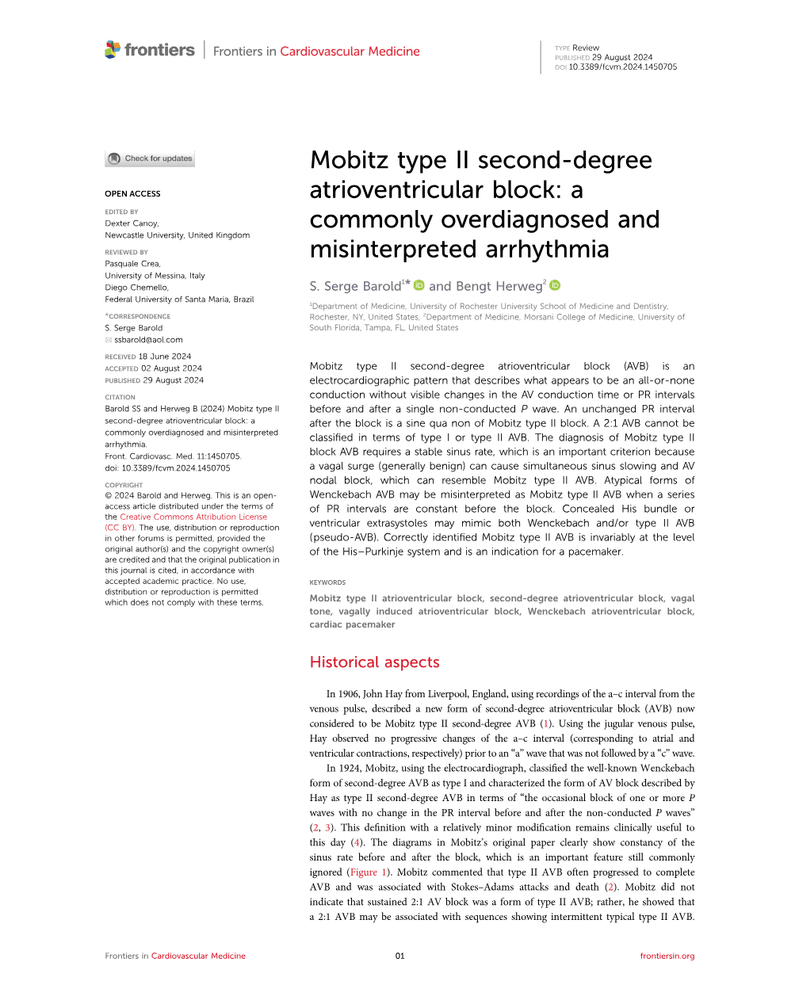
MOBITZ TYPE II SECOND-DEGREE ATRIOVENTRICULAR BLOCK: A COMMONLY OVERDIAGNOSED AND MISINTERPRETED ARRHYTHMIA
Same clinical topic · Cardiology
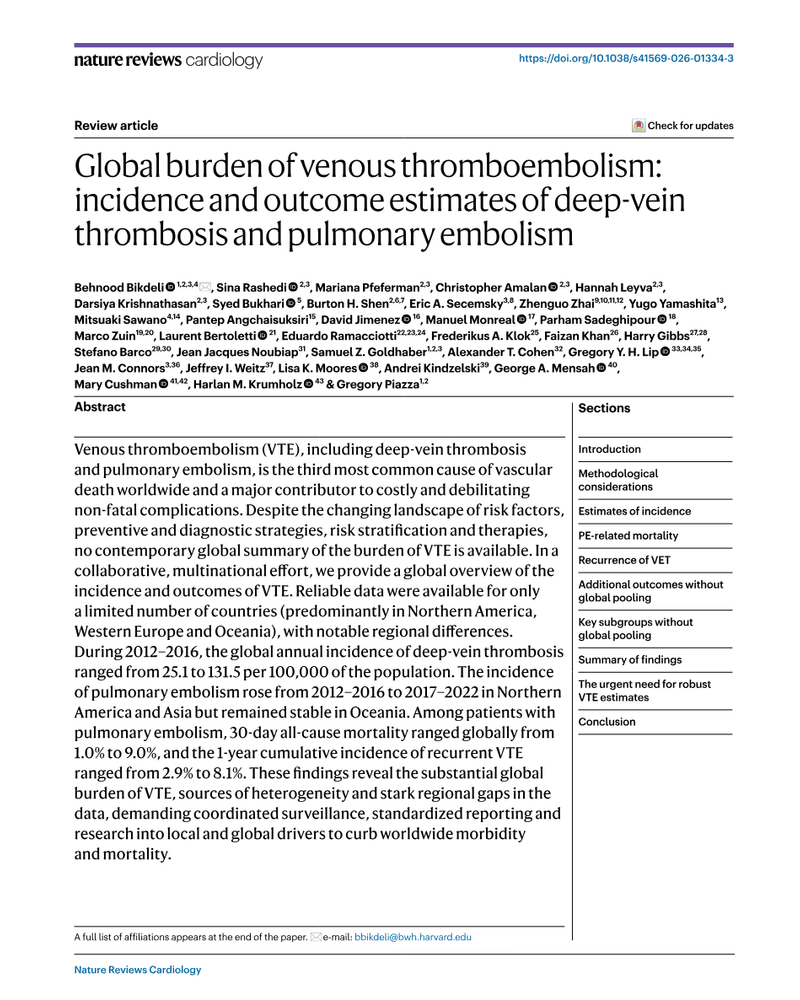
GLOBAL BURDEN OF VENOUS THROMBOEMBOLISM: INCIDENCE AND OUTCOME ESTIMATES OF DEEP-VEIN THROMBOSIS AND PULMONARY EMBOLISM
Same clinical topic · Cardiology
DIURETIC TREATMENT IN HEART FAILURE
Same clinical topic · Cardiology