Please wait while we open this resource.


K

Clinical reviews
EMERGENCY MEDICINE UPDATES: SPONTANEOUS BACTERIAL PERITONITIS
SAUSHEC, Emergency Medicine, Brooke Army Medical Center; Department of Emergency Medicine, Rush University Medical Center
PDF20236 pages419 KB
Spontaneous bacterial peritonitis (SBP) is a significant infection that poses a high risk of mortality in patients with liver disease. The document discusses the typical presentation of SBP, which may include abdominal pain, fever, or altered mental status, and emphasizes the importance of paracentesis as the diagnostic modality of choice. The authors also note the increasing prevalence of infections due to Gram-positive and multidrug-resistant bacteria, underscoring the need for emergency medicine clinicians to stay informed about current evidence regarding diagnosis and management.
Sign in to open
Ask this resource
Answers use this document only.
Your first question is free.
More like this
Resources from the same specialty and type. Curated links will replace these when added.
Clinical Resources
Documents that extend or complement this resource.
Approach to Acute Abdominal Pain: Practical Algorithms
Same clinical topic · Emergency Medicine
TREATMENT AND MONITORING
Same clinical topic · Emergency Medicine
Managing Diabetic Ketoacidosis
Same clinical topic · Emergency Medicine
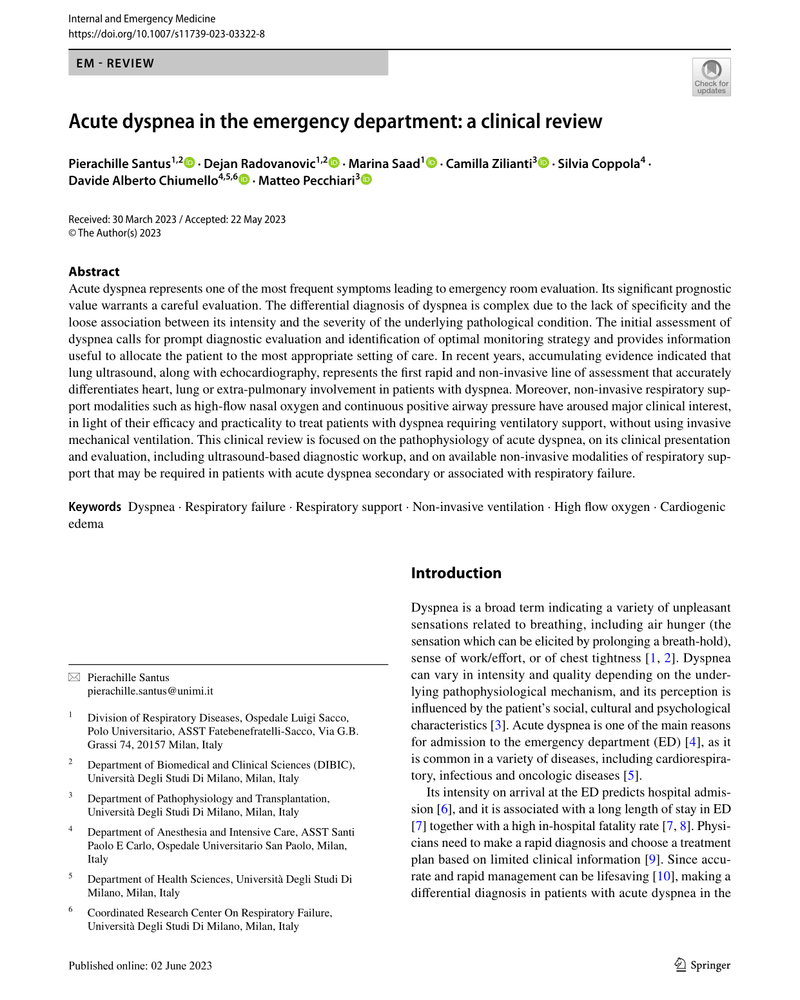
ACUTE DYSPNEA IN THE EMERGENCY DEPARTMENT: A CLINICAL REVIEW
Same clinical topic · Emergency Medicine
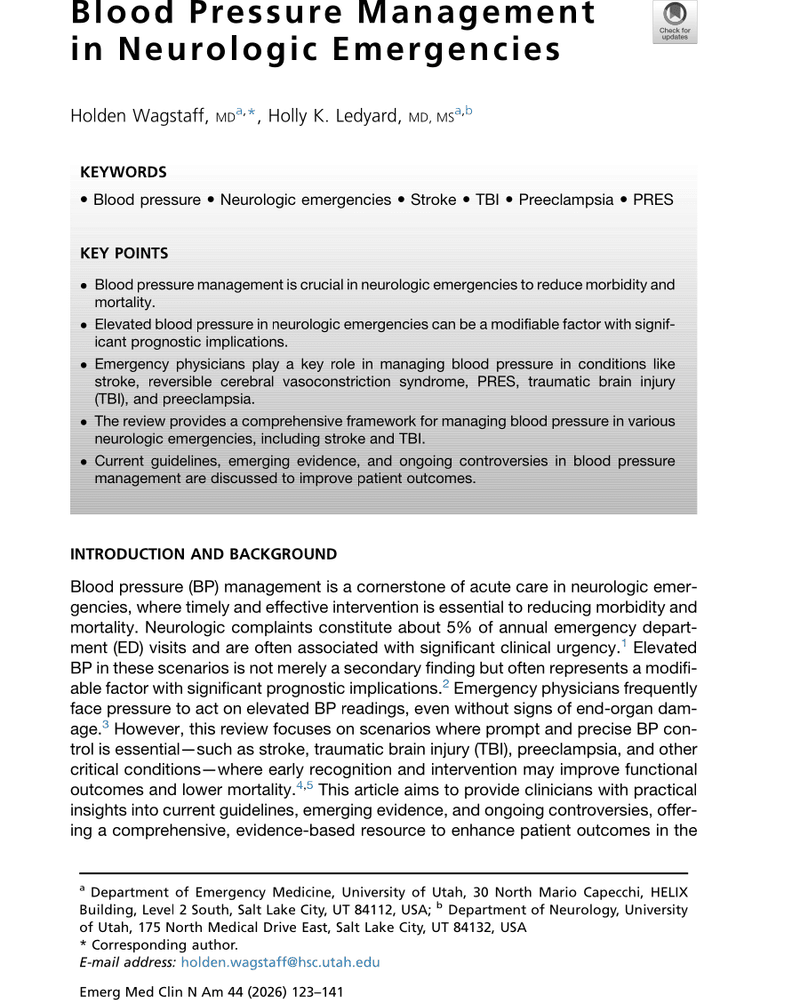
BLOOD PRESSURE MANAGEMENT IN NEUROLOGIC EMERGENCIES
Same clinical topic · Emergency Medicine
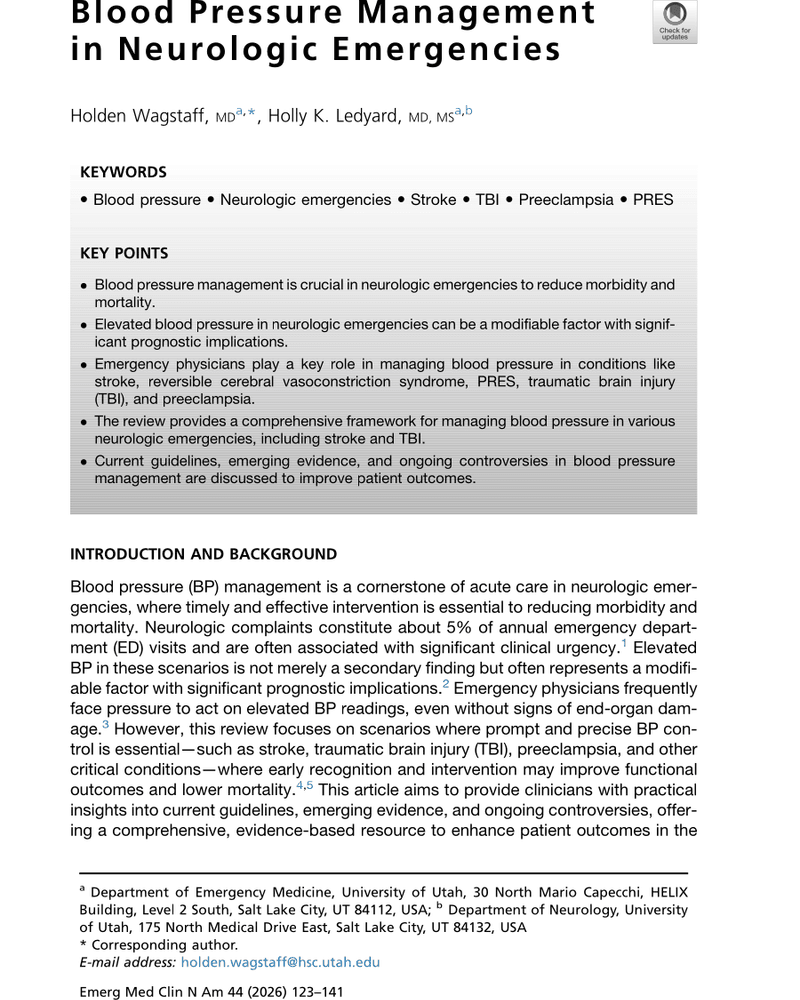
BLOOD PRESSURE MANAGEMENT IN NEUROLOGIC EMERGENCIES
Same clinical topic · Emergency Medicine
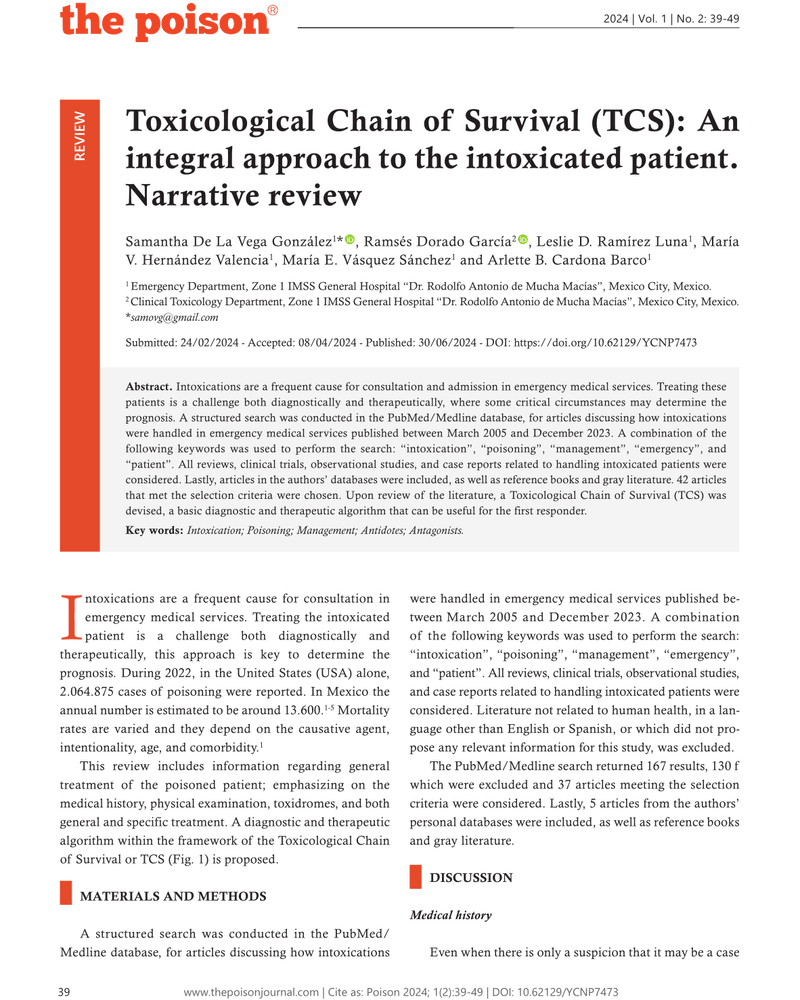
TOXICOLOGICAL CHAIN OF SURVIVAL (TCS): AN INTEGRAL APPROACH TO THE INTOXICATED PATIENT. NARRATIVE REVIEW
Same clinical topic · Emergency Medicine
FAILURES IN THE MANAGEMENT OF STATUS EPILEPTICUS
Same clinical topic · Emergency Medicine
A Review of Bicarbonate Use in Common Clinical Scenarios
Same clinical topic · Emergency Medicine