Please wait while we open this resource.


K

Clinical reviews
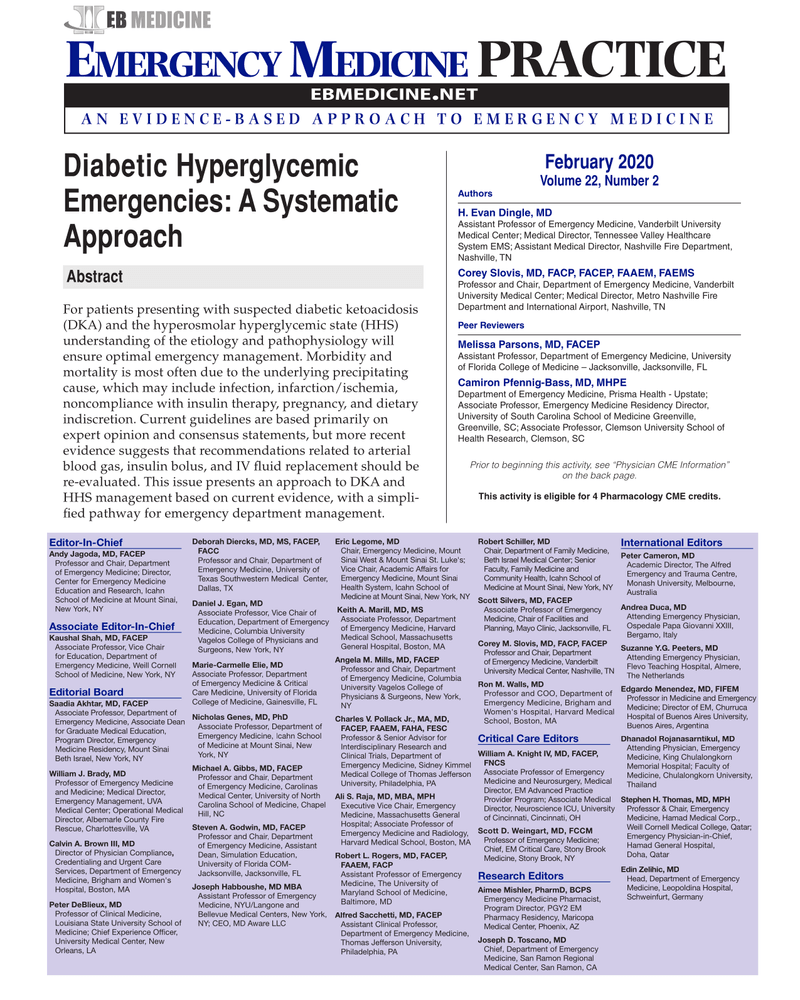
DIABETIC HYPERGLYCEMIC EMERGENCIES: A SYSTEMATIC APPROACH
Vanderbilt University Medical Center
PDF202020 pages483 KB
The document discusses the management of patients presenting with DKA and HHS, highlighting the underlying precipitating causes such as infection and noncompliance with insulin therapy. It reviews current guidelines and suggests that certain recommendations regarding arterial blood gas, insulin bolus, and IV fluid replacement should be re-evaluated based on recent evidence. A simplified pathway for emergency department management is also presented.
Sign in to open
Ask this resource
Answers use this document only.
Your first question is free.
More like this
Resources from the same specialty and type. Curated links will replace these when added.
Clinical Resources
Documents that extend or complement this resource.
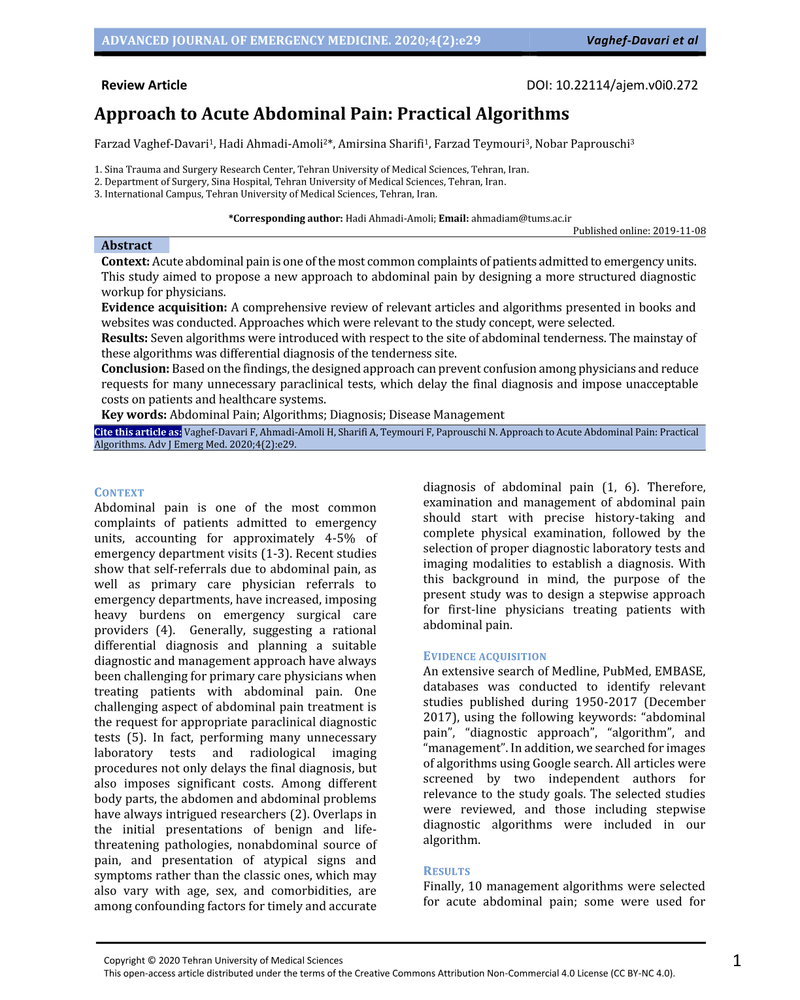
Approach to Acute Abdominal Pain: Practical Algorithms
Same clinical topic · Emergency Medicine
TREATMENT AND MONITORING
Same clinical topic · Emergency Medicine
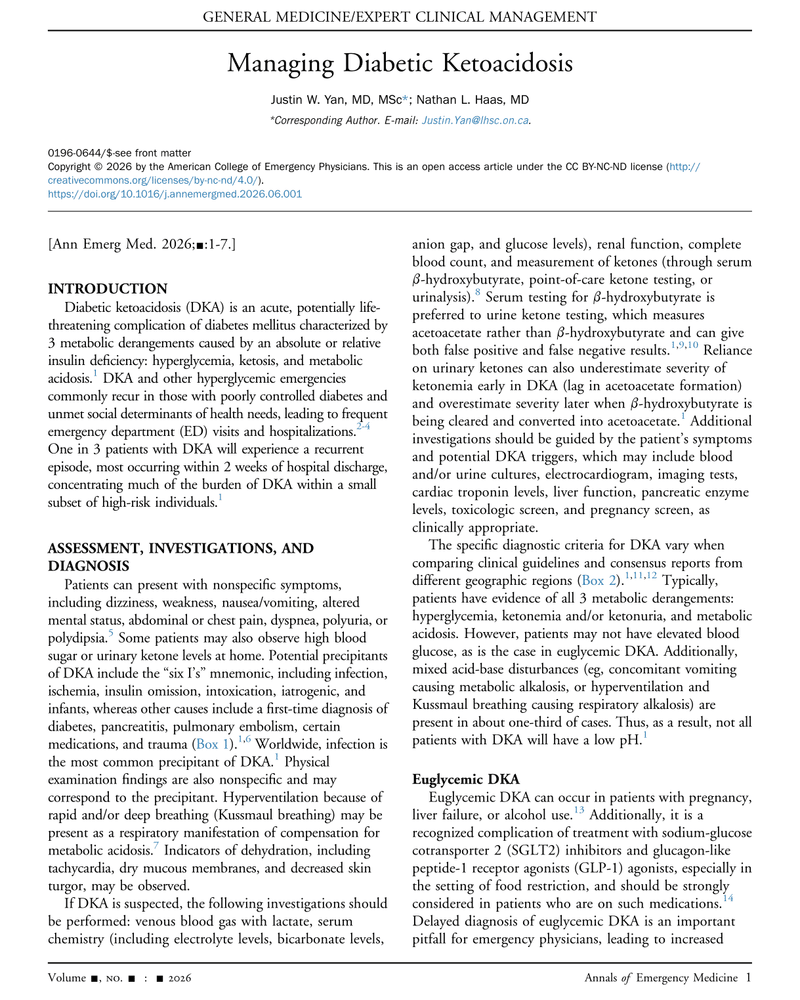
Managing Diabetic Ketoacidosis
Same clinical topic · Emergency Medicine
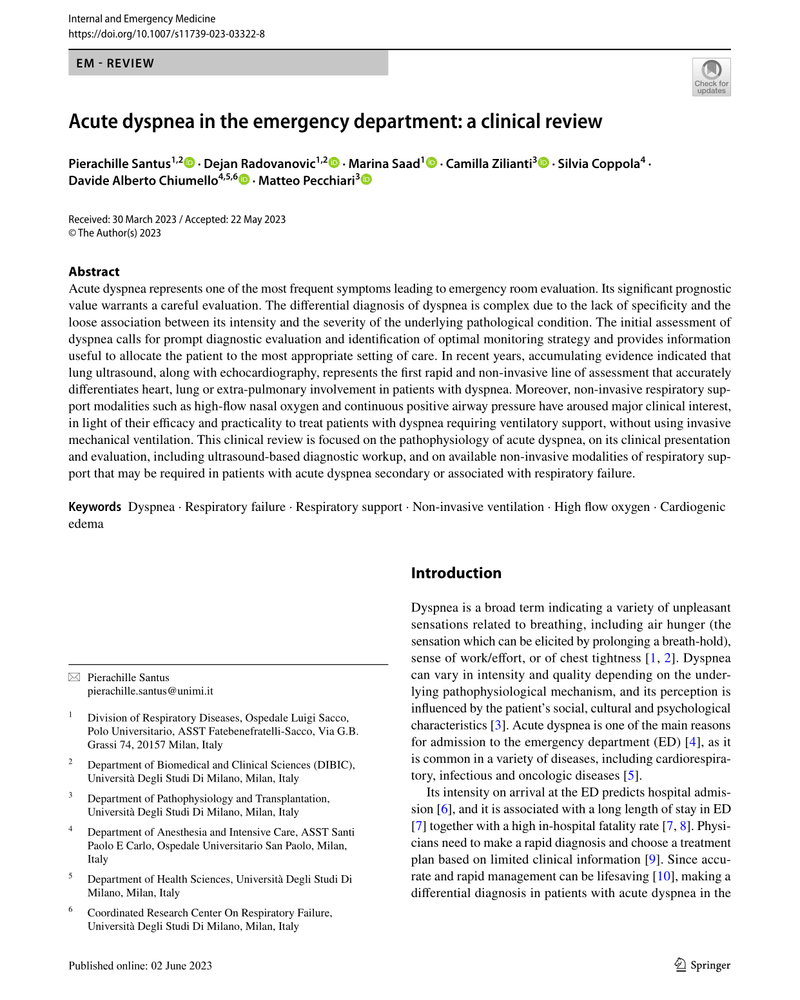
ACUTE DYSPNEA IN THE EMERGENCY DEPARTMENT: A CLINICAL REVIEW
Same clinical topic · Emergency Medicine
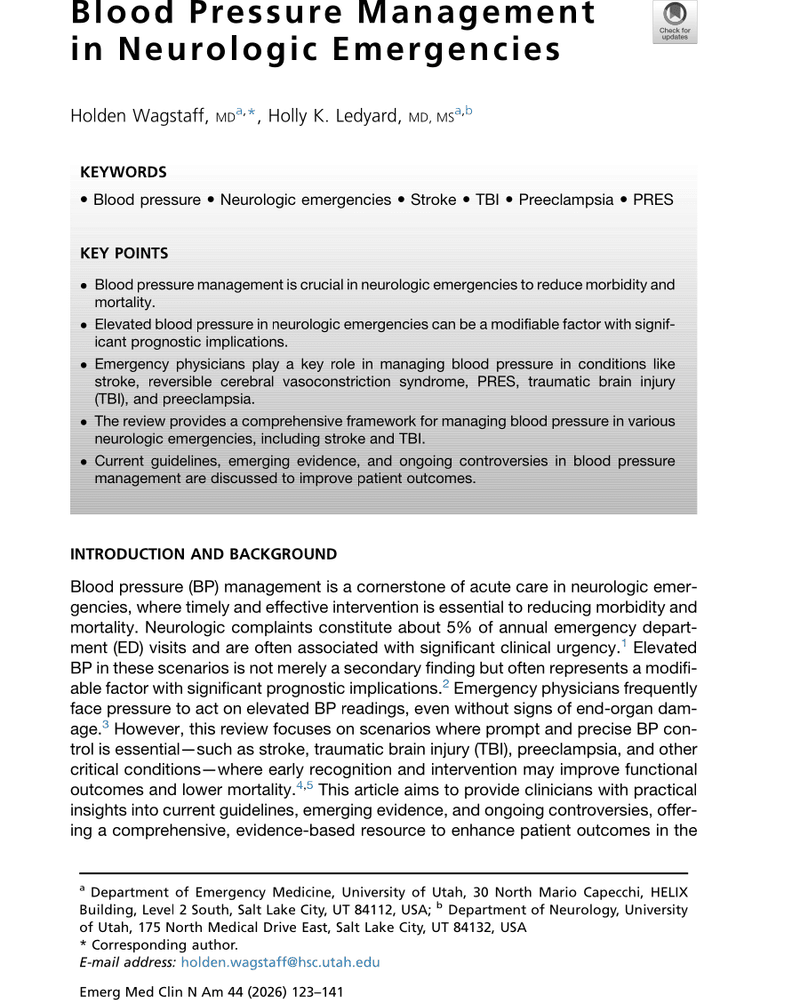
BLOOD PRESSURE MANAGEMENT IN NEUROLOGIC EMERGENCIES
Same clinical topic · Emergency Medicine
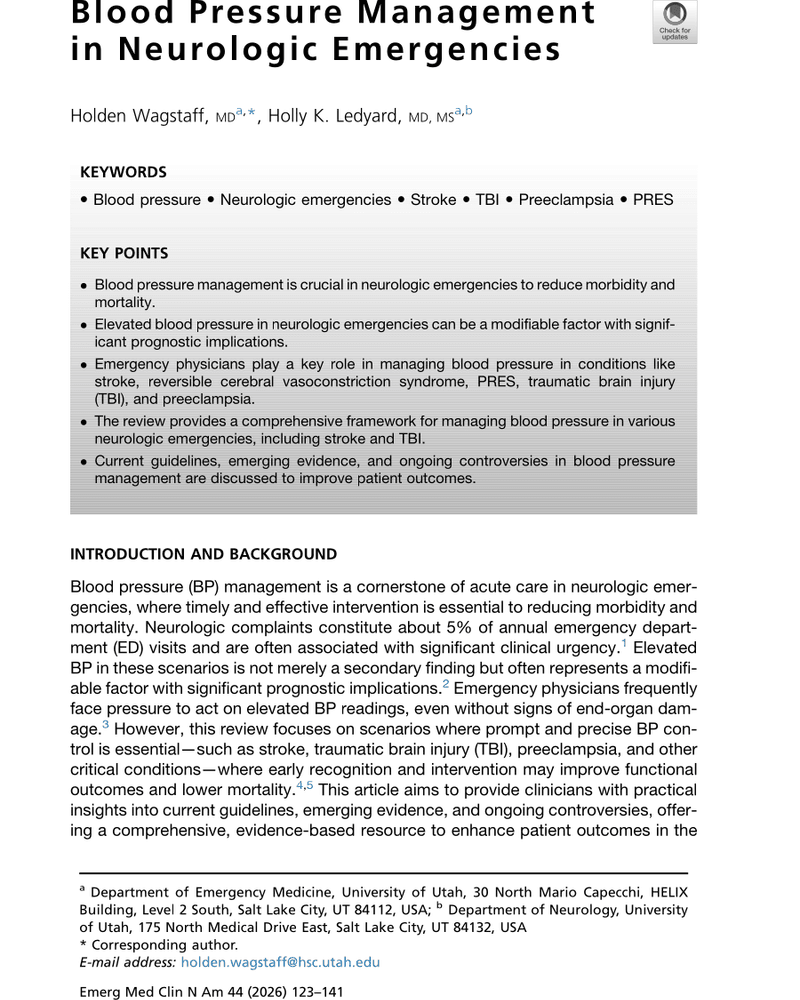
BLOOD PRESSURE MANAGEMENT IN NEUROLOGIC EMERGENCIES
Same clinical topic · Emergency Medicine
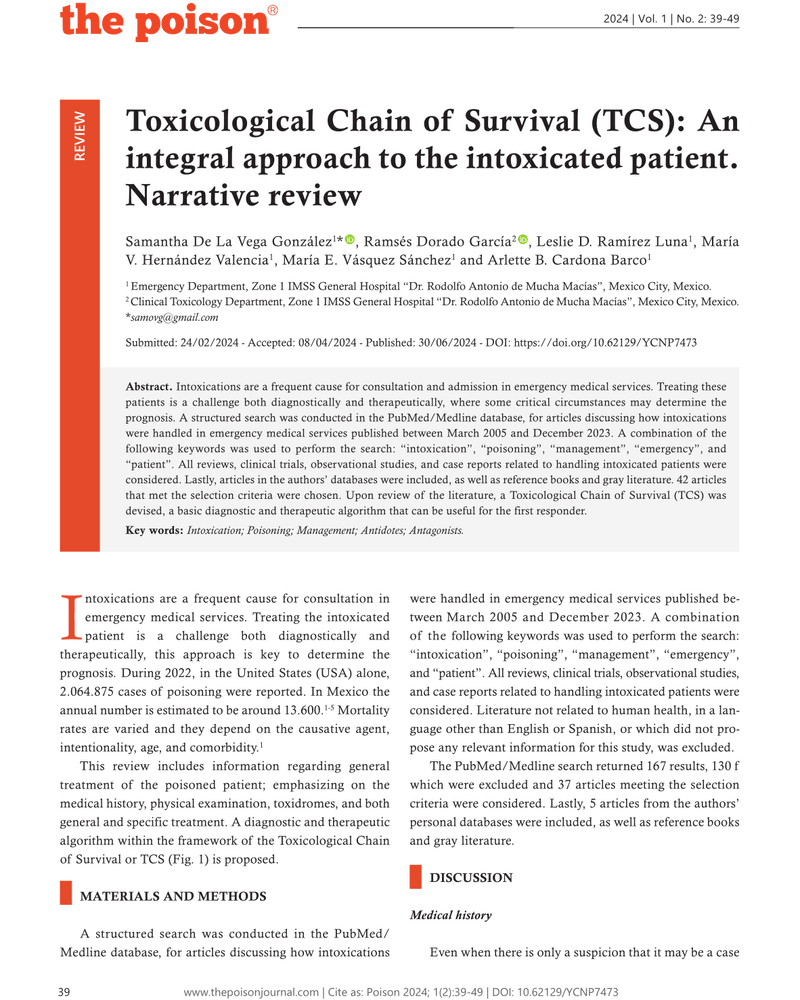
TOXICOLOGICAL CHAIN OF SURVIVAL (TCS): AN INTEGRAL APPROACH TO THE INTOXICATED PATIENT. NARRATIVE REVIEW
Same clinical topic · Emergency Medicine
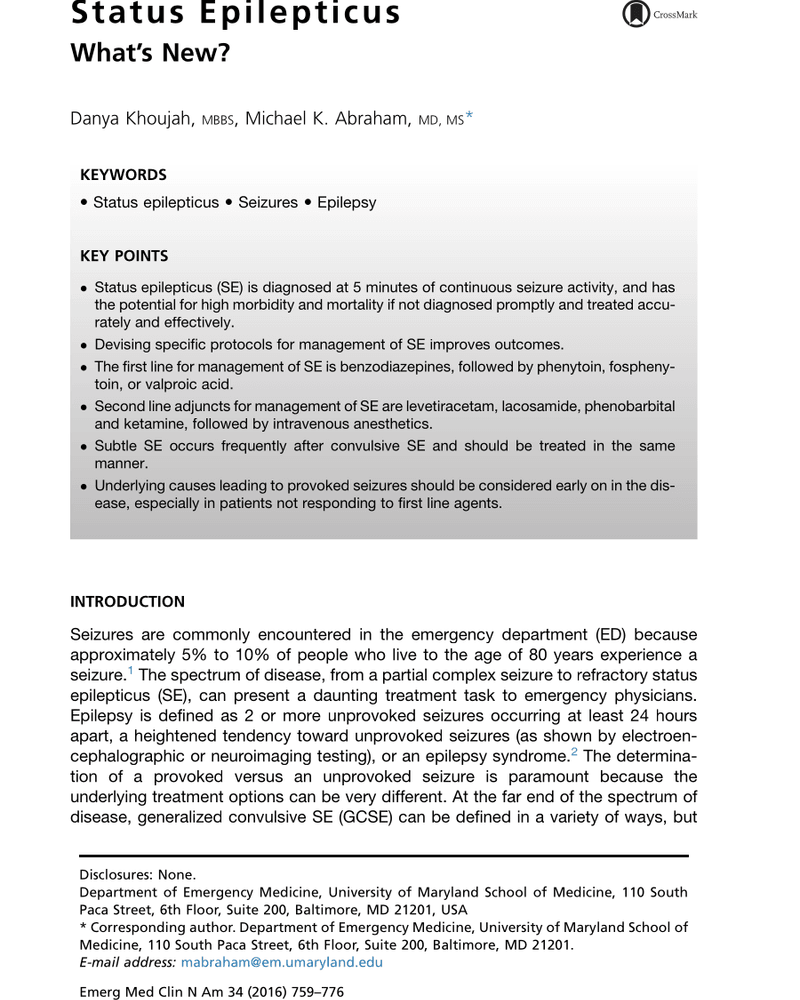
FAILURES IN THE MANAGEMENT OF STATUS EPILEPTICUS
Same clinical topic · Emergency Medicine
A Review of Bicarbonate Use in Common Clinical Scenarios
Same clinical topic · Emergency Medicine