Please wait while we open this resource.


K

Clinical reviews
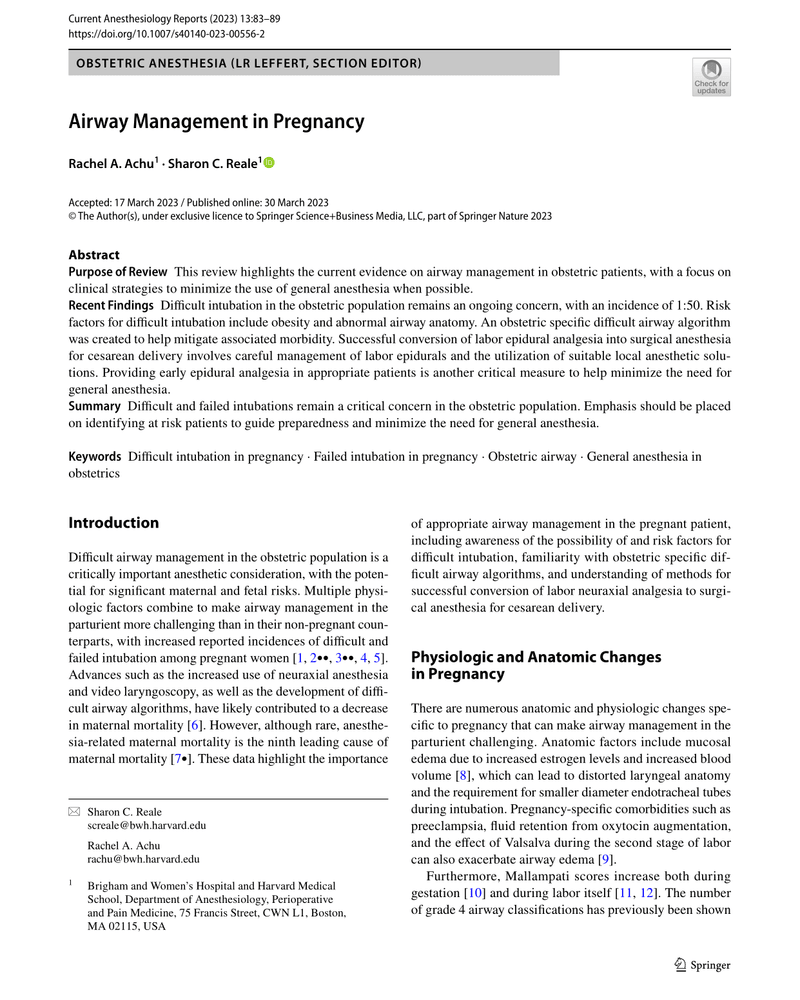
AIRWAY MANAGEMENT IN PREGNANCY
Rachel A. Achu, Sharon C. Reale
PDF20237 pages799 KB
Difficult airway management in the obstetric population is critically important due to the potential for significant maternal and fetal risks. The review discusses the incidence of difficult intubation in pregnant women and outlines risk factors such as obesity and abnormal airway anatomy. It emphasizes the importance of identifying at-risk patients and provides an obstetric-specific difficult airway algorithm to mitigate associated morbidity. The successful conversion of labor epidural analgesia into surgical anesthesia for cesarean delivery is also addressed as a key strategy to avoid general anesthesia.
Sign in to open
Ask this resource
Answers use this document only.
Your first question is free.
More like this
Resources from the same specialty and type. Curated links will replace these when added.
Clinical Resources
Documents that extend or complement this resource.

MEDICO-LEGAL ISSUES IN OBSTETRICS & GYNECOLOGY INCLUDING GBV
Same clinical topic · Obstetrics
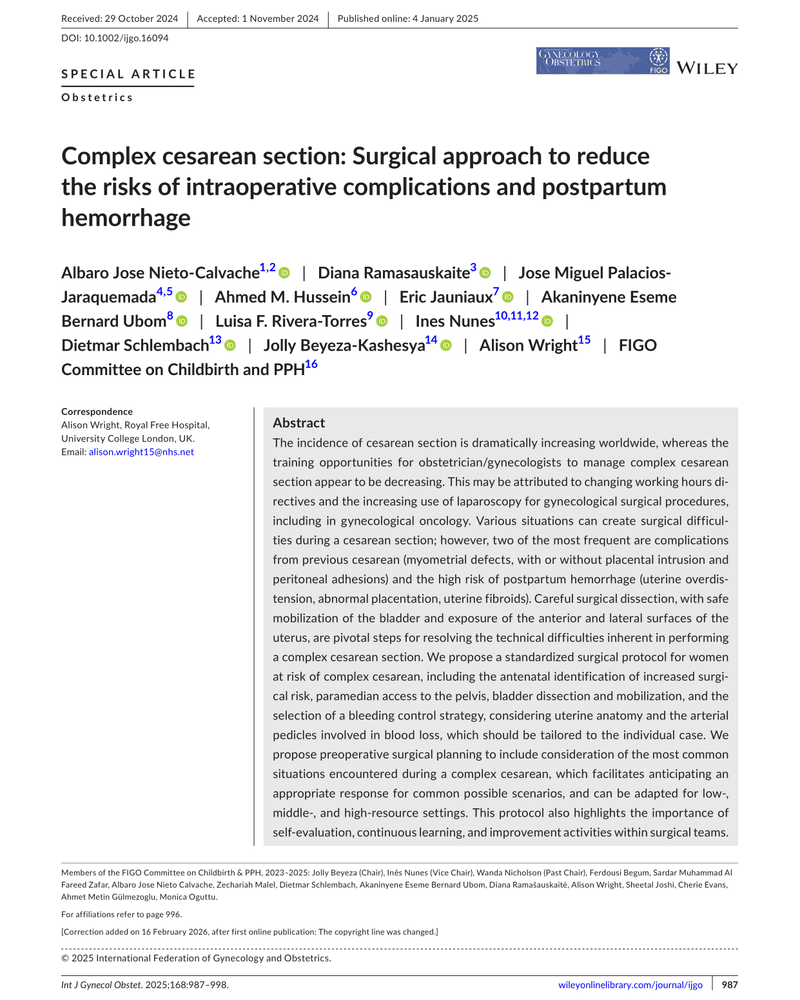
COMPLEX CESAREAN SECTION: SURGICAL APPROACH TO REDUCE THE RISKS OF INTRAOPERATIVE COMPLICATIONS AND POSTPARTUM HEMORRHAGE
Same clinical topic · Obstetrics
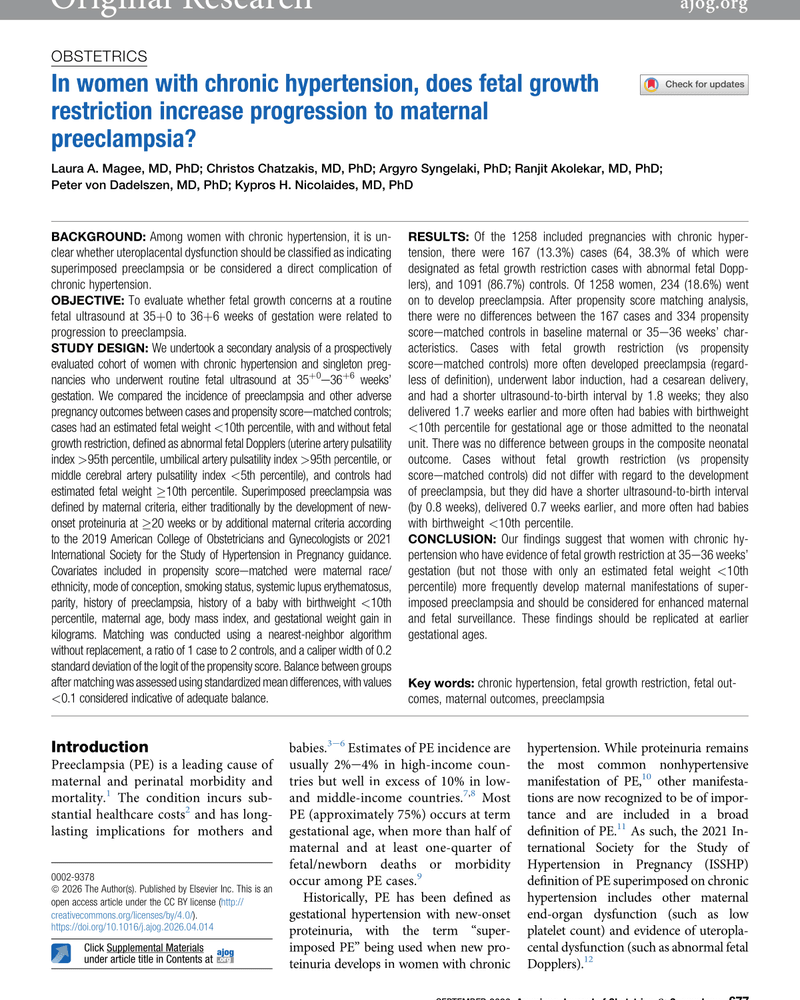
IN WOMEN WITH CHRONIC HYPERTENSION, DOES FETAL GROWTH RESTRICTION INCREASE PROGRESSION TO MATERNAL PREECLAMPSIA?
Same clinical topic · Obstetrics
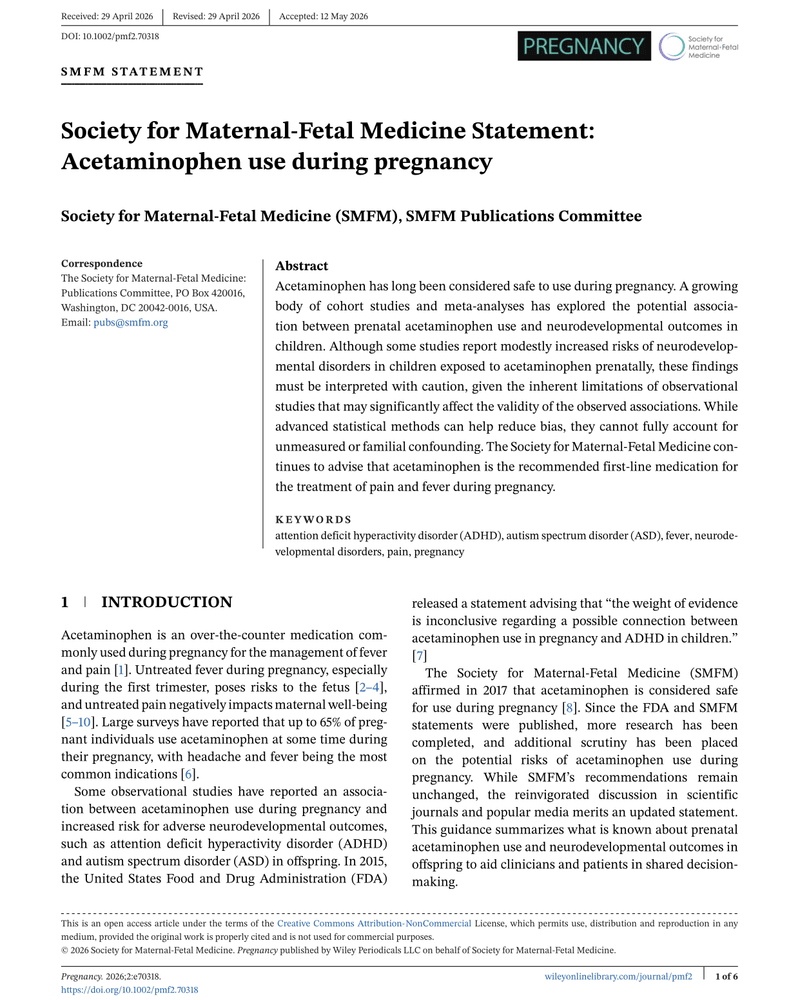
SOCIETY FOR MATERNAL-FETAL MEDICINE STATEMENT: ACETAMINOPHEN USE DURING PREGNANCY
Same clinical topic · Obstetrics
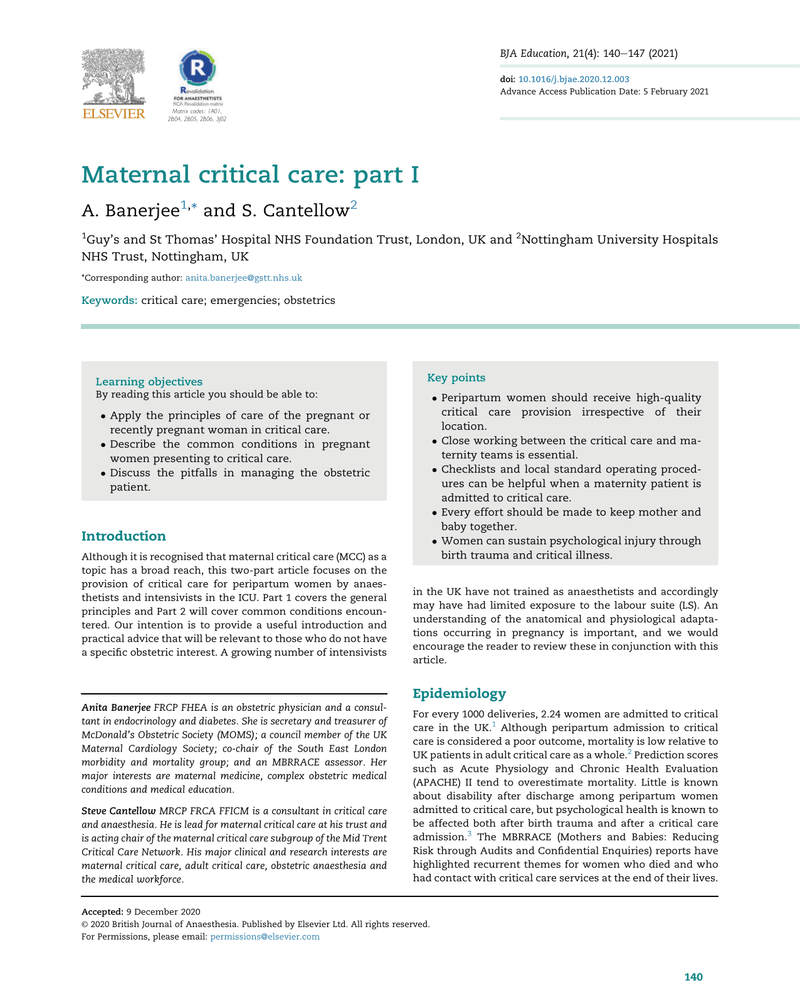
MATERNAL CRITICAL CARE: PART I
Same clinical topic · Obstetrics
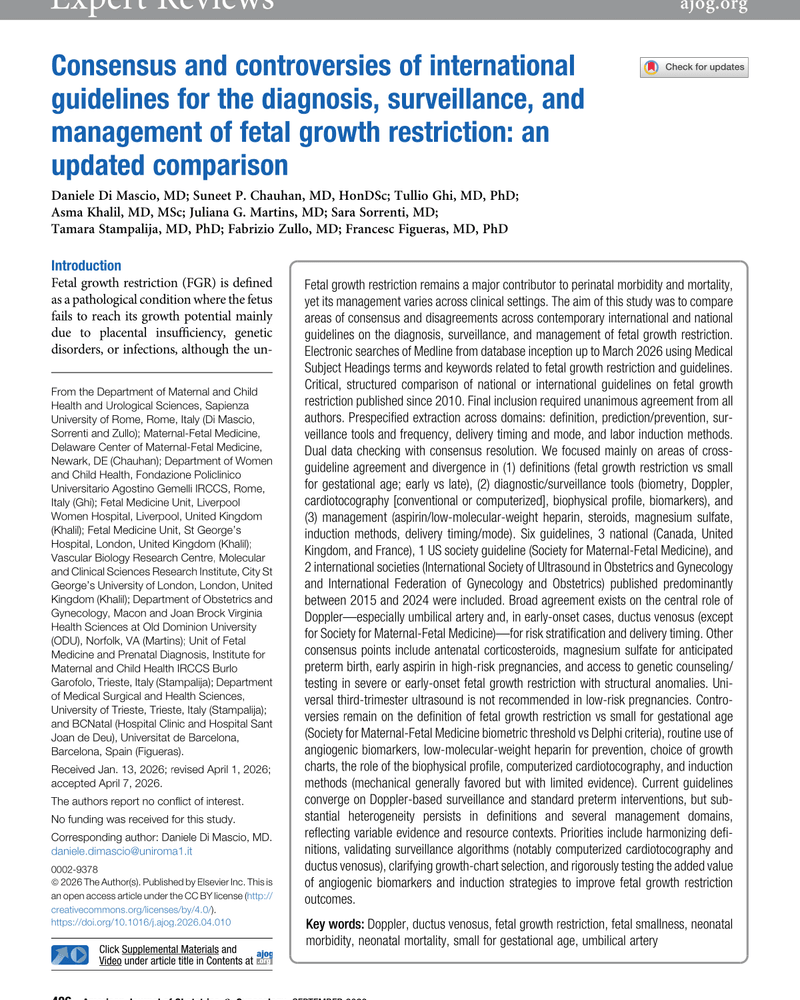
CONSENSUS AND CONTROVERSIES OF INTERNATIONAL GUIDELINES FOR THE DIAGNOSIS, SURVEILLANCE, AND MANAGEMENT OF FETAL GROWTH RESTRICTION: AN UPDATED COMPARISON
Same clinical topic · Obstetrics
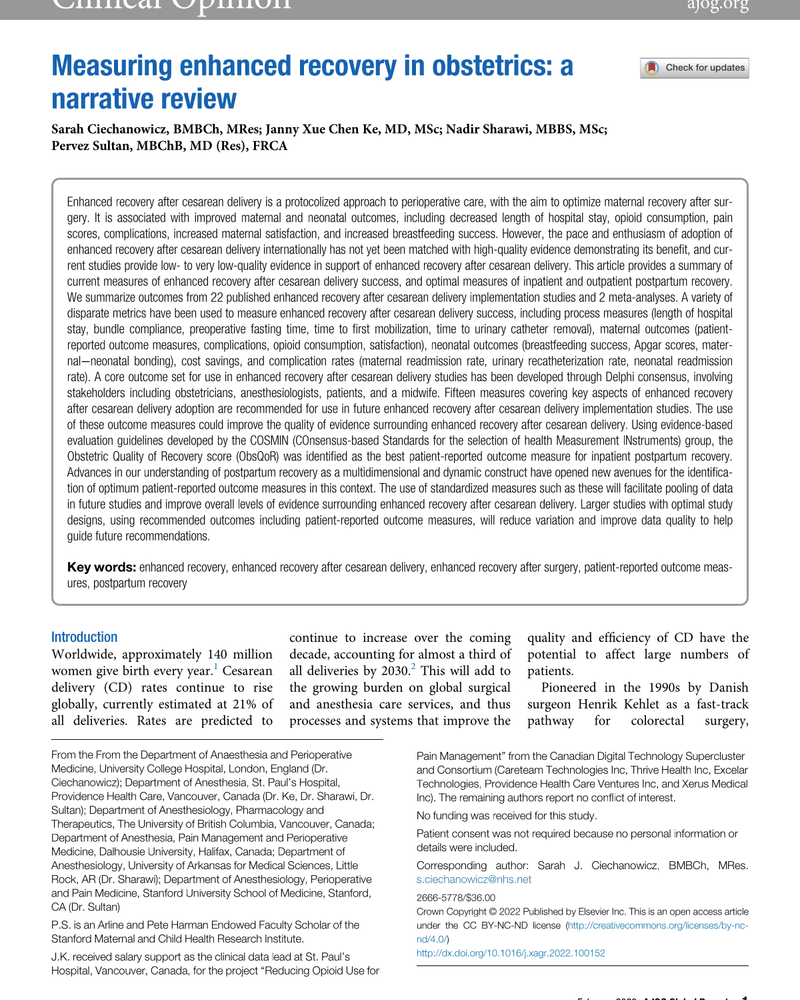
MEASURING ENHANCED RECOVERY IN OBSTETRICS: A NARRATIVE REVIEW
Same clinical topic · Obstetrics
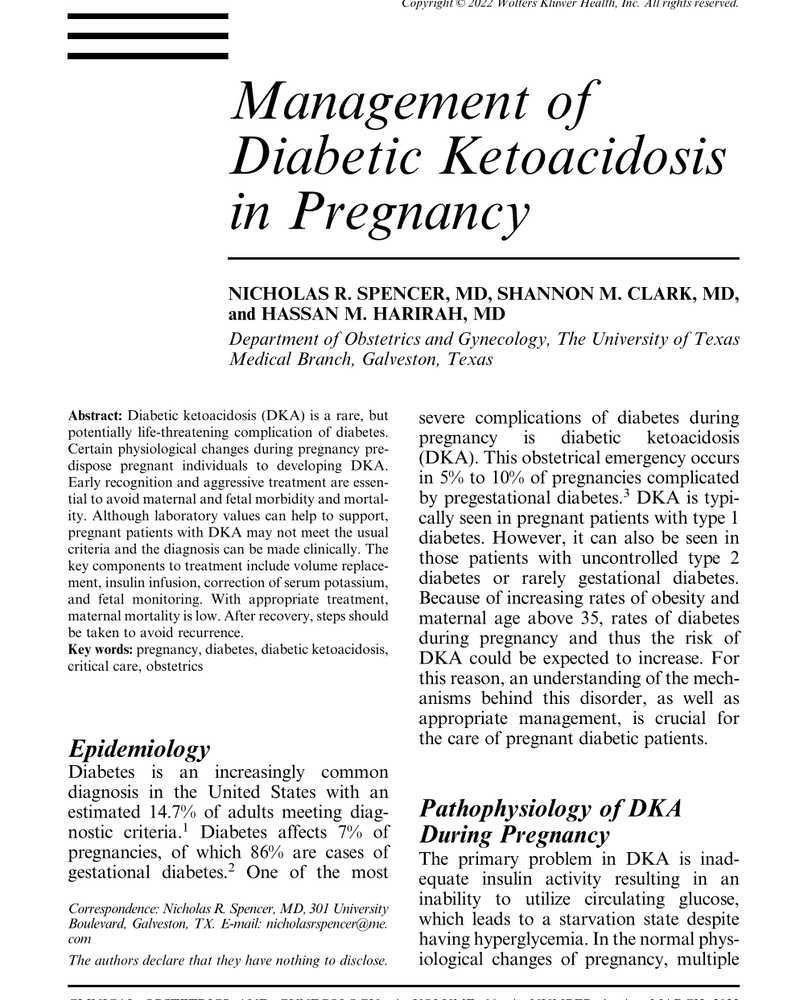
MANAGEMENT OF DIABETIC KETOACIDOSIS IN PREGNANCY
Same clinical topic · Obstetrics
MATERNAL CRITICAL CARE: PART II
Same clinical topic · Obstetrics