Please wait while we open this resource.


K

Clinical reviews
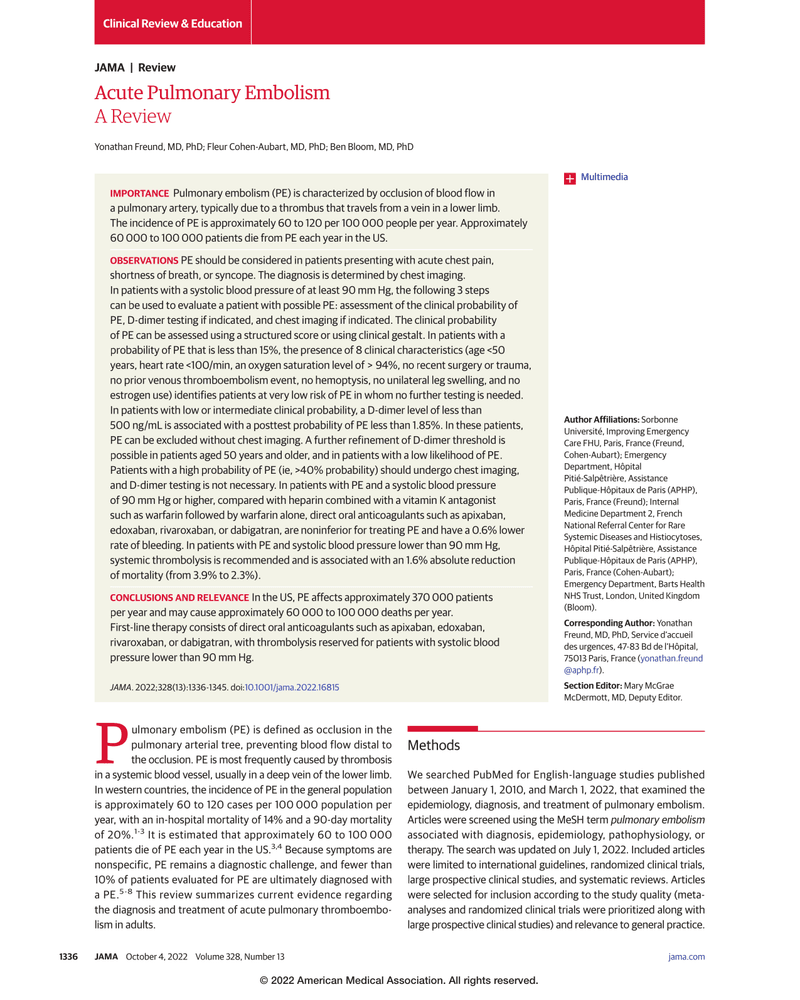
ACUTE PULMONARY EMBOLISM: A REVIEW
null
PDF202210 pages376 KB
Pulmonary embolism (PE) is a critical condition characterized by the obstruction of blood flow in a pulmonary artery, often due to a thrombus from the lower limbs. The review highlights the incidence of PE, its clinical presentation, and the diagnostic approach, including the use of clinical probability assessments and D-dimer testing. It also discusses management strategies, including anticoagulation therapy and considerations for outpatient treatment in low-risk patients.
Sign in to open
Ask this resource
Answers use this document only.
Your first question is free.
More like this
Resources from the same specialty and type. Curated links will replace these when added.
Clinical Resources
Documents that extend or complement this resource.
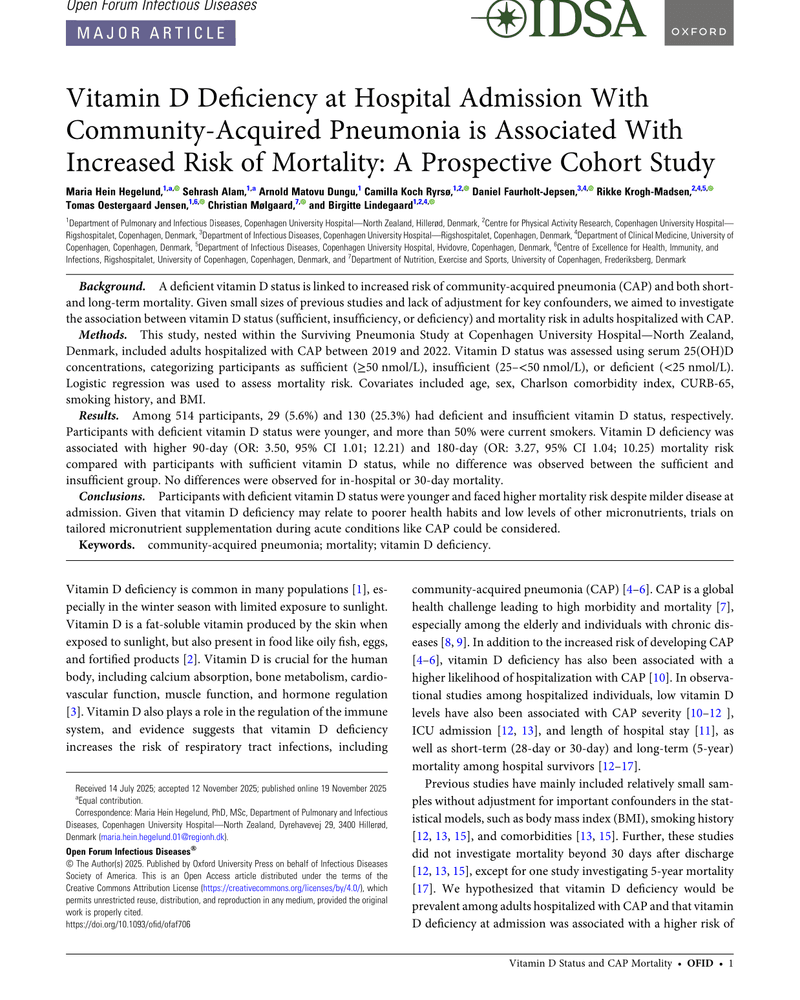
VITAMIN D DEFICIENCY AT HOSPITAL ADMISSION WITH COMMUNITY-ACQUIRED PNEUMONIA IS ASSOCIATED WITH INCREASED RISK OF MORTALITY: A PROSPECTIVE COHORT STUDY
Same clinical topic · Pulmonary Medicine
MANAGEMENT OF ARDS – WHAT WORKS AND WHAT DOES NOT
Same clinical topic · Pulmonary Medicine
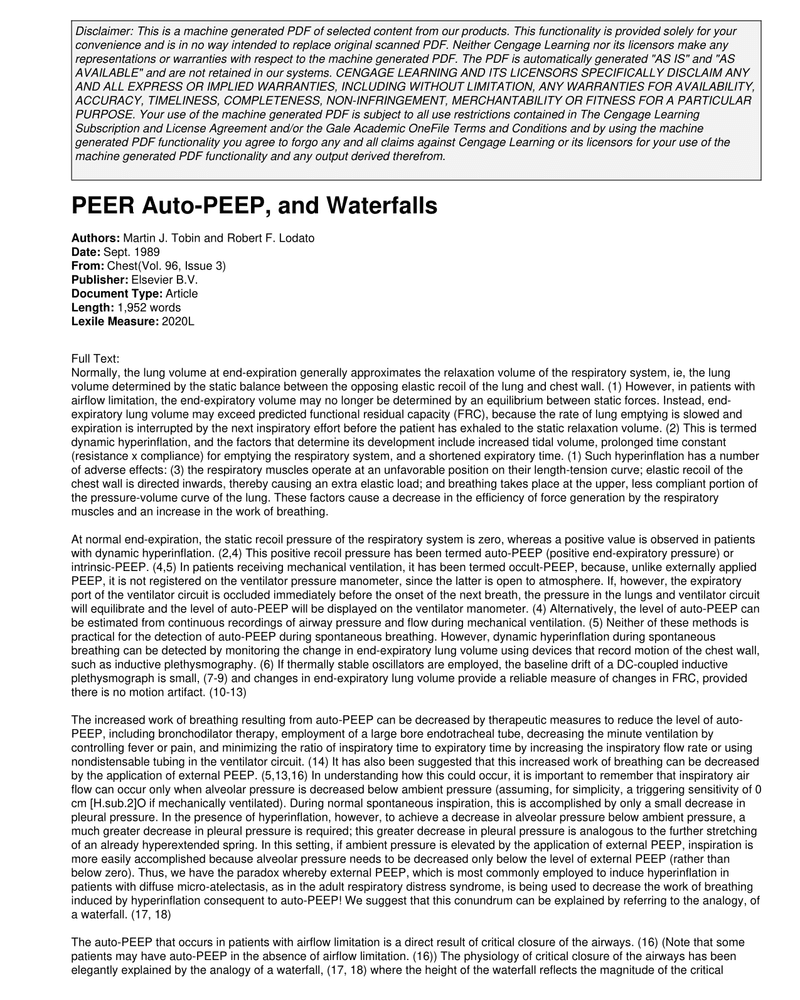
PEER AUTO-PEEP, AND WATERFALLS
Same clinical topic · Pulmonary Medicine
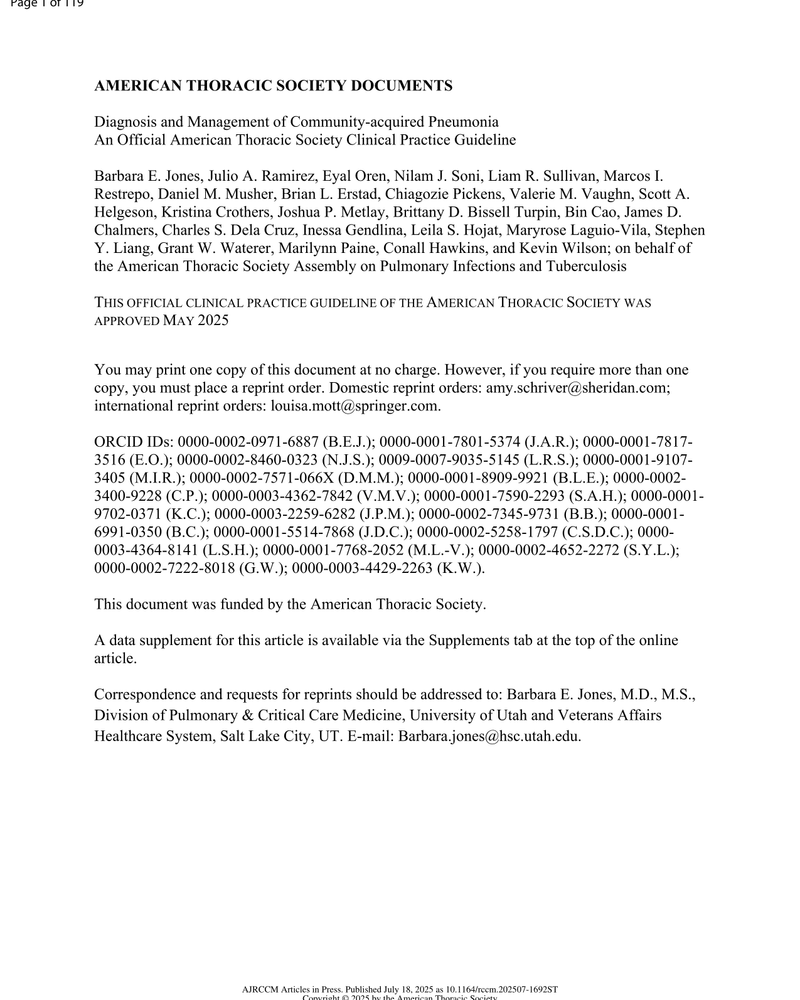
DIAGNOSIS AND MANAGEMENT OF COMMUNITY-ACQUIRED PNEUMONIA
Same specialty · Pulmonary Medicine

Traumatic Brain Injury
Same resource type · Neurology
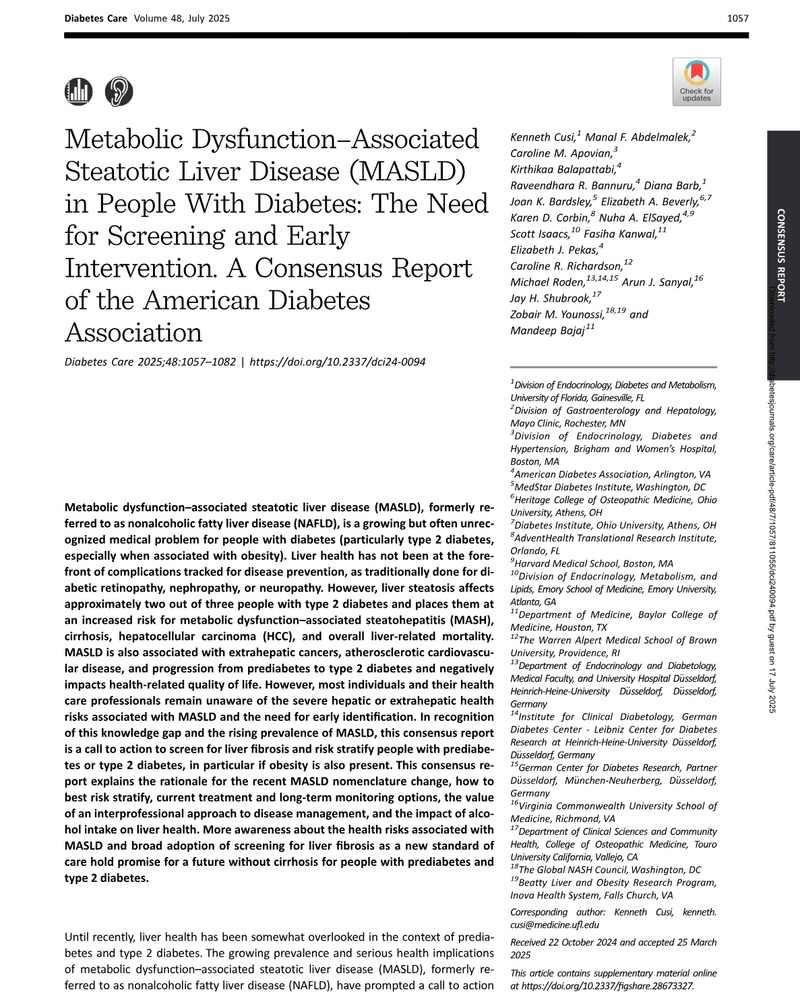
ADA Consensus Report: MASLD in People With Diabetes
Same resource type · Endocrinology
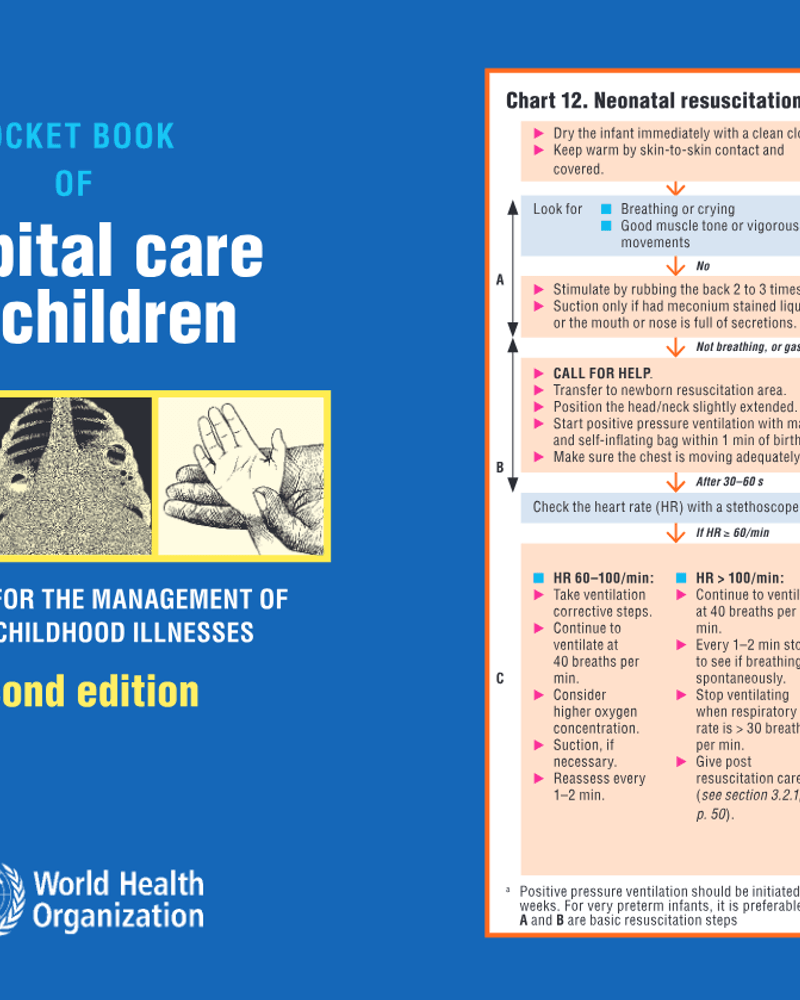
Hospital Care for Children Guidelines
Same resource type · Pediatrics
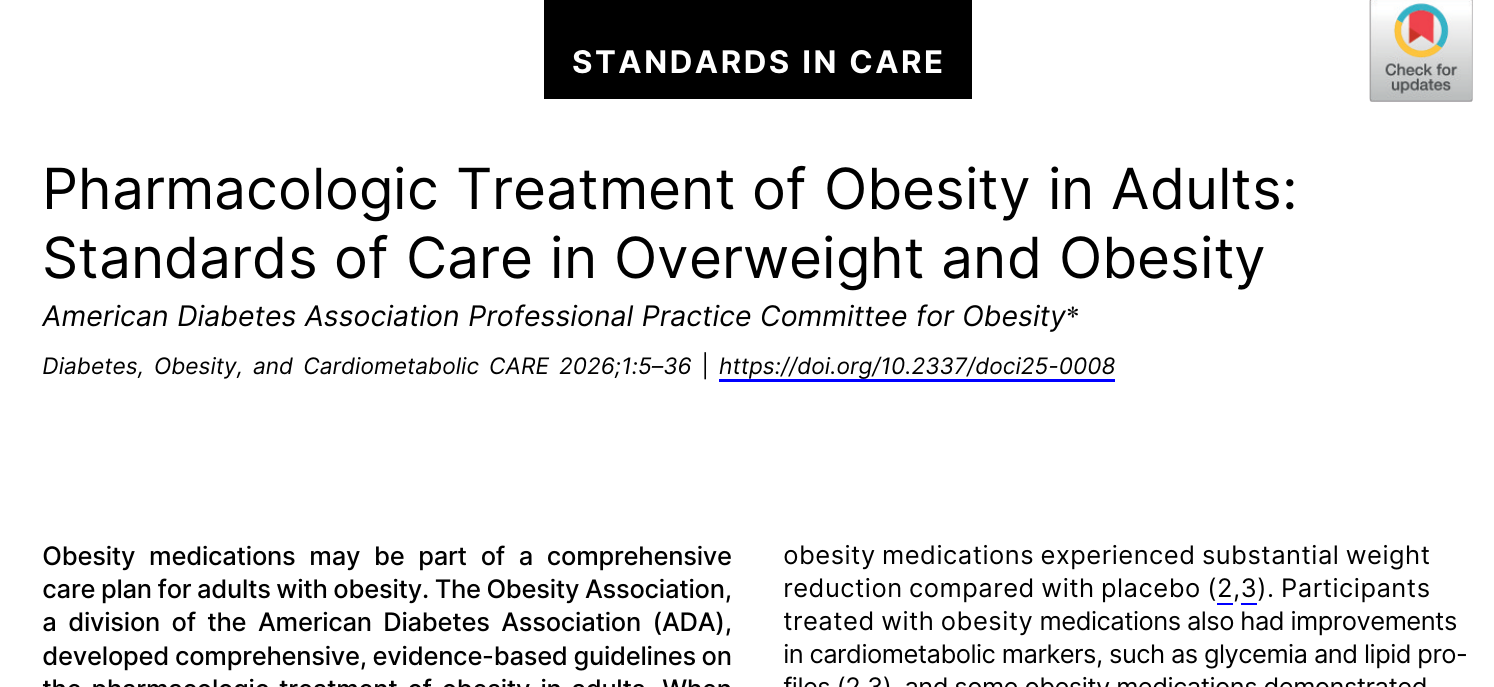
Management of Obesity
Same resource type
Classification of the Epilepsies
Same resource type · Neurology