Please wait while we open this resource.


K

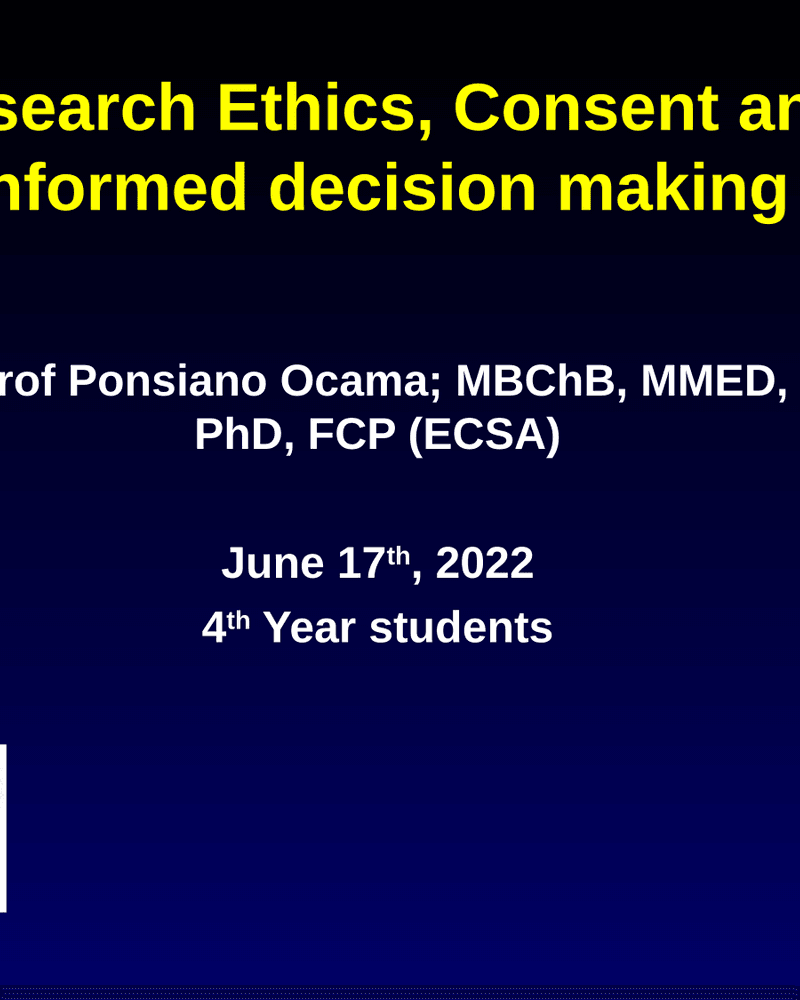
Lecture slides
Reserach Ethics, consnet and and informed decision making March
Prof Ponsiano Ocama
PPTX202222 pages165 KB
This presentation defines ethics and its principles, including autonomy, beneficence, and justice, as applied to research involving human participants. It details historical ethical breaches like the Nazi experiments and the Tuskegee Syphilis Study, which led to the development of crucial ethical guidelines such as the Nuremberg Code, the Helsinki Declaration, and the Belmont Report. The document also explains the function of Research Ethics Committees (RECs) or Institutional Review Boards (IRBs) in safeguarding participants' rights and welfare, and elaborates on the components and importance of informed consent, including elements of information, understanding, and voluntary choice.
Sign in to open
Ask this resource
Answers use this document only.
Your first question is free.
More like this
Resources from the same specialty and type. Curated links will replace these when added.
Clinical Resources
Documents that extend or complement this resource.
LABORATORY TEACHING
Same clinical topic · General Medicine
INFECTION PREVENTION AND CONTROL FOR HEALTH CARE WORKERS
Same clinical topic · General Medicine
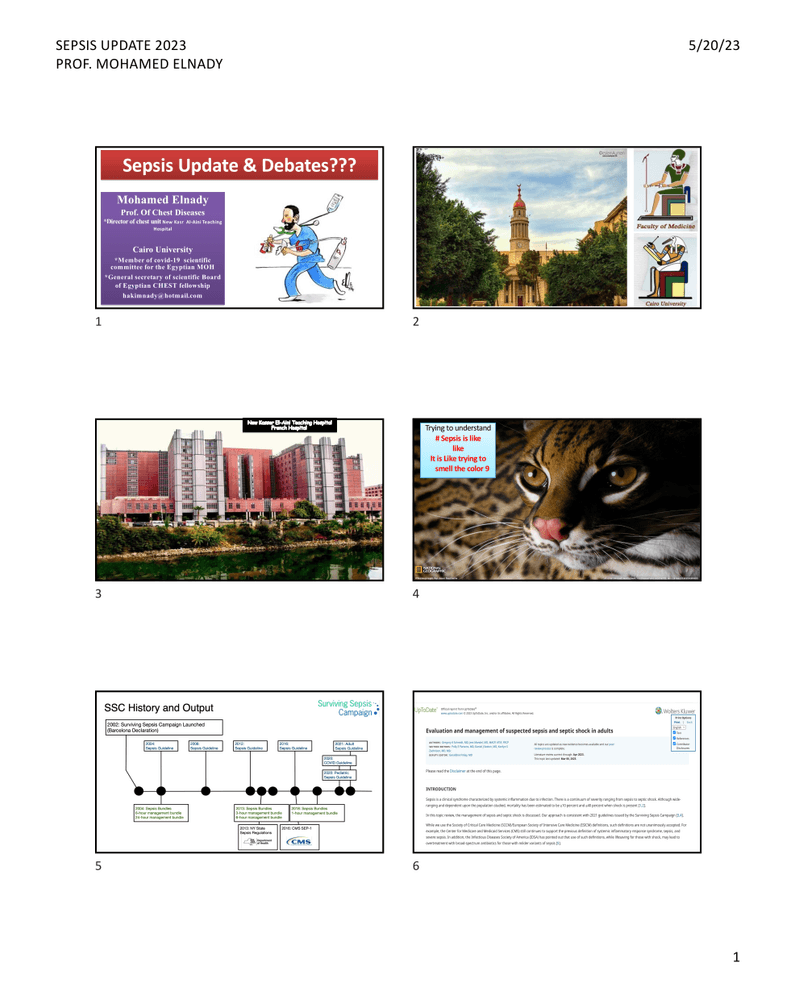
SEPSIS 2023
Same clinical topic · General Medicine
Ambulatory Board 2022 (مبادرة الصيادلة)
Same clinical topic · General Medicine
INTRODUCTION TO VIROLOGY
Same clinical topic · General Medicine
GTD
Same clinical topic · General Medicine
bronchial asthma
Same clinical topic · General Medicine

Graduation book-compressed
Same clinical topic · General Medicine

SEPTIC SHOCk real 2 (2)
Same clinical topic · General Medicine