Please wait while we open this resource.


K

Clinical reviews
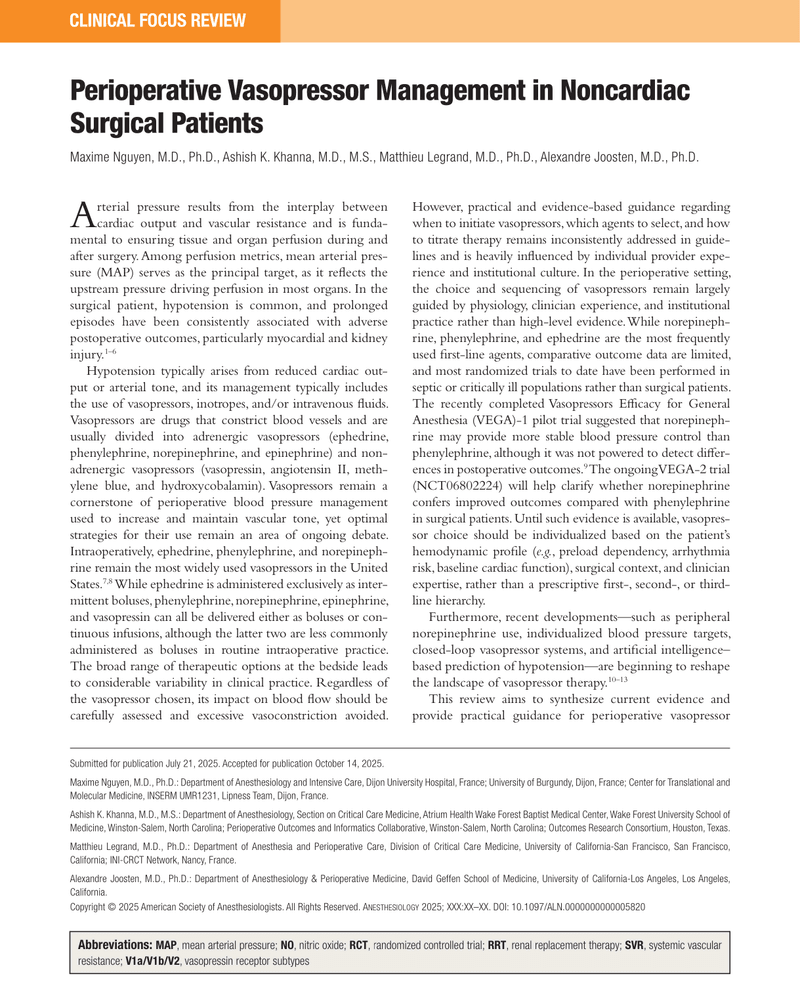
PERIOPERATIVE VASOPRESSOR MANAGEMENT IN NONCARDIAC SURGICAL PATIENTS
Dr. Legrand
PDF13 pages1.5 MB
The management of arterial pressure is crucial during noncardiac surgeries to prevent adverse postoperative outcomes. Hypotension is common in surgical patients and can lead to significant complications, including myocardial and kidney injury. The document reviews the types of vasopressors used, their mechanisms, and the variability in clinical practice regarding their administration. It also highlights the need for evidence-based protocols to optimize vasopressor use in various perioperative contexts.
Sign in to open
Ask this resource
Answers use this document only.
Your first question is free.
More like this
Resources from the same specialty and type. Curated links will replace these when added.
Clinical Resources
Documents that extend or complement this resource.
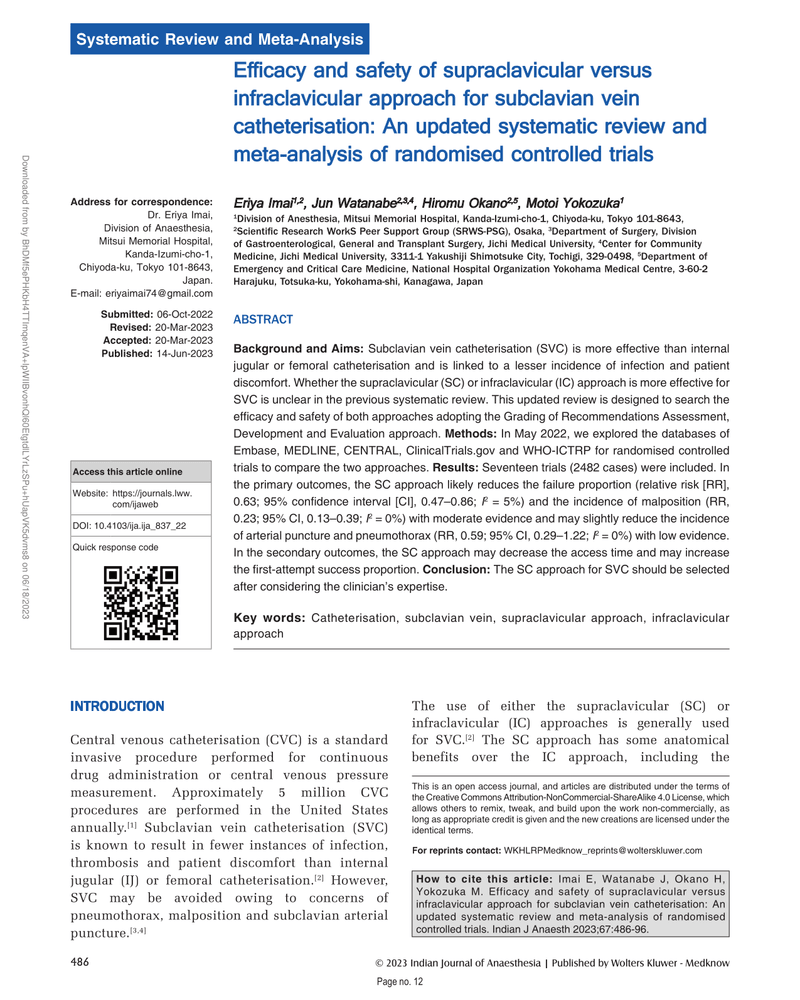
Efficacy and safety of supraclavicular versus infraclavicular approach for subclavian vein catheterisation: An updated systematic review and meta-analysis of randomised controlled trials
Same clinical topic · Anesthesiology
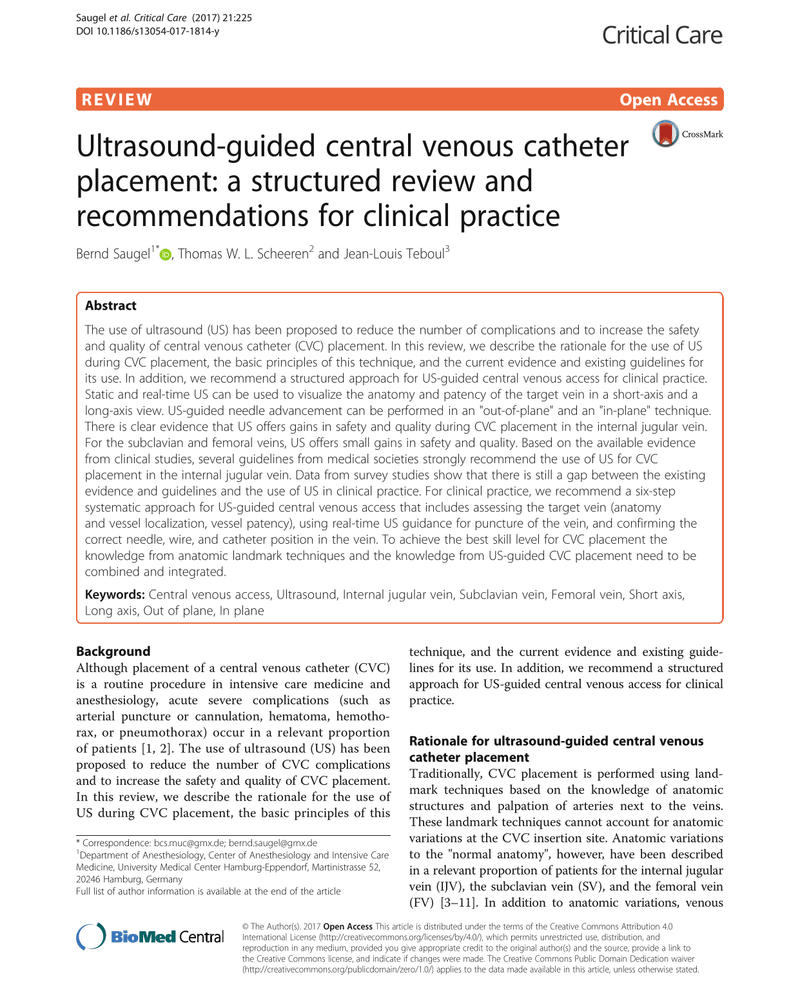
ULTRASOUND-GUIDED CENTRAL VENOUS CATHETER PLACEMENT: A STRUCTURED REVIEW AND RECOMMENDATIONS FOR CLINICAL PRACTICE
Same clinical topic · Anesthesiology
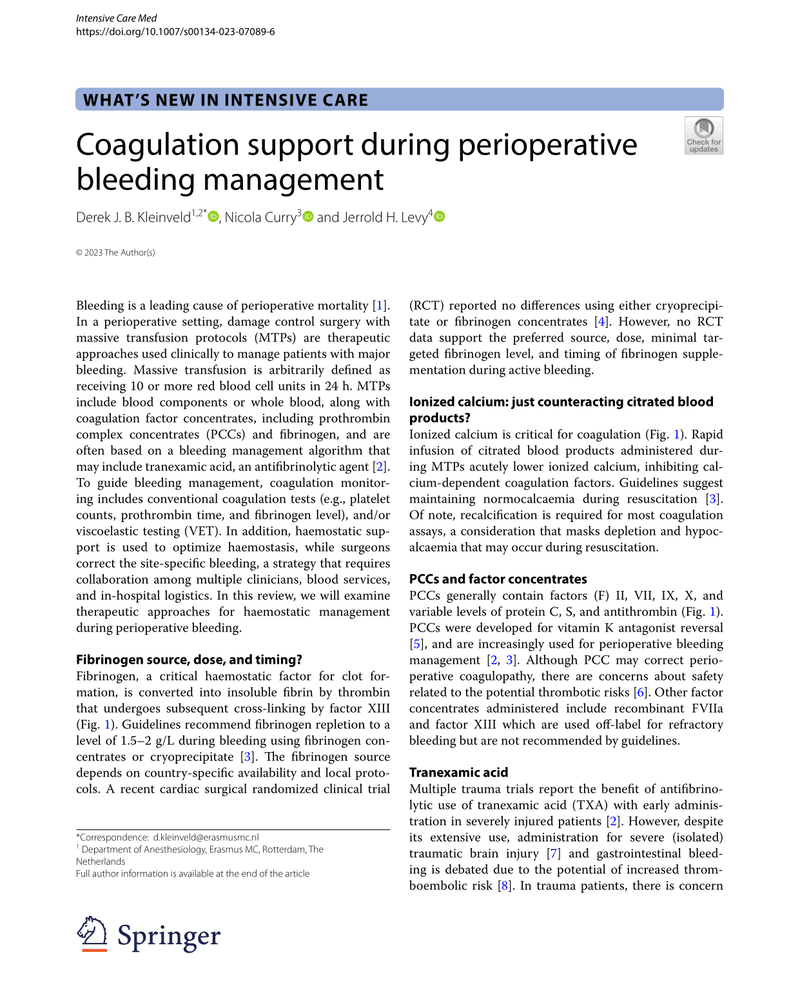
COAGULATION SUPPORT DURING PERIOPERATIVE BLEEDING MANAGEMENT
Same clinical topic · Anesthesiology
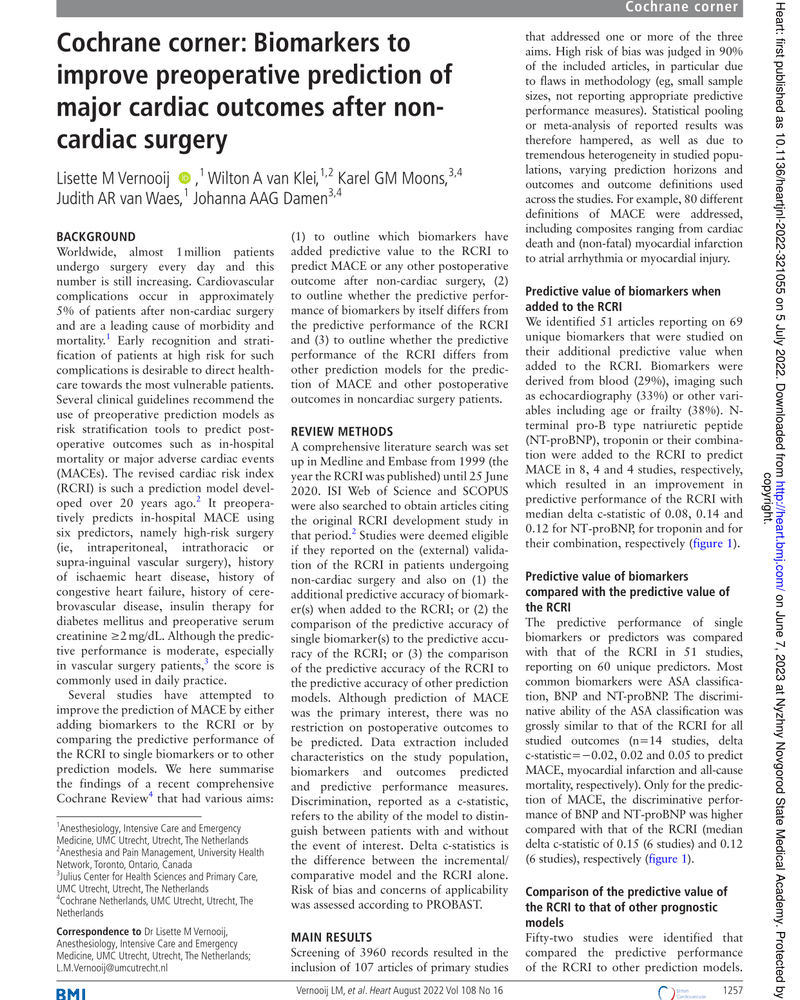
BIOMARKERS TO IMPROVE PREOPERATIVE PREDICTION OF MAJOR CARDIAC OUTCOMES AFTER NON-CARDIAC SURGERY
Same clinical topic · Anesthesiology
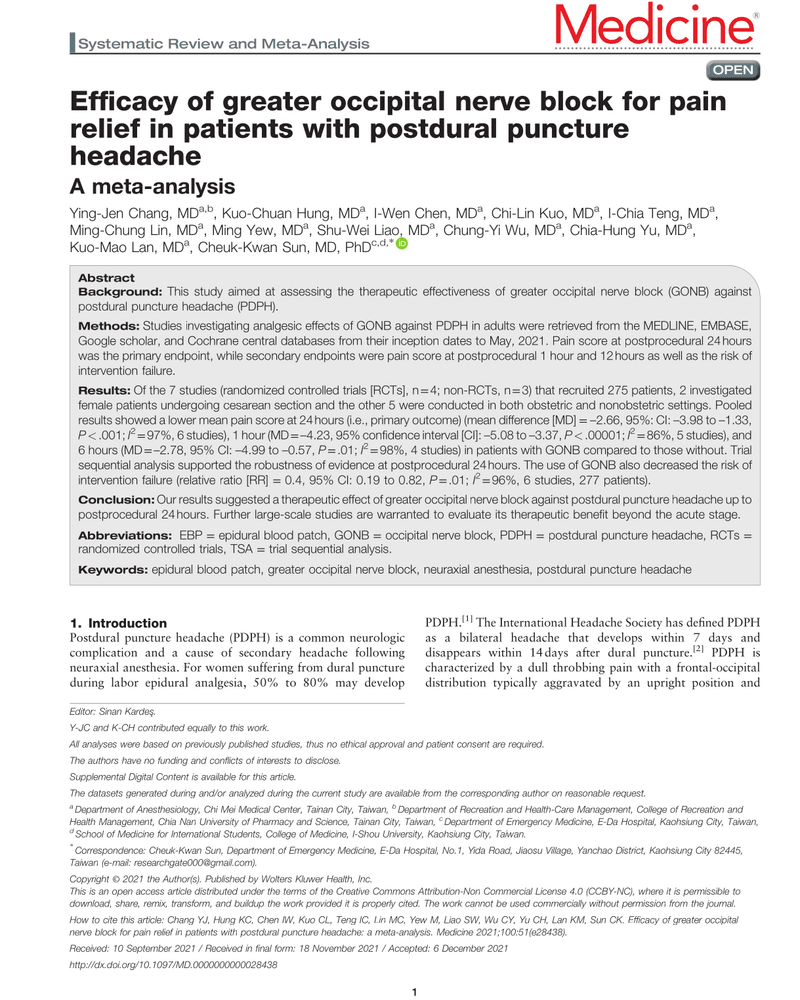
EFFICACY OF GREATER OCCIPITAL NERVE BLOCK FOR PAIN RELIEF IN PATIENTS WITH POSTDURAL PUNCTURE HEADACHE
Same clinical topic · Anesthesiology
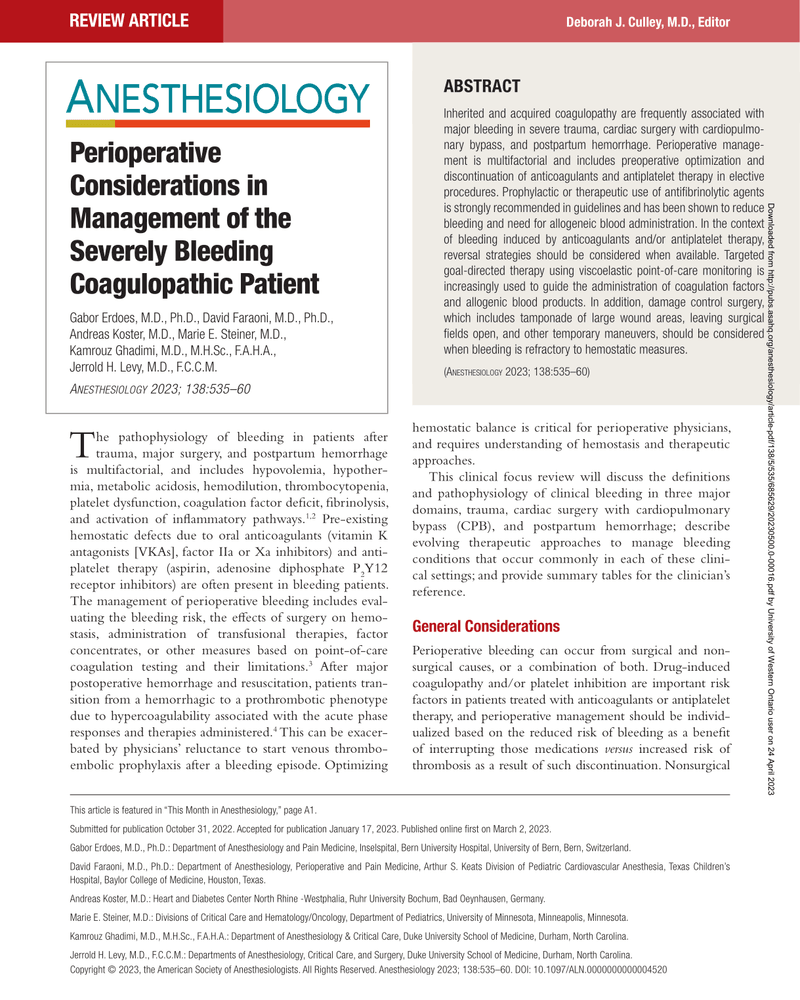
PERIOPERATIVE CONSIDERATIONS IN MANAGEMENT OF THE SEVERELY BLEEDING COAGULOPATHIC PATIENT
Same clinical topic · Anesthesiology
DRUG THERAPY FOR TREATING POST-DURAL PUNCTURE HEADACHE (REVIEW)
Same clinical topic · Anesthesiology
POST-DURAL PUNCTURE HEADACHE
Same clinical topic · Anesthesiology
OUT-OF-OR AIRWAY MANAGEMENT: ANTICIPATING AND MITIGATING PHYSIOLOGIC DIFFICULTY
Same clinical topic · Anesthesiology