Preparing your experience, please wait…


K

Clinical notes
PAEDIATRIC ANATOMY AND PHYSIOLOGY AND THE BASICS OF PAEDIATRIC ANAESTHESIA
Mater Children’s Hospital, Brisbane Australia
PDF12 pages102 KB
The document delves into the unique anatomical and physiological characteristics of pediatric patients, emphasizing why they are not simply "small adults" in the context of anesthesia. It systematically explores differences in the airway and respiratory system, including head size, tongue proportion, larynx position, nasal breathing preference, and the funnel-shaped, narrowest-at-the-cricoid airway. The text also touches upon the psychological aspects of surgery for different age groups and practical considerations for pre-operative visits, such as building rapport, taking histories, performing physical exams, and estimating weight for drug dosing.
No account needed
Ask this resource
Answers use this document only.
More like this
Resources from the same specialty and type. Curated links will replace these when added.
Clinical Resources
Documents that extend or complement this resource.
clinical anaesthesiology
Same clinical topic · Anesthesiology

ACUTE PAIN MANAGEMENT
Same clinical topic · Anesthesiology
ADMINISTRATION OF SUPPLEMENTAL OXYGEN
Same clinical topic · Anesthesiology

Adjuvants to Anaesthesia
Same clinical topic · Anesthesiology
Anaesthesia Types and Techniques
Same clinical topic · Anesthesiology

Anesthesia Pharmacology: Agents and Adjuncts
Same clinical topic · Anesthesiology
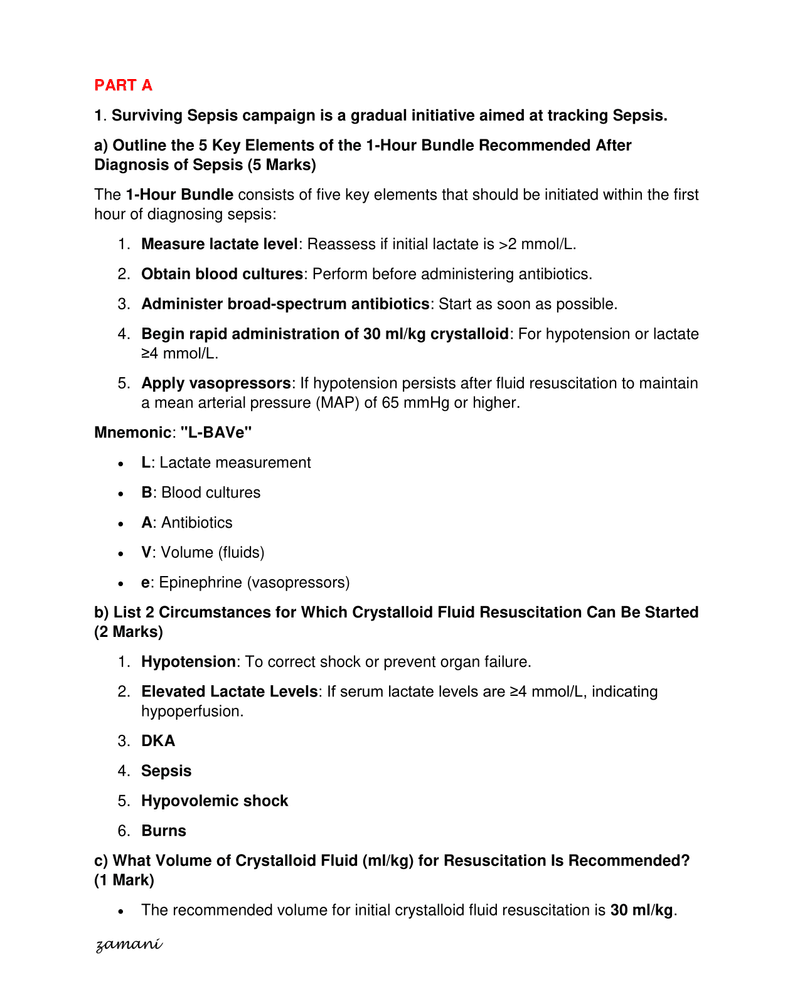
Anesthesia Short Answer Questions
Same specialty · Anesthesiology
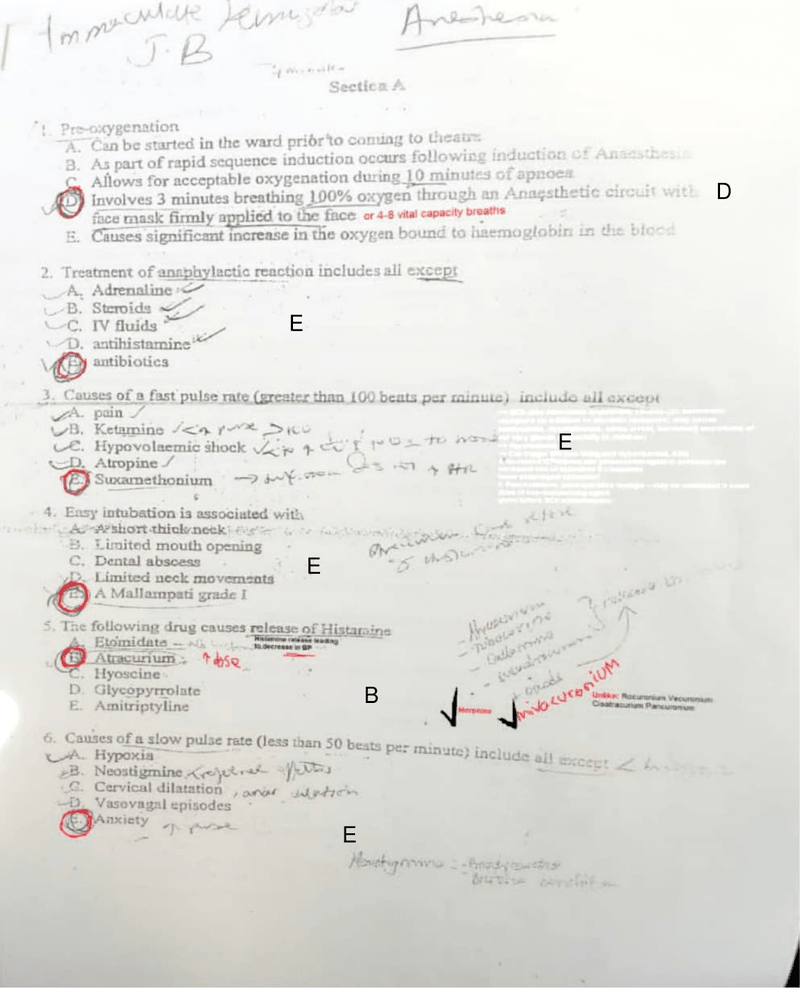
JB Anaesthesia MCQs
Same specialty · Anesthesiology
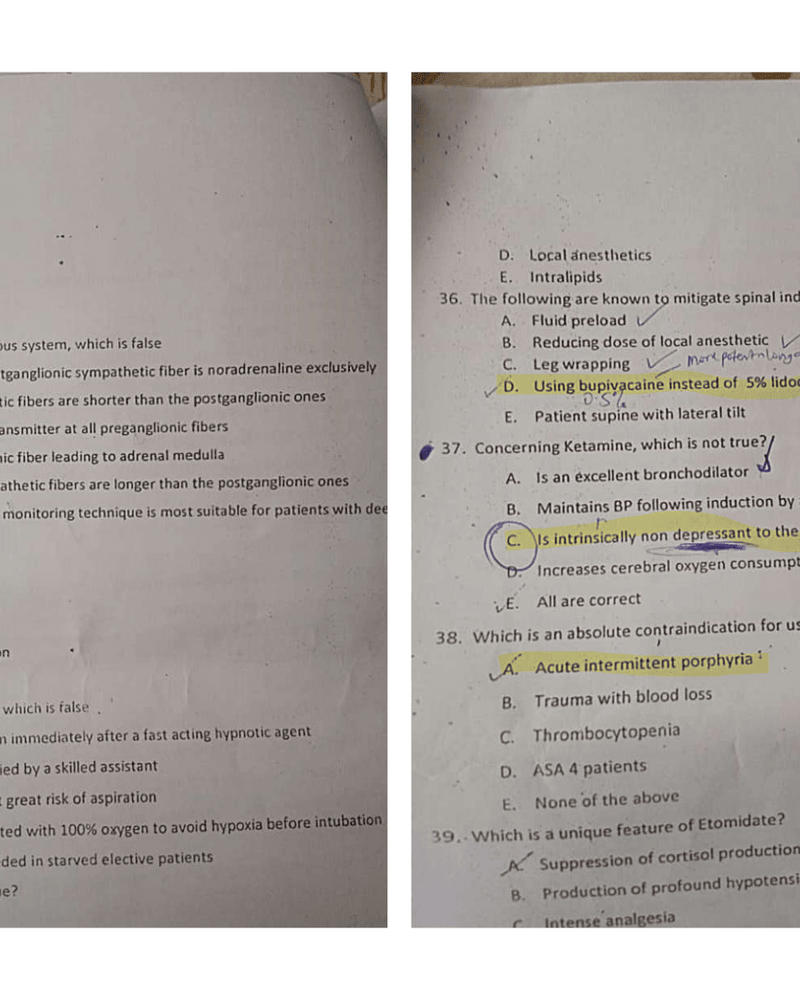
Obua
Same specialty · Anesthesiology