Please wait while we open this resource.


K

Clinical reviews
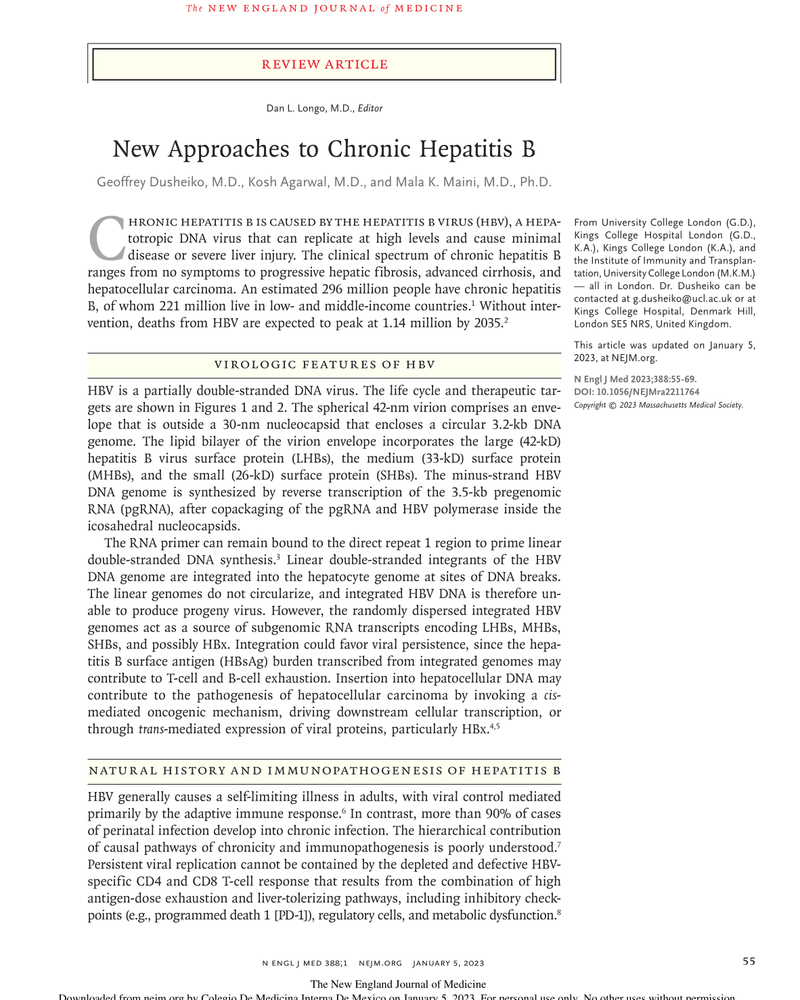
NEW APPROACHES TO CHRONIC HEPATITIS B
University College London, Kings College Hospital London
PDF202315 pages3.2 MB
Chronic hepatitis B is caused by the hepatitis B virus (HBV), which can lead to a range of clinical outcomes from asymptomatic infection to severe liver disease, including cirrhosis and hepatocellular carcinoma. The article provides an in-depth analysis of the virus's life cycle, therapeutic targets, and emerging treatment strategies, particularly focusing on RNA interference and novel therapeutic agents. It emphasizes the need for effective management strategies, especially in low- and middle-income countries where the disease burden is highest.
Sign in to open
Ask this resource
Answers use this document only.
Your first question is free.
More like this
Resources from the same specialty and type. Curated links will replace these when added.
Clinical Resources
Documents that extend or complement this resource.

Hepatitis E Virus, Second Edition (Springer, 2023)
Same clinical topic · Hepatology
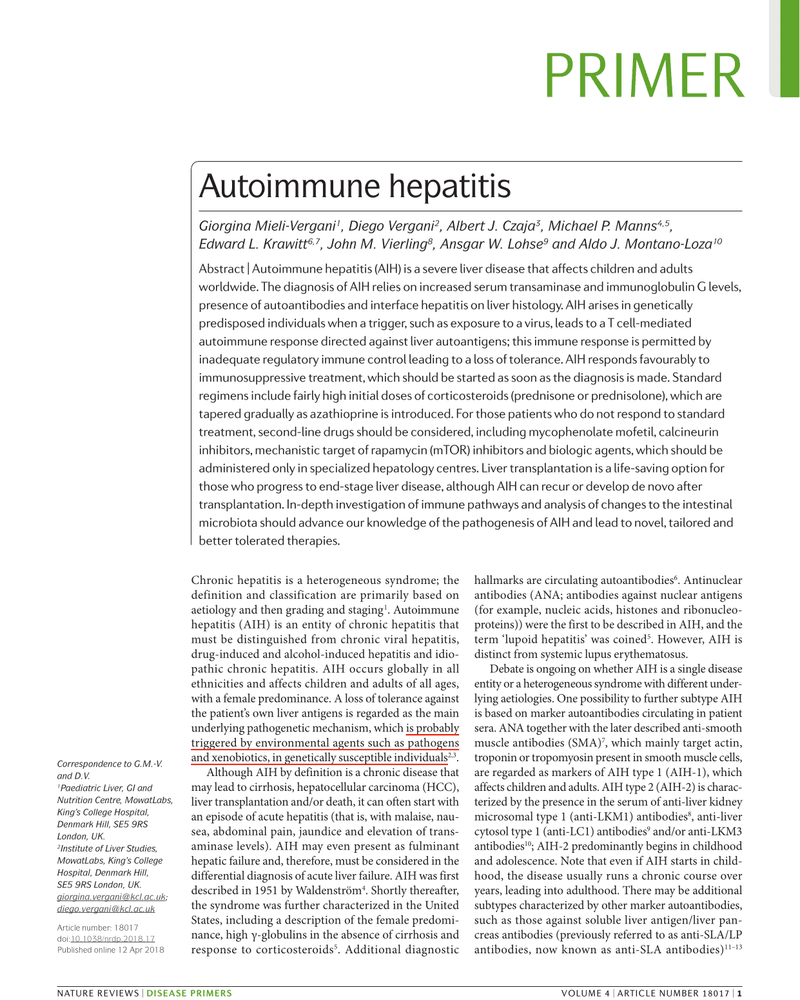
AUTOIMMUNE HEPATITIS
Same clinical topic · Hepatology
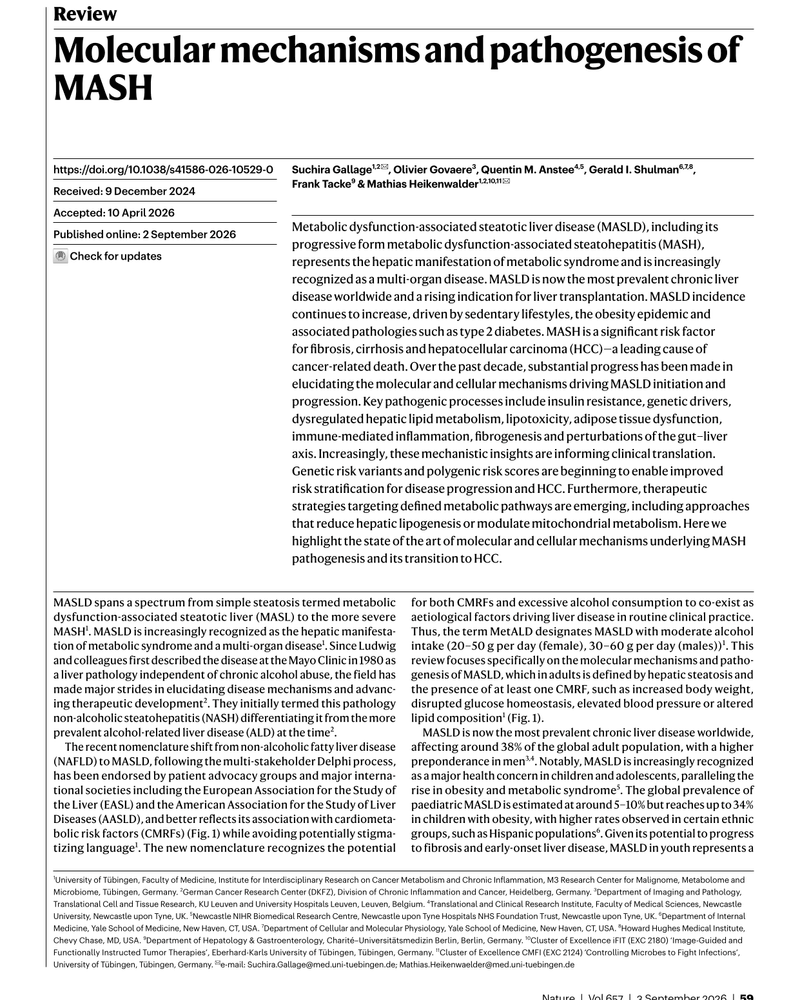
MOLECULAR MECHANISMS AND PATHOGENESIS OF MASH
Same clinical topic · Hepatology
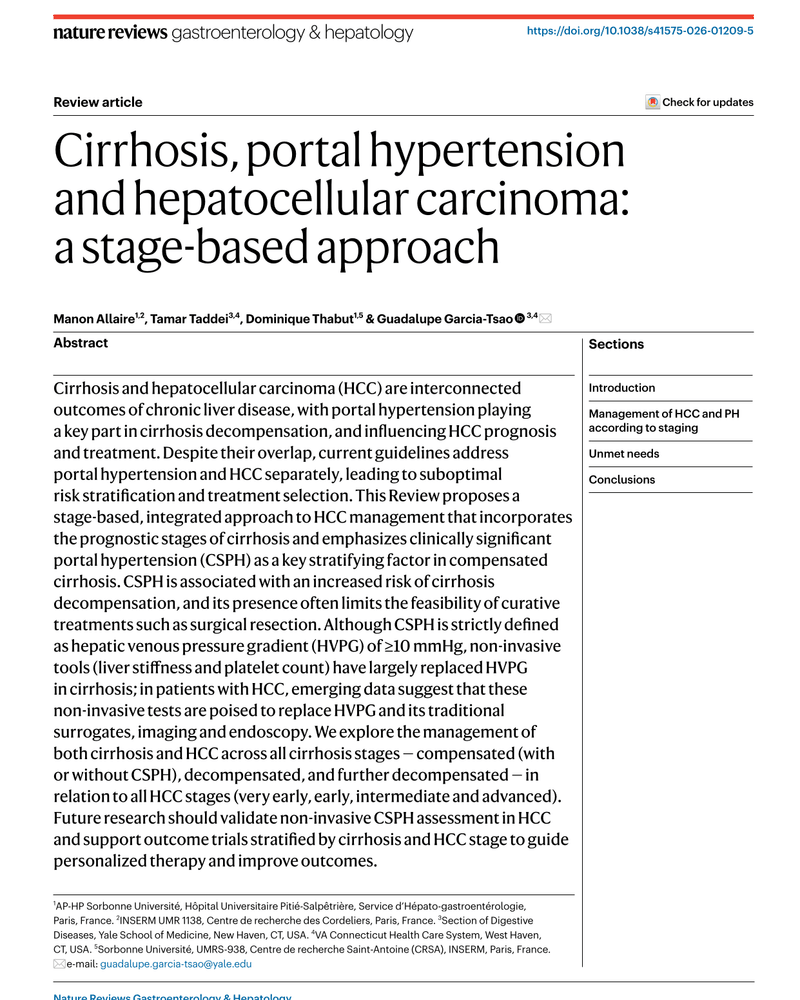
CIRRHOSIS, PORTAL HYPERTENSION AND HEPATOCELLULAR CARCINOMA: A STAGE-BASED APPROACH
Same clinical topic · Hepatology
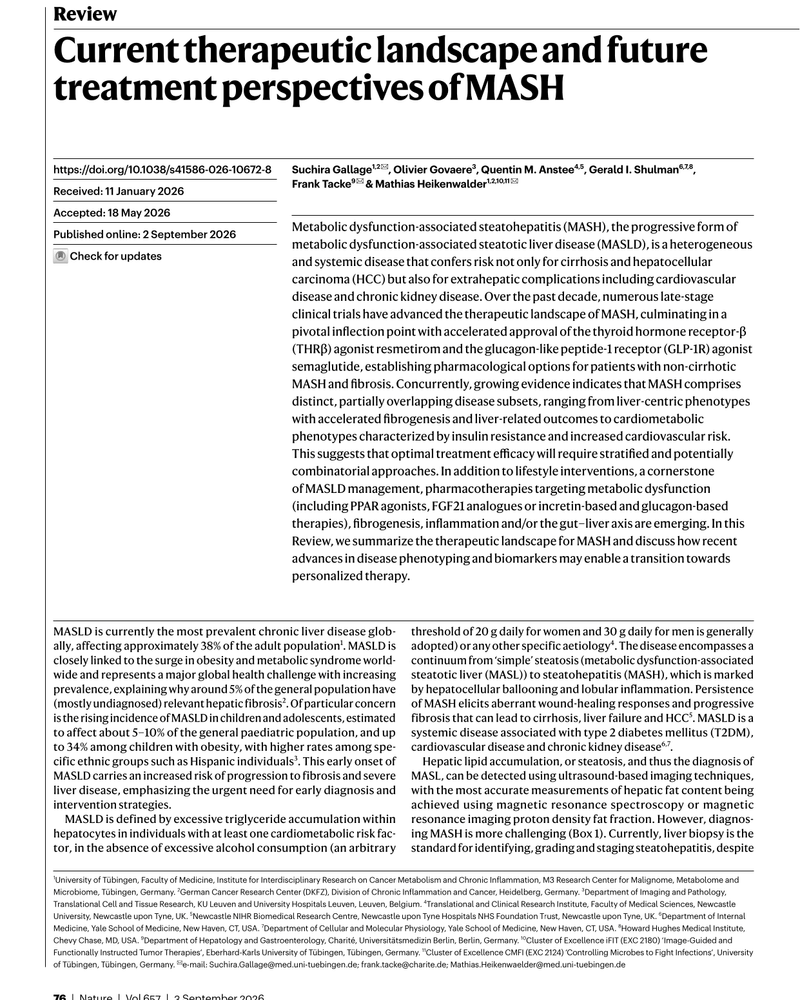
CURRENT THERAPEUTIC LANDSCAPE AND FUTURE TREATMENT PERSPECTIVES OF MASH
Same clinical topic · Hepatology
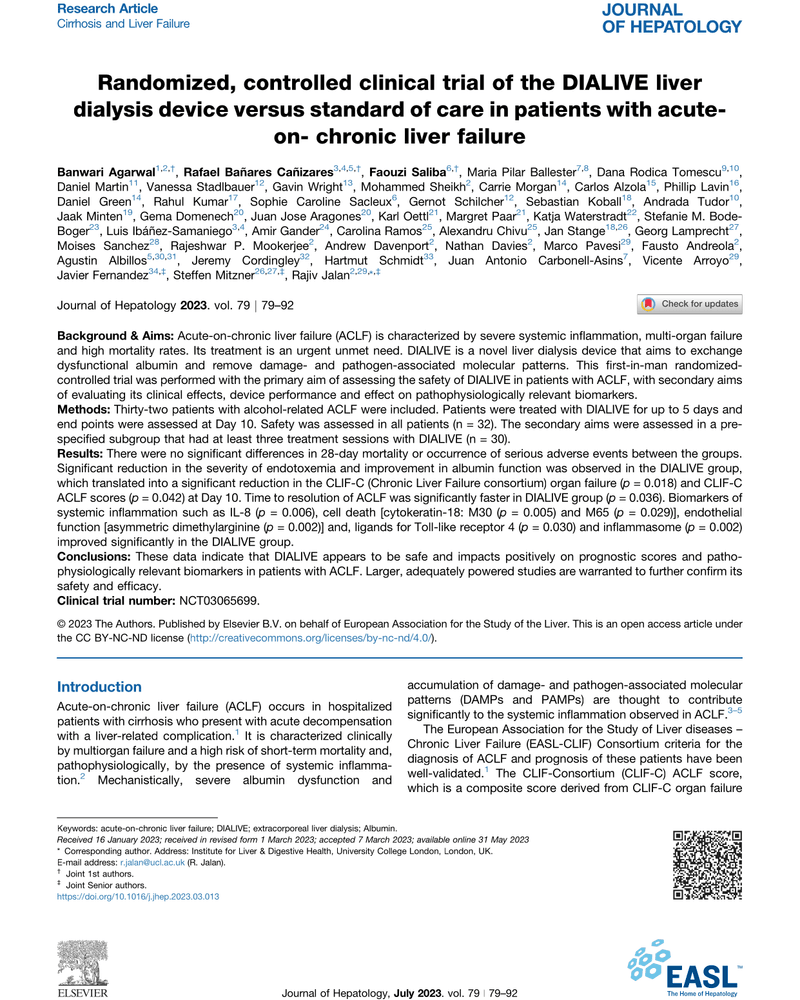
RANDOMIZED, CONTROLLED CLINICAL TRIAL OF THE DIALIVE LIVER DIALYSIS DEVICE VERSUS STANDARD OF CARE IN PATIENTS WITH ACUTE ON-CHRONIC LIVER FAILURE
Same clinical topic · Hepatology
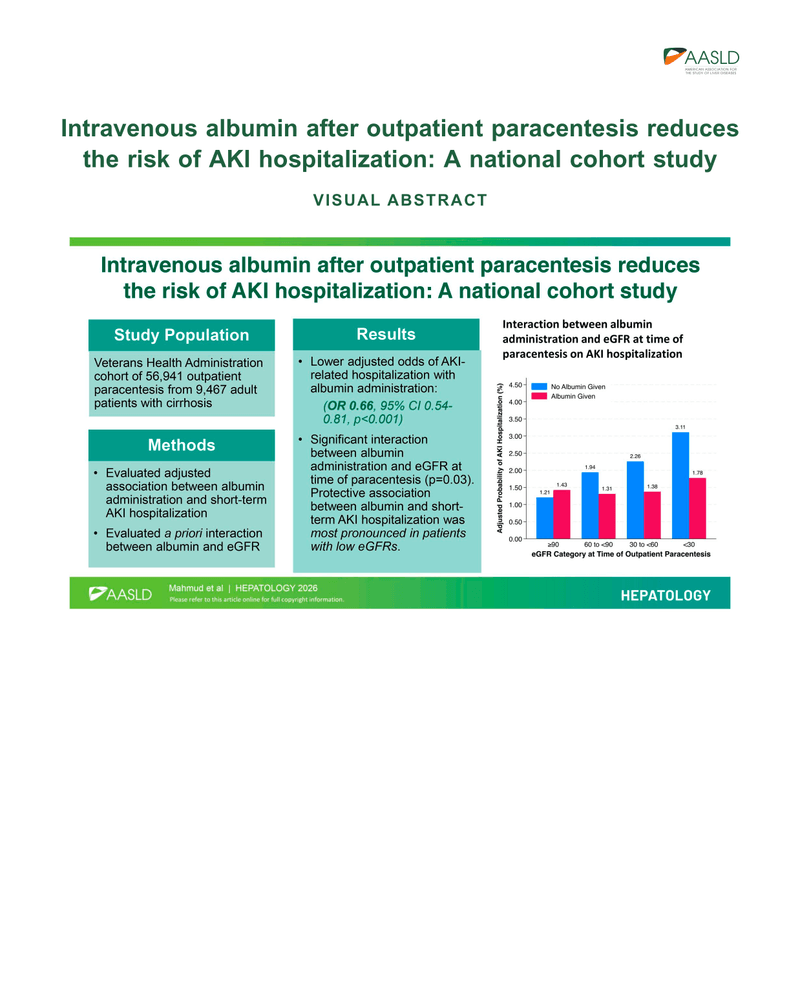
Intravenous albumin after outpatient paracentesis reduces the risk of AKI hospitalization: A national cohort study
Same clinical topic · Hepatology
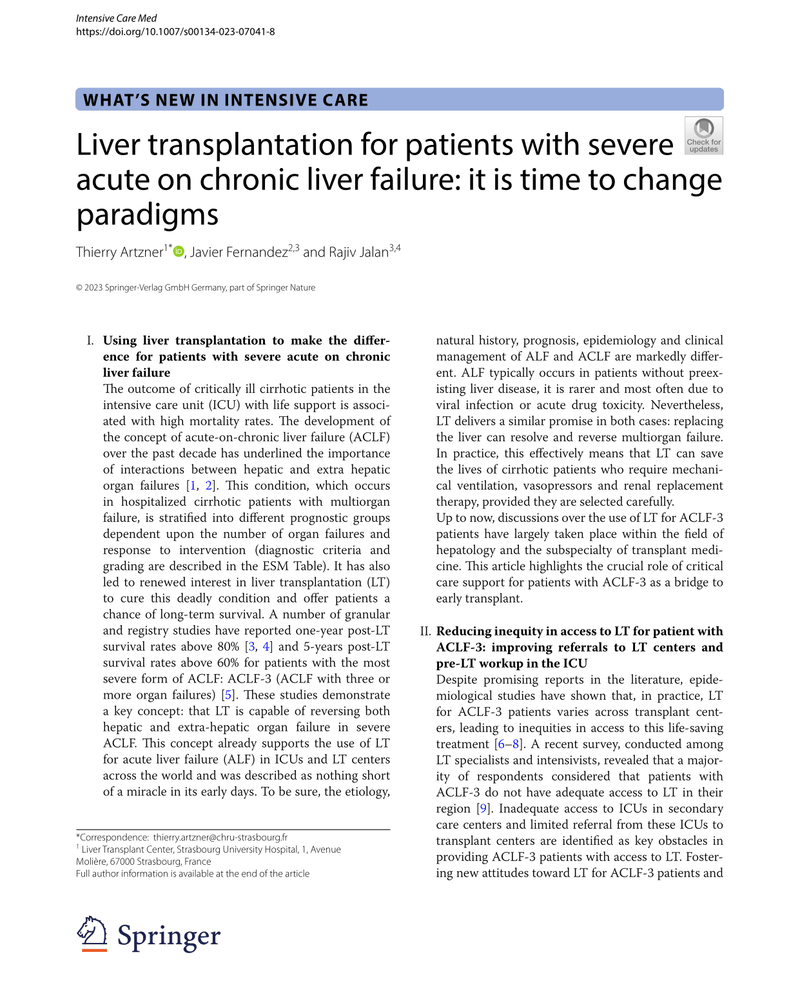
LIVER TRANSPLANTATION FOR PATIENTS WITH SEVERE ACUTE ON CHRONIC LIVER FAILURE: IT IS TIME TO CHANGE PARADIGMS
Same clinical topic · Hepatology
HEPATITIS B
Same clinical topic · Hepatology