Preparing your experience, please wait…


K

Guidelines & protocols
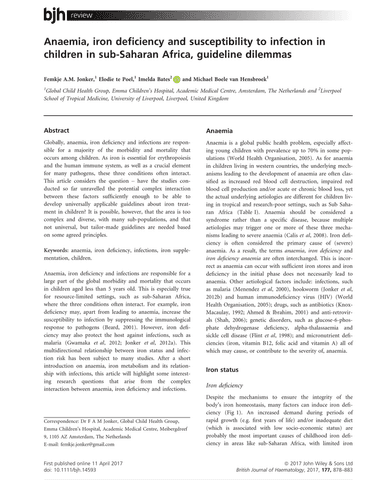
ANAEMIA, IRON DEFICIENCY AND SUSCEPTIBILITY TO INFECTION IN CHILDREN IN SUB-SAHARAN AFRICA, GUIDELINE DILEMMAS
Global Child Health Group, Emma Children's Hospital, Academic Medical Centre, Amsterdam, The Netherlands; Liverpool School of Tropical Medicine, University of Liverpool, Liverpool, United Kingdom
PDF6 pages215 KB
Anaemia, iron deficiency, and infections are significant contributors to morbidity and mortality among children under five, especially in resource-limited settings. The article examines the interplay between these conditions and the implications for treatment guidelines. It highlights the need for tailored approaches rather than one-size-fits-all recommendations, considering the diversity of sub-populations and the complexity of the interactions involved.
No account needed
Discuss clinical evidence & guidelines
Examine in Ask OslerAsk this resource
Answers from this document onlyIron and Infection: Siderophores Help Pathogens Capture Host Iron
“Besides being an essential element for human metabolism, iron is also an important nutrient for pathogenic microorganisms. Pathogens are able to sequester iron from the host, depending on the preferred iron source and whether the pathogen adopts a predominately intracellular or extracellular lifestyle (Cassat & Skaar, 2013). One of the mechanisms used by several bacteria and fungi is the secretion of iron-chelating siderophores. Siderophore receptors expressed on the membranes of pathogens pick up the siderophore-bound iron (Drakesmith & Prentice, 2012) and compete with the iron binding sites of the human host (Kumar & Choudhry, 2010).”
More like this
Resources from the same specialty and type. Curated links will replace these when added.
Clinical Resources
Documents that extend or complement this resource.
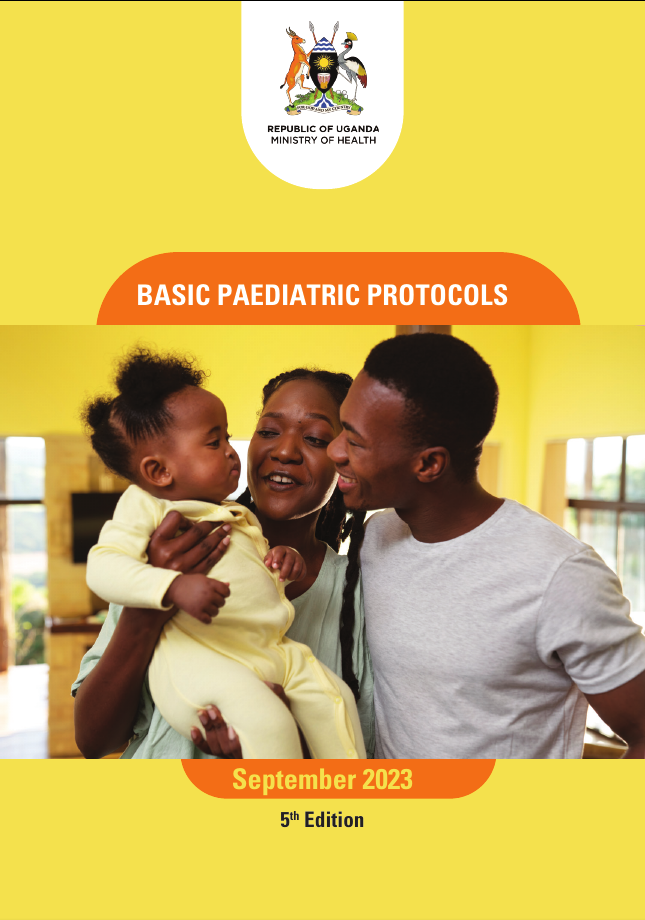
Uganda Ministry of Health Basic Paediatric Protocols 2023
Same clinical topic · Paediatrics & Child Health
NATIONAL GUIDELINES FOR INTEGRATED MANAGEMENT OF ACUTE MALNUTRITION – IMAM
Same clinical topic · Paediatrics & Child Health
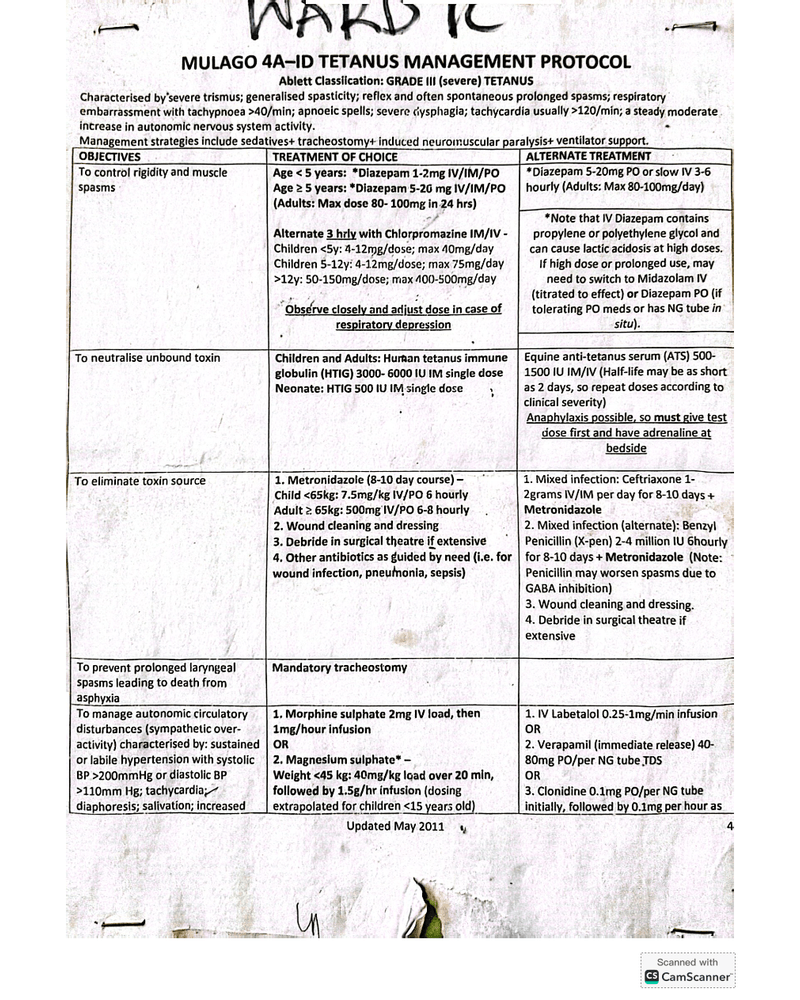
MULAGO 4A-ID TETANUS MANAGEMENT PROTOCOL
Same clinical topic · Paediatrics & Child Health
Birth Asphyxia PREWAVED Bundle
Same clinical topic · Paediatrics & Child Health
Pocketbook for Management of Diabetes in Childhood and Adolescence in Under-Resourced Countries
Same clinical topic · Paediatrics & Child Health
Basic Paediatric Protocols
Same clinical topic · Paediatrics & Child Health
Bedside Paediatric Guidelines 2022-2024 (1)
Same clinical topic · Paediatrics & Child Health
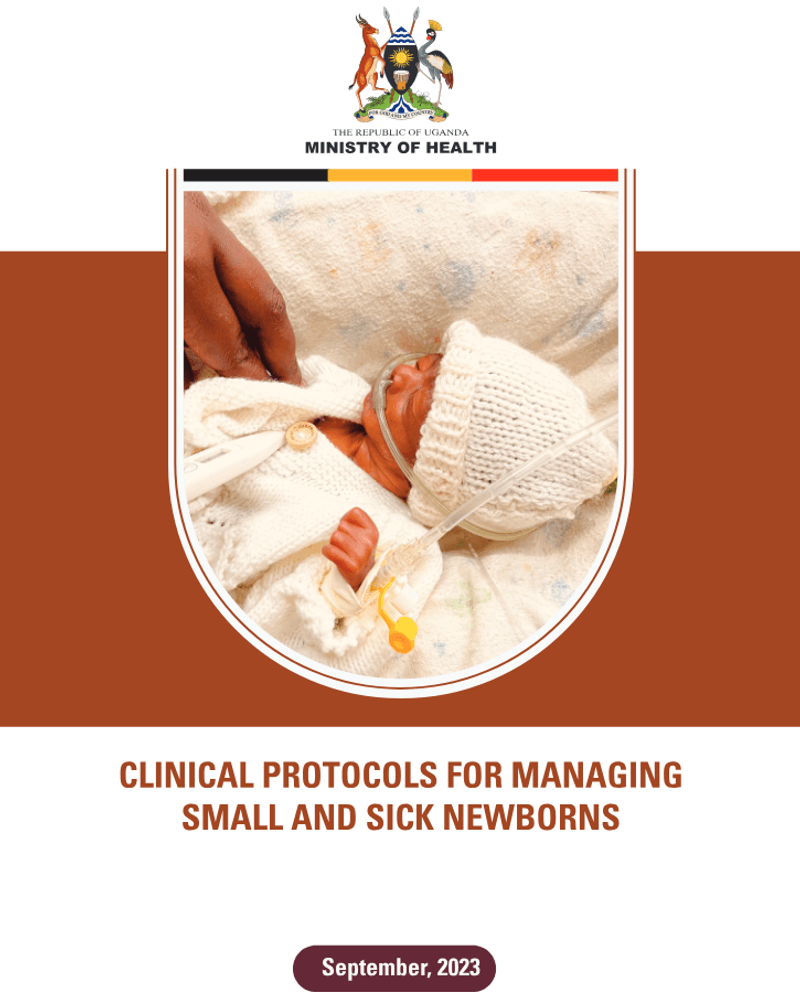
Clinical Protocols for Small and Sick Newborns
Same clinical topic · Paediatrics & Child Health
IAP TEXTBOOK OF PEDIATRIC ICU PROTOCOLS
Same clinical topic · Paediatrics & Child Health