Please wait while we open this resource.


K

Clinical reviews
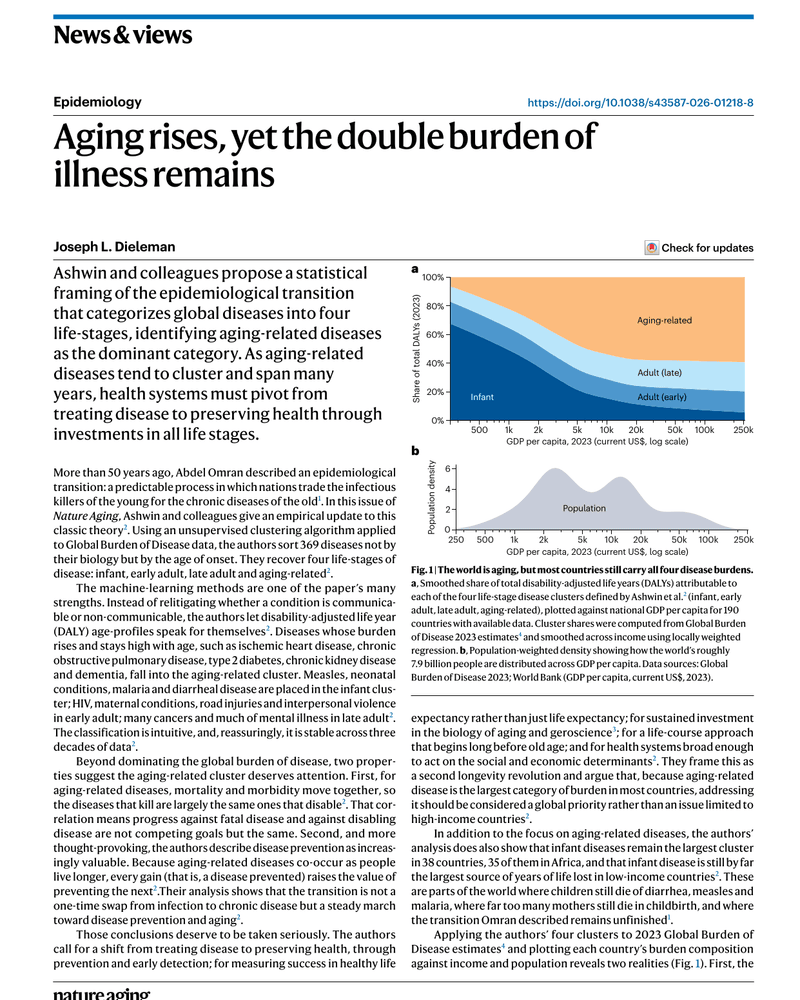
AGING RISES, YET THE DOUBLE BURDEN OF ILLNESS REMAINS
Institute for Health Metrics and Evaluation, University of Washington, Seattle, WA, USA
PDF20262 pages691 KB
The article highlights a statistical framing of the epidemiological transition, categorizing diseases by age of onset into four life-stages. It stresses that while aging-related diseases dominate the global burden, infant diseases remain significant in many low-income countries. The authors argue for a dual focus on both aging-related and infant diseases to ensure comprehensive health system preparedness. The analysis is grounded in Global Burden of Disease data and emphasizes the importance of life-course investments in health.
Sign in to open
Ask this resource
Answers use this document only.
Your first question is free.
More like this
Resources from the same specialty and type. Curated links will replace these when added.
Clinical Resources
Documents that extend or complement this resource.
NON -‐ COMMUNICABLE DISEASE RISK FACTOR BASELINE SURVEY UGANDA 2014 REPORT
Same clinical topic · Public Health
Update April 30 on Covid-19 Pandemic
Same clinical topic · Public Health
SEXUAL AND REPRODUCTIVE HEALTH AND RIGHTS
Same clinical topic · Public Health
ENSURE HEALTHY LIVES AND PROMOTE WELL-BEING FOR ALL AT ALL AGES
Same clinical topic · Public Health
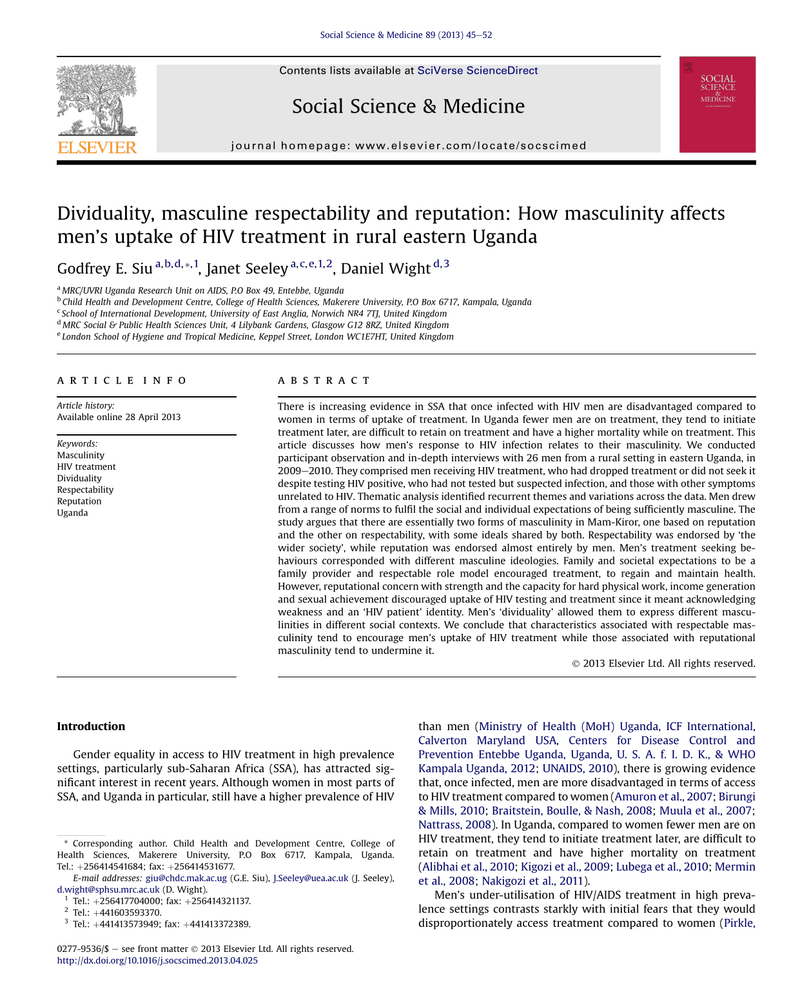
DIVIDUALITY, MASCULINE RESPECTABILITY AND REPUTATION: HOW MASCULINITY AFFECTS MEN’S UPTAKE OF HIV TREATMENT IN RURAL EASTERN UGANDA
Same clinical topic · Public Health
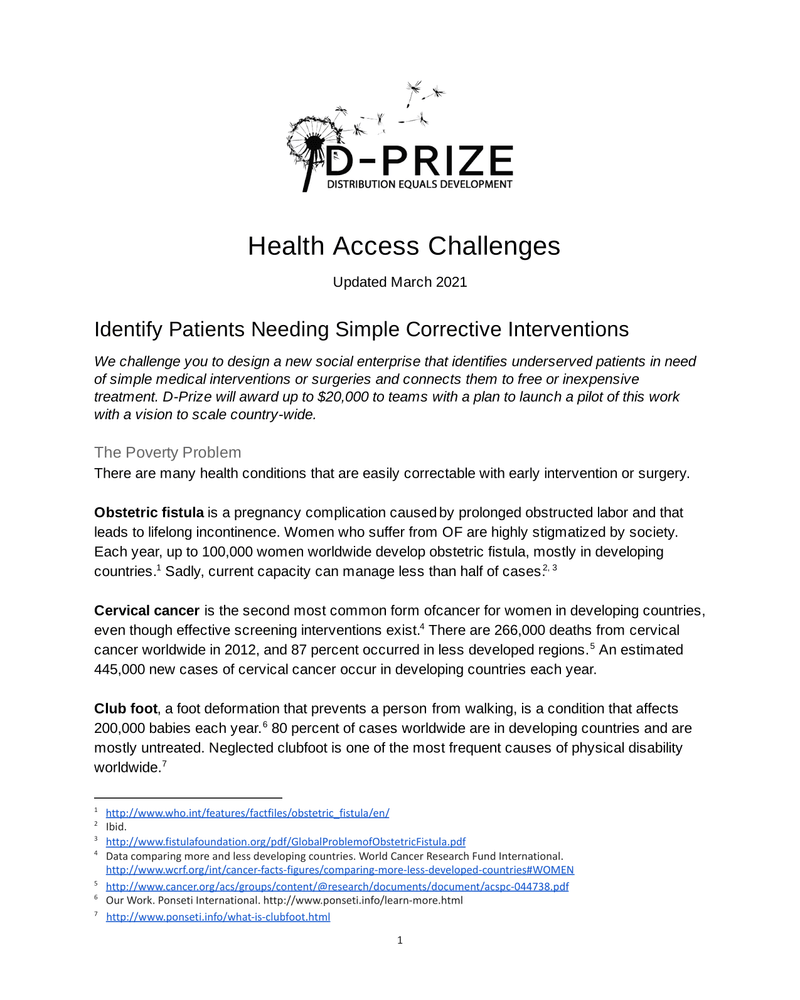
health accessibility challeneg
Same clinical topic · Public Health
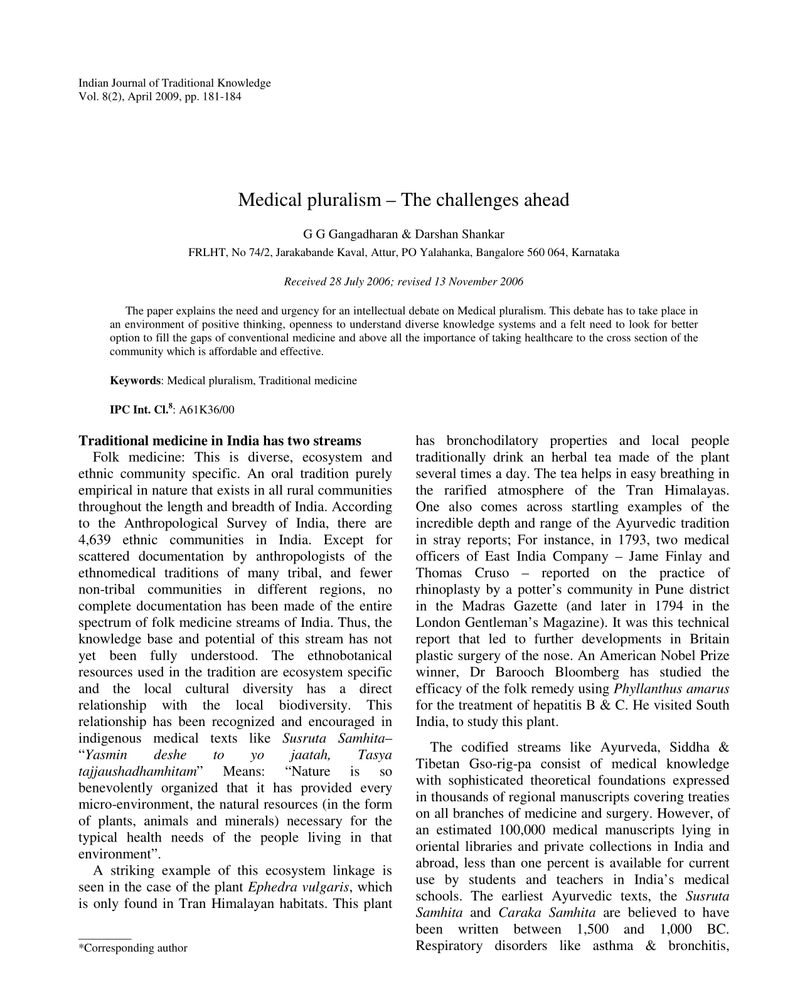
MEDICAL PLURALISM – THE CHALLENGES AHEAD
Same clinical topic · Public Health
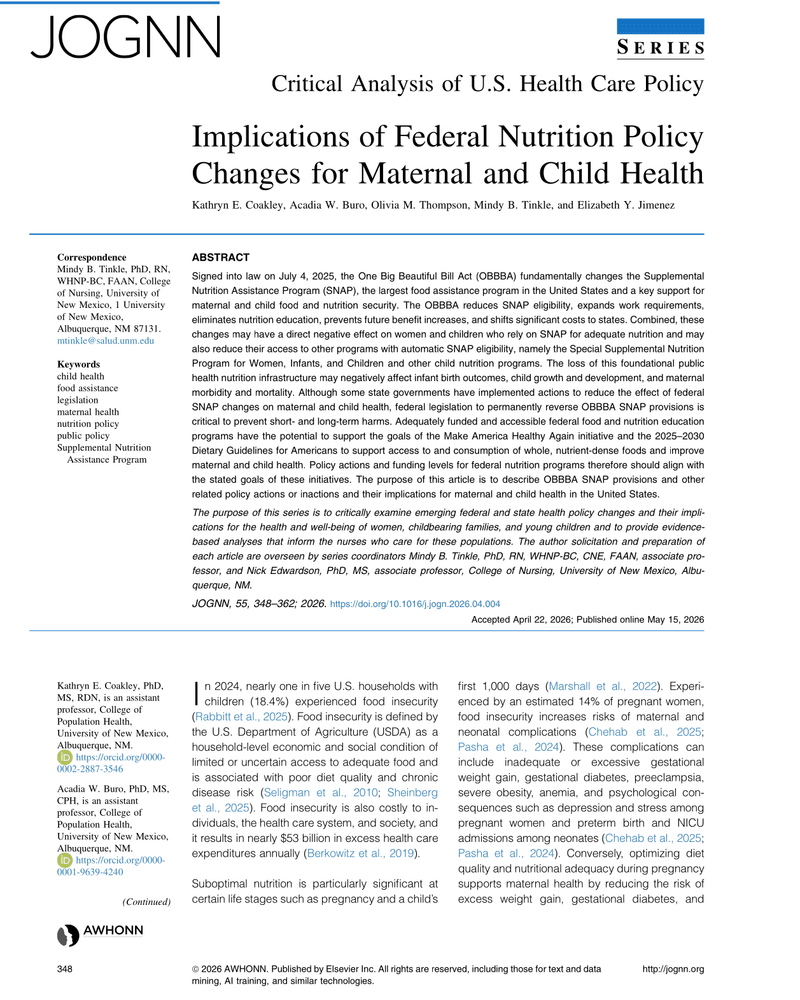
THE SUPPLEMENTAL NUTRITION ASSISTANCE PROGRAM
Same clinical topic · Public Health
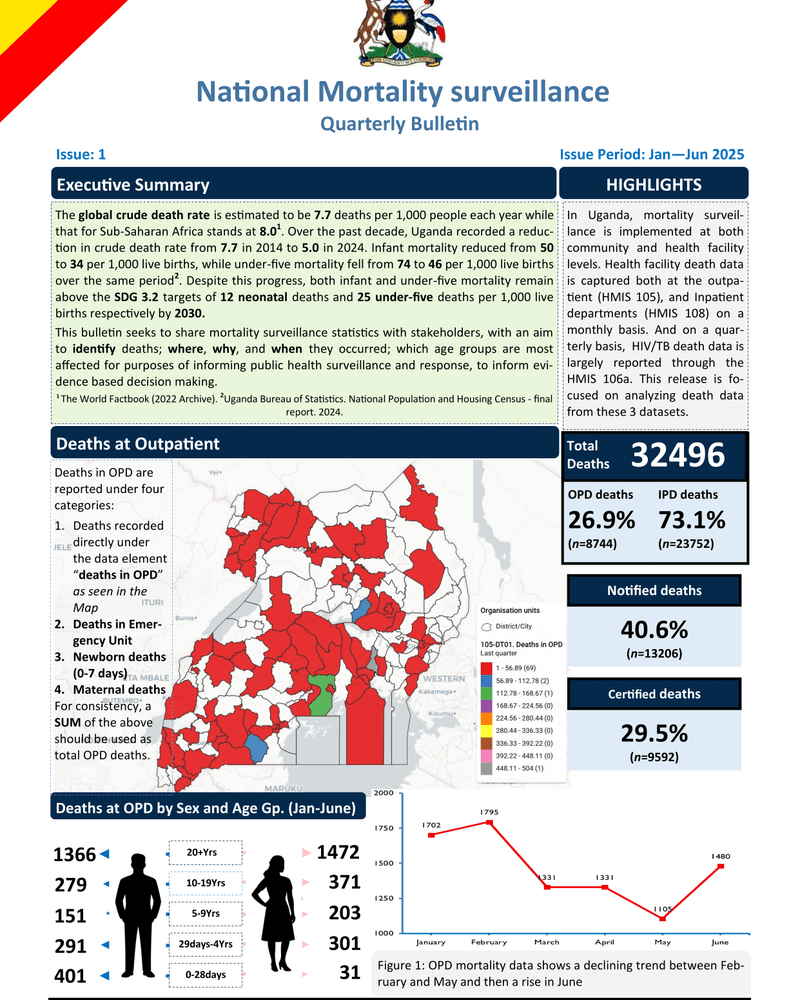
NATIONAL MORTALITY SURVEILLANCE BULLETIN APRIL-JUNE 2025
Same clinical topic · Public Health